






Internal shading & window furnishings
Why building climate control should be taken much more seriously
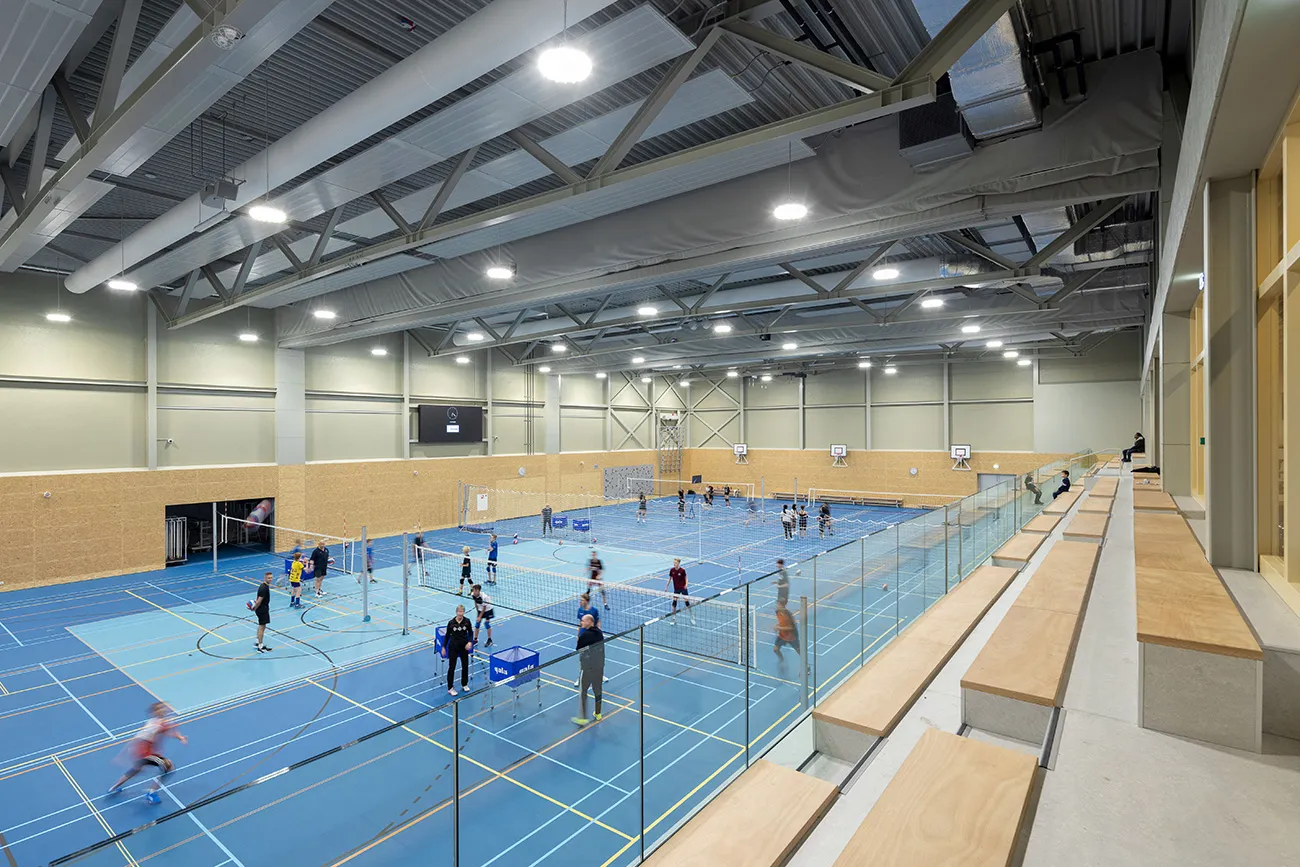
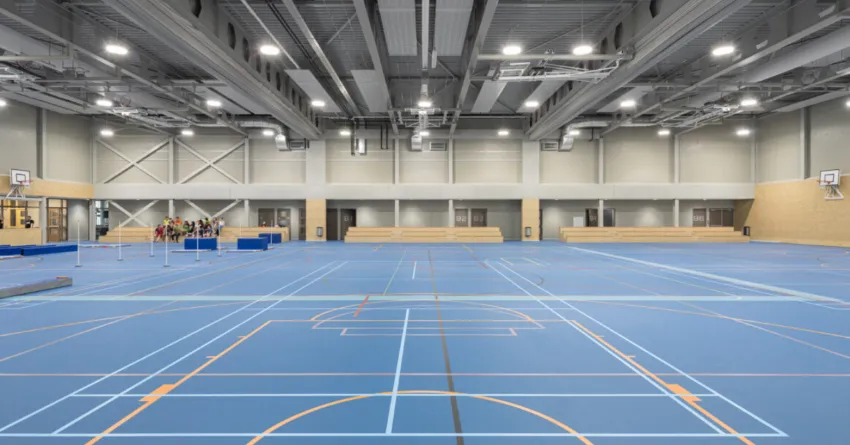
For new or renovated houses or buildings such as sports halls, swimming pools and schools, it is mandatory to do an energy performance calculation. In other words, what is the energetic value of a building and what energy label fits it? That calculation is made on the basis of BENG criteria: Nearly Energy Neutral Building. But Jaco Mooijaart, head of the Electrical & Mechanical Engineering department at Iv-Bouw, believes that this mandatory calculation takes too few factors into account, creating a paper reality and ensuring that some of the climate goals are achieved in theory.
BENG criteria
Calculations based on these BENG criteria have been mandatory fare in permit applications since January 1, 2021. As a specialist in non-residential construction, Iv-Bouw is often involved in such calculations for schools, public swimming pools and multifunctional sports halls, for example. Until 2021, calculations were done on the basis of a so-called Energy Performance Coefficient (EPC). The new BENG criteria are assessed in three parts: the annual energy requirement (number of kilowatt hours per year), the fossil energy consumption (heating, cooling, ventilation, etc.) and the percentage of renewable energy.
Paper reality
Iv-Bouw must legally apply these calculations, but sees them as too easy a representation of reality. Example: from the BENG criteria, annual averages are taken from a building, without taking sufficient account of peak capacity, type of use or, for example, efficiency losses due to air-conditioning with ventilation air. Ventilation takes up much more space and has more transport losses than a water-based air-conditioning system. This is hardly reflected in the EP calculations to customers. A cheaper air-conditioning with an air handling system is then often preferred, even though it costs substantially more energy than the figures suggest and is therefore more expensive to operate.
"In schools and sports halls, you see that an all-air system is now often chosen, where air is used purely for air conditioning. Whereas ventilation is basically meant to keep people in a building from being exposed to too high levels of CO2," Jaco Mooijaart explains. "But these kinds of spaces are in fairly constant use. In our view, you can then climateize with water just fine. Energetically you then do much better. In purchase it is a bit more expensive, because you need more systems, but in the end it pays off."
The fact that this is nowhere evident in calculations accompanying a permit application worries Jaco somewhat, because major choices are made based on incomplete information. "This ensures that theoretically (almost) energy-neutral buildings are put up that in reality may not be. I think it is our job as consultants to remain very critical of this. It is good that there is a national standard for a permit application, but it must tell the whole story. Moreover, these kinds of criteria were created to prevent energy-guzzling properties from being built. That is kind of overshooting the mark on this front right now."
Customization per building
As for Iv-Bouw, this uniformity in calculations also lacks customization. An average consumption is assumed for an average building. But every building is different. "This model can also be applied to a swimming pool: also a building with a sports function, but I don't think I have to explain to anyone that, if you have to heat a swimming pool, it is almost a utopia to be able to do that energy neutrally. A swimming pool simply consumes much more than a regular sports hall and yet the same calculation results roll out of an EP calculation. Something has to be done about that and that starts with raising the issue. Our market is definitely riding on this, but it doesn't cover it."
For the time being, these BENG criteria still apply. Iv-Bouw can draw on years of experience and highly specialized knowledge in the field of non-residential construction and advice on issues relating to (sustainable) installations. This enables Iv-Bouw to take a critical, well-founded stance when school boards or municipalities come up with plans for new buildings or renovations. Jaco: "There really is a world to be won in this area, also when it comes to raising awareness among clients. It's just a shame that we can't show it from these criteria, but they can trust our expertise."
Question about this story? Ask your question
Keep following this
Get an email when a new story is published. No account needed.
- SubjectInternal shading & window furnishings