zenronline.eu
EN

Platform on sun and daylight control, shutters, patio covers and closures
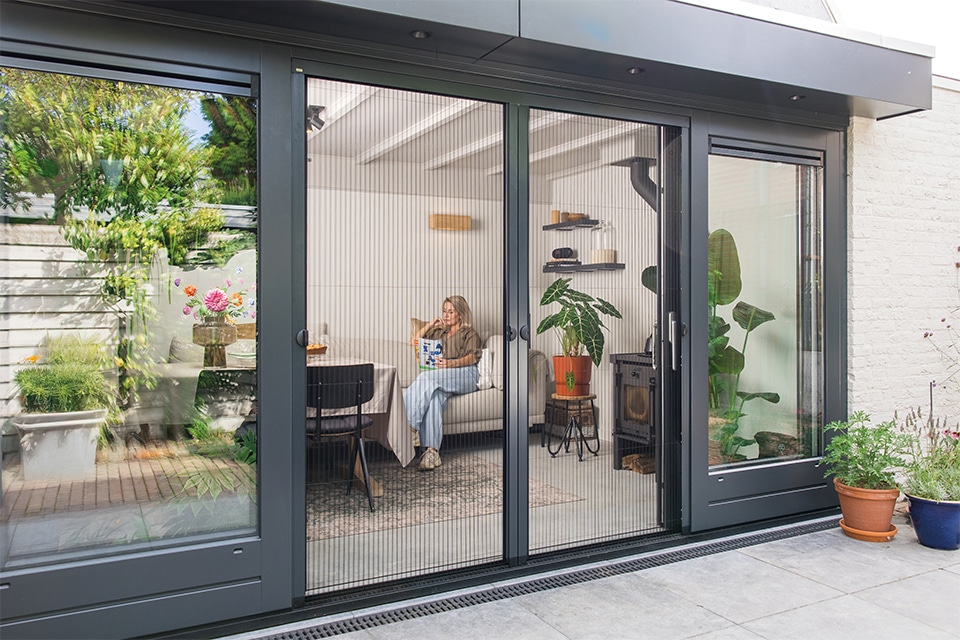
Any professional retailer who interacts with consumers on a daily basis knows that the demand for insect screens has not become any simpler in recent years. Windows and doors are getting larger, frame designs are becoming more varied, and end users expect an insect screen not only to function properly but also to blend seamlessly with the home’s aesthetic. For specialty retailers, this means one thing above all else: standard solutions are no longer always sufficient. But what is the solution, then?
At Unilux, a manufacturer of insect screens based in Boxtel, this trend is clearly evident. The company is seeing growth primarily in custom solutions for wider openings and non-standard situations. A good example is the Plisséfit, the pleated screen door that has been a trusted and successful product in the lineup for years. The version up to 200 cm wide has proven successful in practice, precisely because wider doorways are becoming increasingly common in homes.
“Consumers want to ventilate without being bothered by insects, but they don’t want to compromise on aesthetics or ease of use,” says Judith van Erp, head of marketing and communications at Unilux. “For specialty retailers, it is therefore important that solutions are available that are technically reliable and fit beautifully into or onto the window frame.”
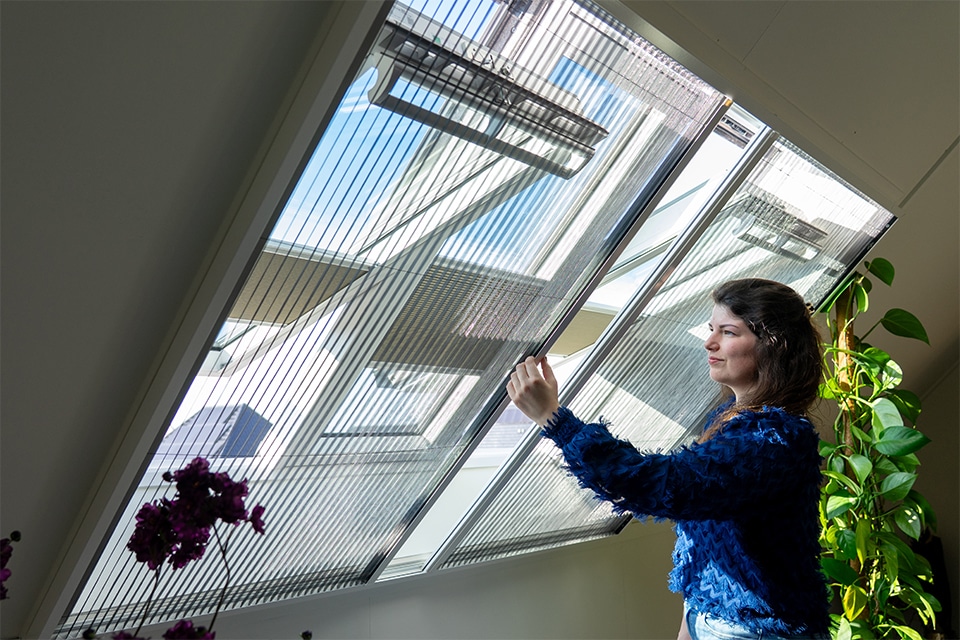
Window width also plays a more significant role. According to Unilux, the Pleated Window Attachment Unit (VZU) can be adapted for wider applications up to 240 cm. This provides a solution for situations where standard systems—such as those for skylights or non-standard window openings—are insufficient. “This is relevant for dealers who regularly encounter limitations when working with customers. Skylights, in particular, present practical challenges: not every supplier has a suitable horizontal solution available for every size or opening. We do.”
The technical advantage isn’t just in the dimensions. The VZU uses pleated mesh, is easy to operate, and is installed in the window recess. The black mesh reduces glare and keeps the view to the outside as unobstructed as possible. The frame is removable for installation and maintenance, which is convenient in everyday use for both the installer and the end user.
In addition to custom sizing, demand for color matching is also growing. Window frames are increasingly being finished in specific shades, textured paints, or dark colors. “We’re responding to this trend by offering a wide range of RAL colors from stock. For specialty retailers, this is no minor matter. A window frame that fits technically but differs in color quickly feels like a compromise to the consumer. And that’s exactly the compromise we want to avoid.”
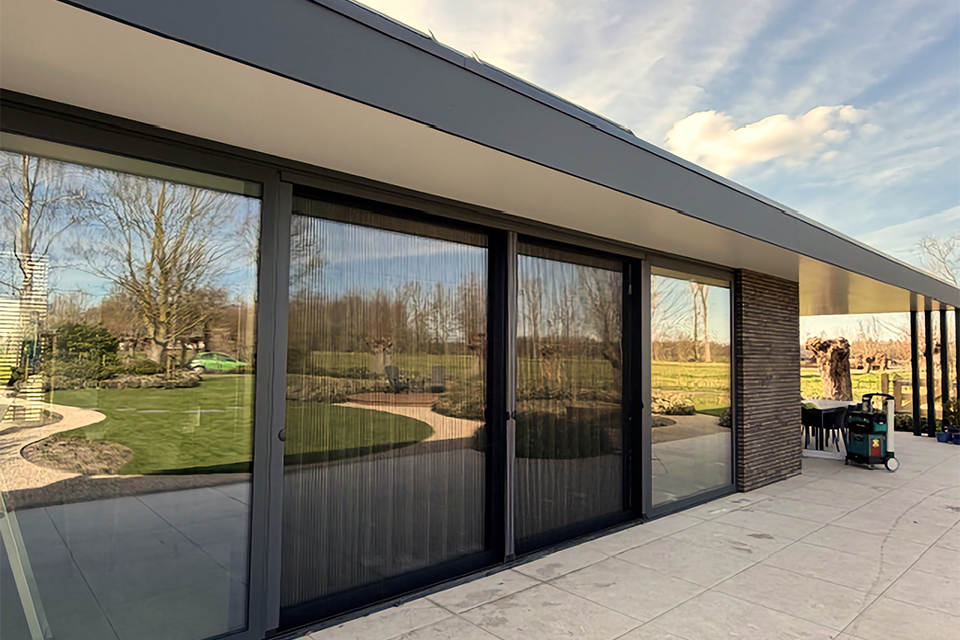
Judith concludes: “As a result, insect screens are increasingly shifting from being a seasonal product to a full-fledged part of the finishing touches for windows and doors. Yes, they’ve become an essential part of the interior, where they need to fit in or complement the space. This presents an opportunity for dealers: those who thoughtfully consider size, installation, color, and ease of use aren’t just selling a screen—they’re selling a solution that’s the right fit for the home. And, not unimportantly, the insects stay outside.”