zenronline.eu
EN

Platform on sun and daylight control, shutters, patio covers and closures

Service is an important part of Brel's positioning. Its interpretation changes along with the practice in which installers and dealers work. Where support used to go mainly through the service desk, information is now readily available during assembly and commissioning. “With this we think along with our customers, because many questions arise during installation,” says Timo Burlet. “Especially then you need to be able to proceed immediately.”
That shift takes shape in the way information is provided. In addition to the service desk and telephone support, Brel makes product-specific documentation and instructions available for immediate reference.
Since early 2025, a series of installation videos has been added, focusing on operations such as setting motors and connecting components. The topics align with questions that come in regularly. “A lot of the questions we get are about the same steps,” Burlet says. “By making those visual, customers can get on with that themselves.” Access to that information is linked to the product. A QR code on the packaging takes the user directly to the correct instruction. “You no longer have to search within general documentation, but get straight to where you need to be.”
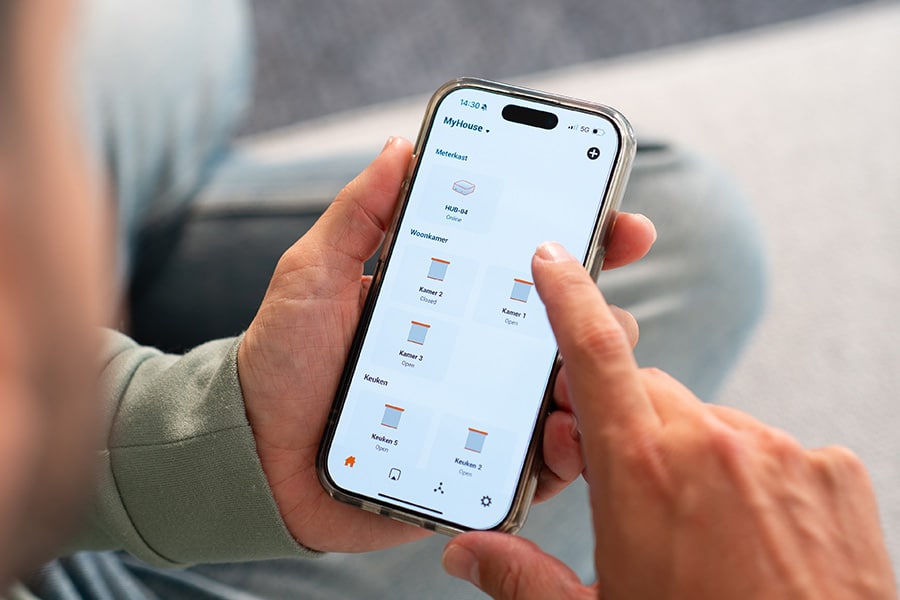
The nature of the questions is changing along with the systems in which engines are used. Whereas previously it was about individual products, the emphasis is now more often on the connection between components, settings and links. Within Brel's ecosystem, the app plays a central role in this. Motors are linked and set up via a hub, after which functions such as scenarios and group control are available. “The questions are less and less about a product and more about how everything works together,” Burlet says. Integrations with platforms such as Apple Home bring new variables with them. “These developments are rapid and constantly changing.”
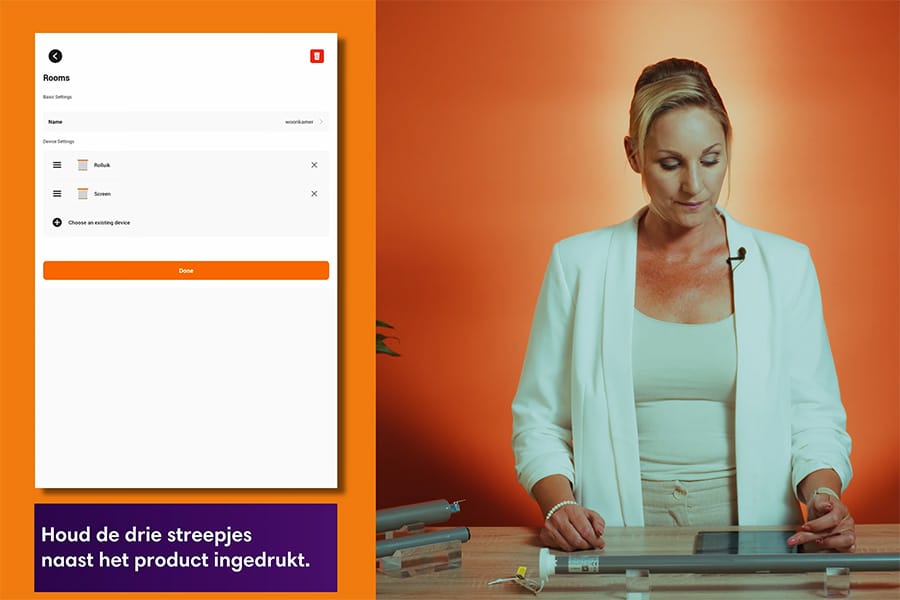
These dynamics require constant updating of the available information. Input from the service desk is the starting point. Recurring questions are translated into targeted additions in videos and documentation. “What we see more frequently, we immediately incorporate into new content,” Burlet emphasizes. A chatbot captures standard questions, allowing the service desk to focus on situations that require further explanation.
The way support is offered is consistent with the work process of installers. Information is consulted while work is being done, rather than after the fact. “If someone can get on without having to call, it saves time. We try to match how customers work, rather than the other way around.”