zenronline.eu
EN

Platform on sun and daylight control, shutters, patio covers and closures

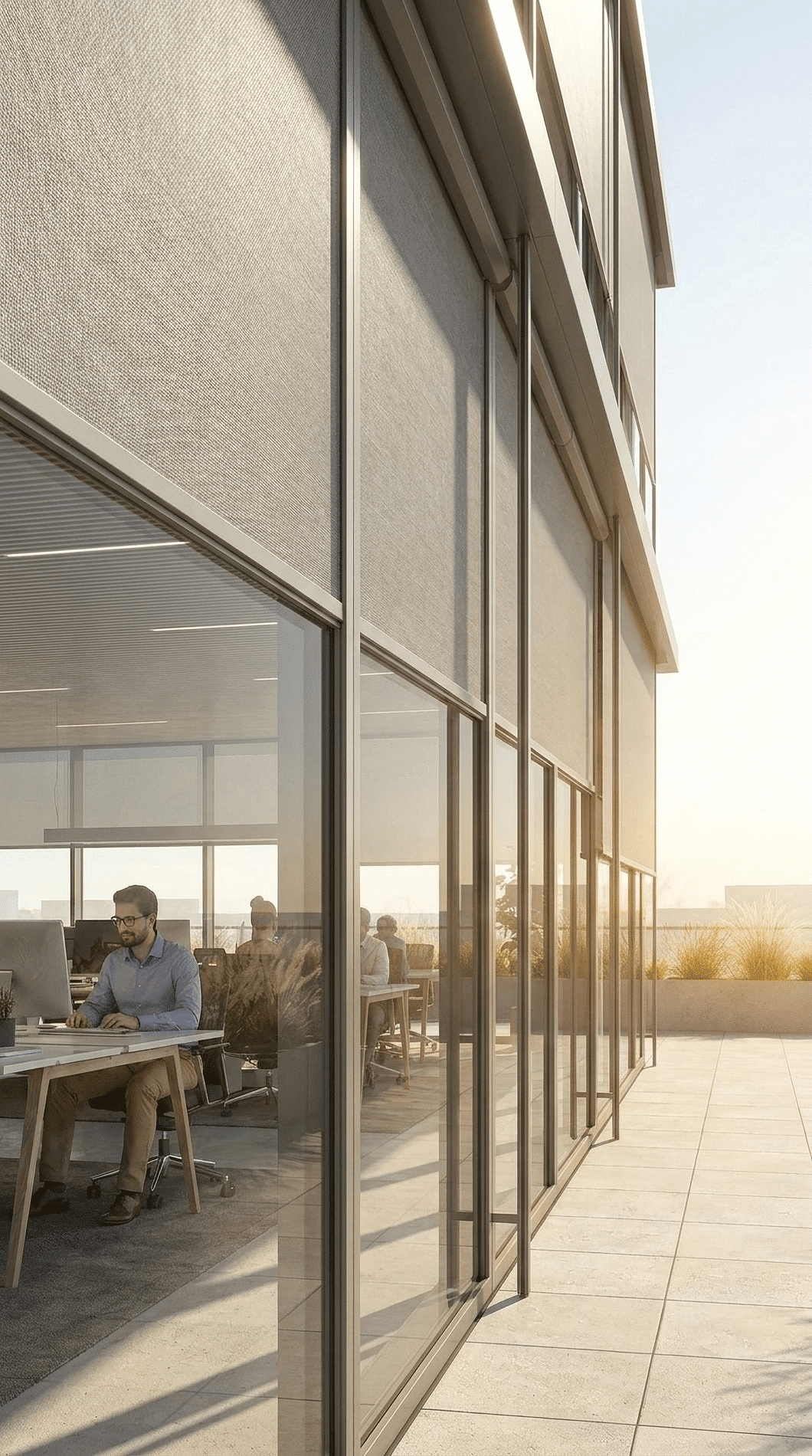
In spring, the demand for blinds and screens shifts to applications where performance is key. Sun reduction, light transmission and ventilation behavior together determine the effect on the indoor climate. This is not just about limiting radiation, but about controlling heat build-up without disturbing visibility and air exchange. This requires systems and fabrics in which these properties are balanced.
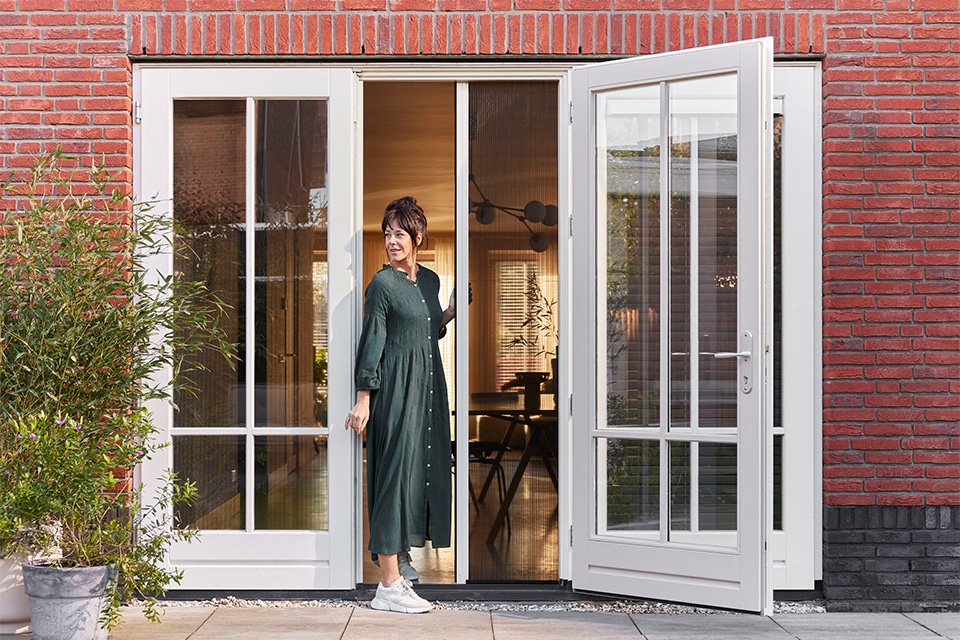
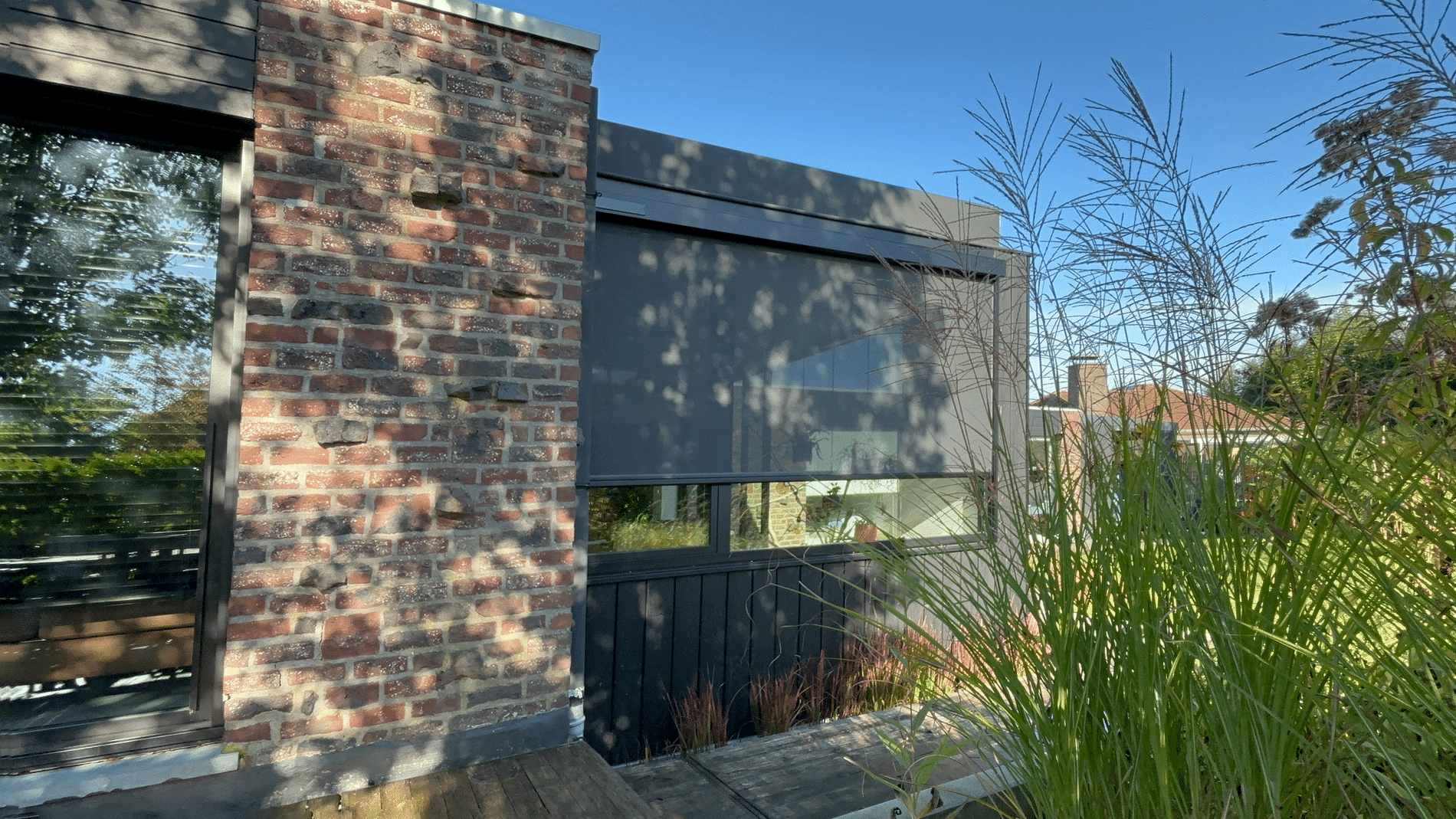
Within sun protection, the emphasis is increasingly on systems that combine technical performance with restrained design. Screens are not only used to limit solar radiation, but also play a role in the indoor climate and facade appearance of a home. This requires solutions that function reliably under a variety of conditions and match the design.
With the Beaufort 105, Luxaflex introduces a screen with a more compact case design, intended for situations where that combination of requirements comes together. Developed for applications from new construction to renovation, the system is aimed at projects where wind resistance and a slim appearance must go together without compromising on technical performance. “We see that projects are increasingly demanding both appearance and performance,” says Richelle den Hartog, interior designer at Luxaflex Nederland. “With this design, we are trying to bring the two together.”
The method of installation also weighs more heavily, especially in existing buildings. Solutions that rely less on cabling offer practical advantages there and increase the applicability of solar shading in situations where installation space is limited. The Beaufort 105 is therefore also available with a solar drive, where the system operates without a fixed power supply and the battery is charged via daylight. “You are less dependent on a power point and that makes the product easier to apply in many situations,” says Den Hartog. “You notice that especially with existing construction.”
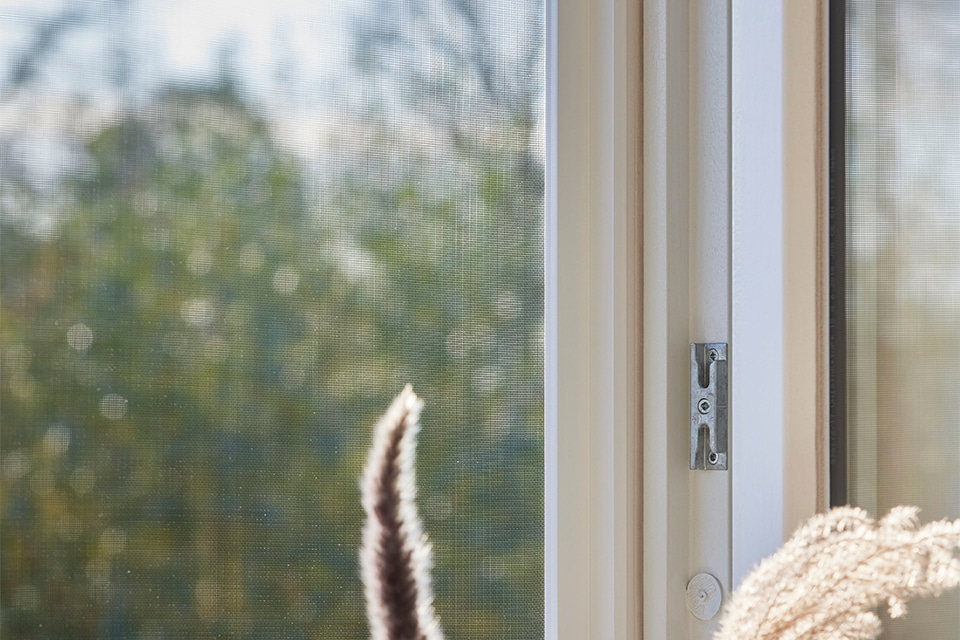
In addition to sun protection, the demand for mosquito nets remains as high as ever. The need for natural ventilation, combined with protection against insects, ensures that this product group has a permanent place in the assortment of specialist retailers. Attention is increasingly shifting to applications for larger openings, such as sliding doors and garden rooms.
Within that segment, systems have been developed that allow for wider widths without compromising stability and ease of operation. Plissé screen doors are now available up to 200 centimeters wide and can be linked up to 400 centimeters, allowing even wide passages to remain functional and accessible. At the same time, ease of use plays an important role, for example through low bottom guides suitable for intensive use.
“Especially with wide openings, we see that consumers want to combine comfort and ease of use,” says Den Hartog. “The solution must function well, but also fit within the daily use of the room.” For specialist retailers, the challenge lies in translating these wishes into concrete applications. Products that can be used in different situations help the trade to make an appropriate choice for each project.