zenronline.eu
EN

Platform on sun and daylight control, shutters, patio covers and closures
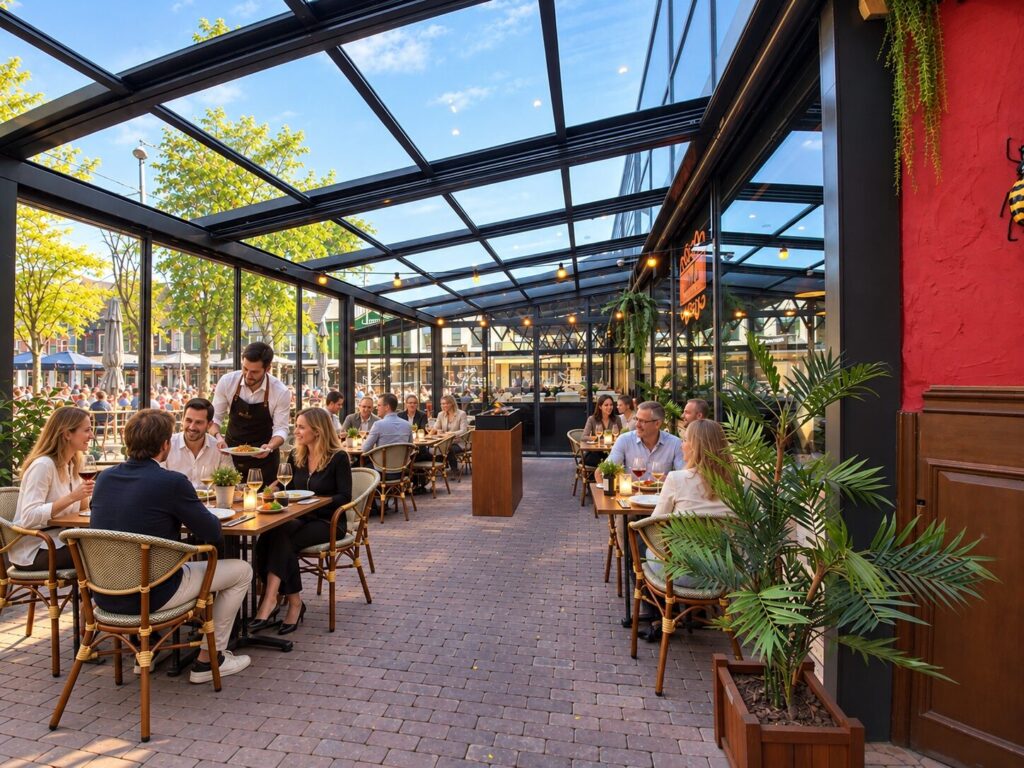
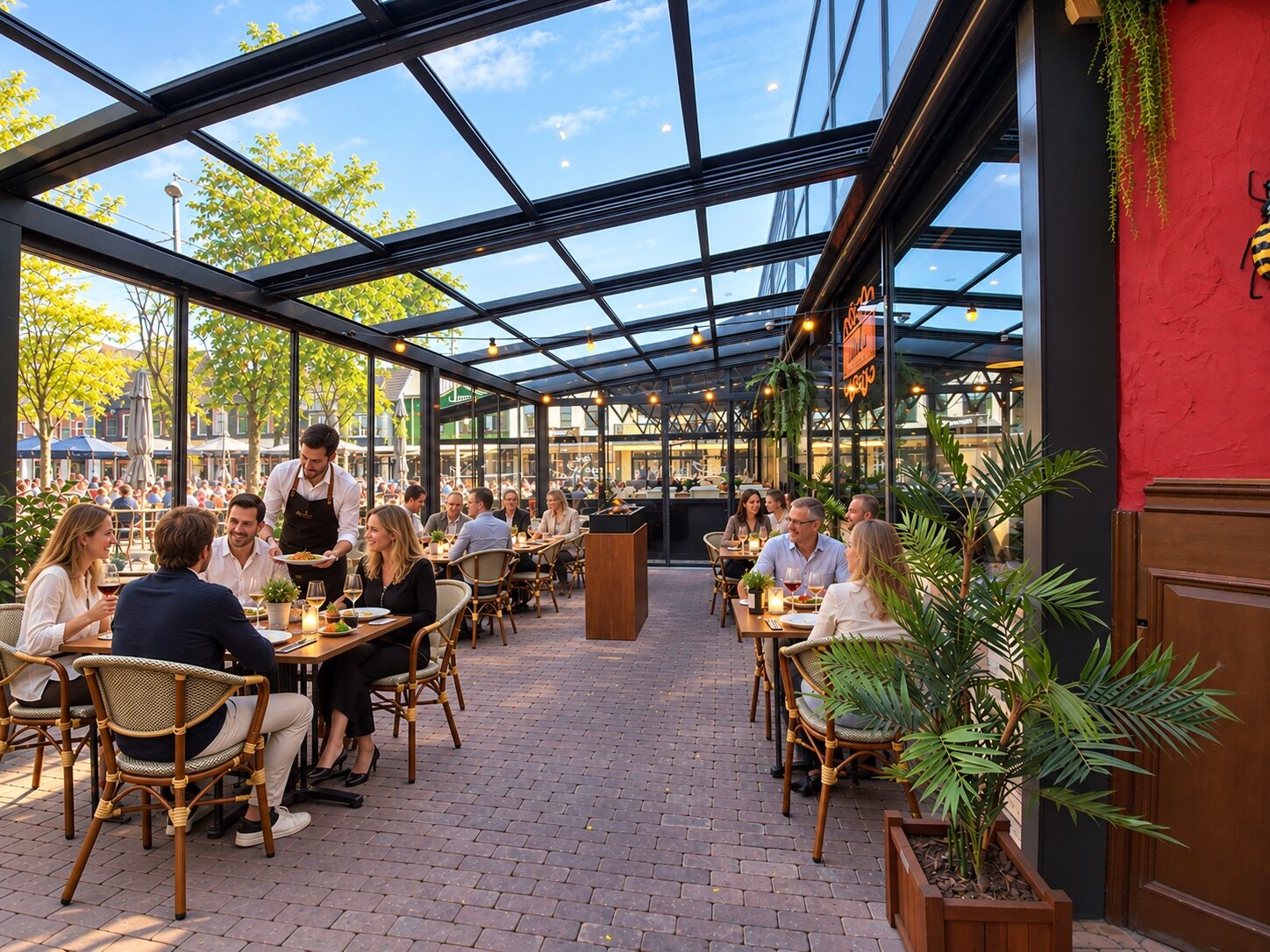
Summer is coming to an end. The days are getting shorter, and it’s raining more often. But that doesn’t mean the patio season is over. Mike de Groot, owner of Ittalum, sees just how important flexibility is for the hospitality industry, especially during this time of year. With a retractable roof, guests can stay outside even when the weather takes a turn.
The hospitality industry is already an important market for Ittalum. De Groot therefore wants to highlight the benefits of the retractable roof even more strongly within this sector. Because, according to him, installing a roof over a patio is only part of the story. It’s precisely the ability to open that roof again that makes all the difference. "If you have a patio with a fixed roof, people sometimes want to sit right in front of that canopy when the weather is nice, because they want to be in the sun," he says. "With our roof, that’s not necessary. You just slide it open."
That’s not just useful in the fall. When the first spring sunshine appears in April, the roof can be opened while the glass walls remain closed. On a hot summer day, the heat can escape through the open roof. If the weather changes, sensors help automatically close the roof when it rains. "Guests can simply stay seated in the same spot."
De Groot sees this as a major advantage for business owners. Anyone with guests seated on an uncovered patio must be prepared to move them indoors if rain threatens. "You don’t want to have to reserve seats inside just in case it rains. Rain or shine, you want to be able to keep using that same patio space." A canopy with a sliding roof therefore makes the patio less dependent on the weather. Ittalum installs these systems not only in restaurants, but also in hotels and company cafeterias.
One of the hospitality projects is Union House in Utrecht, located in the former Tivoli complex. There, Ittalum—in collaboration with Ittalum specialist Vitrona and Vocus Architects—created a canopy that was fully tailored to the location. According to De Groot, this approach is characteristic of the projects the company undertakes in the hospitality industry.
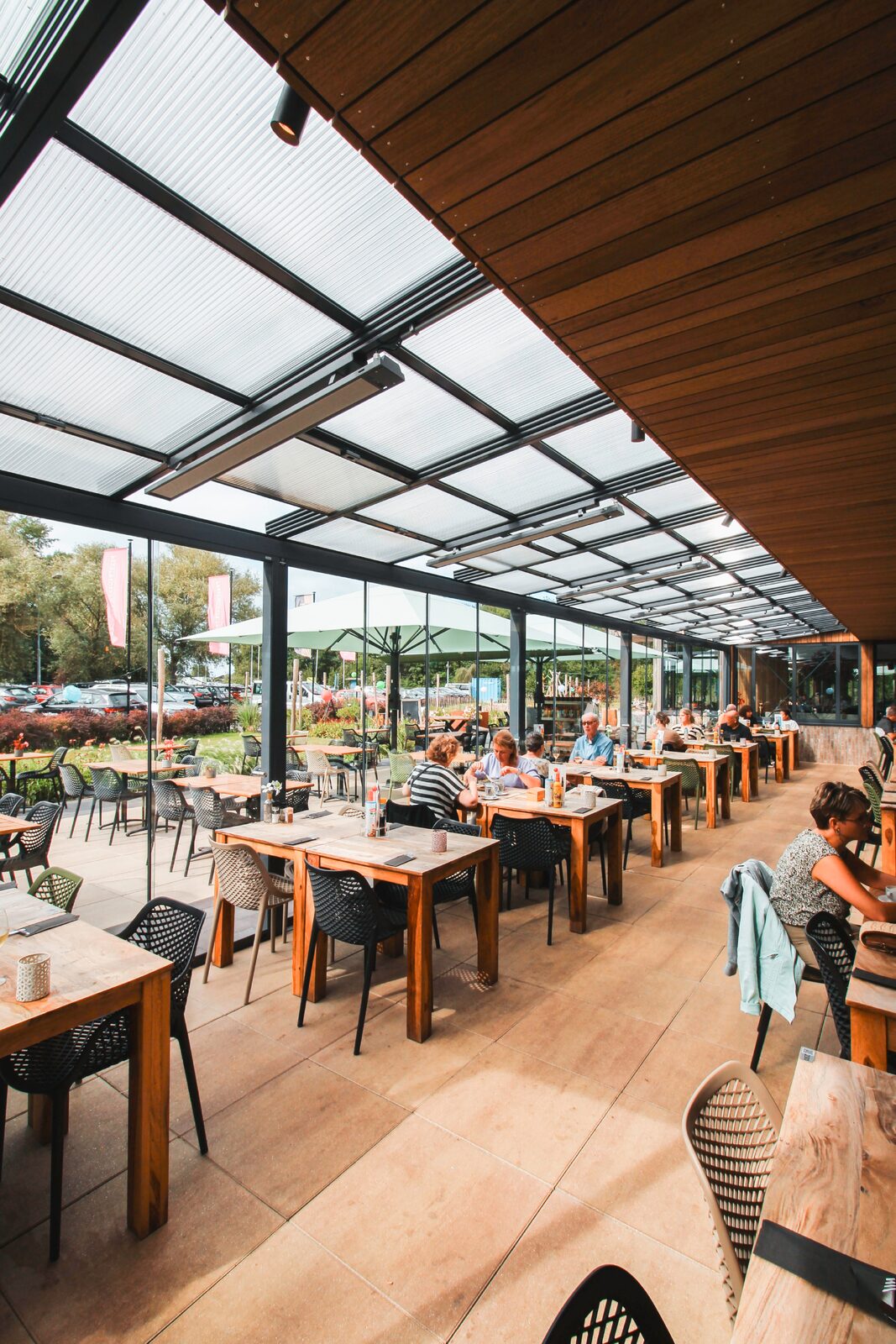
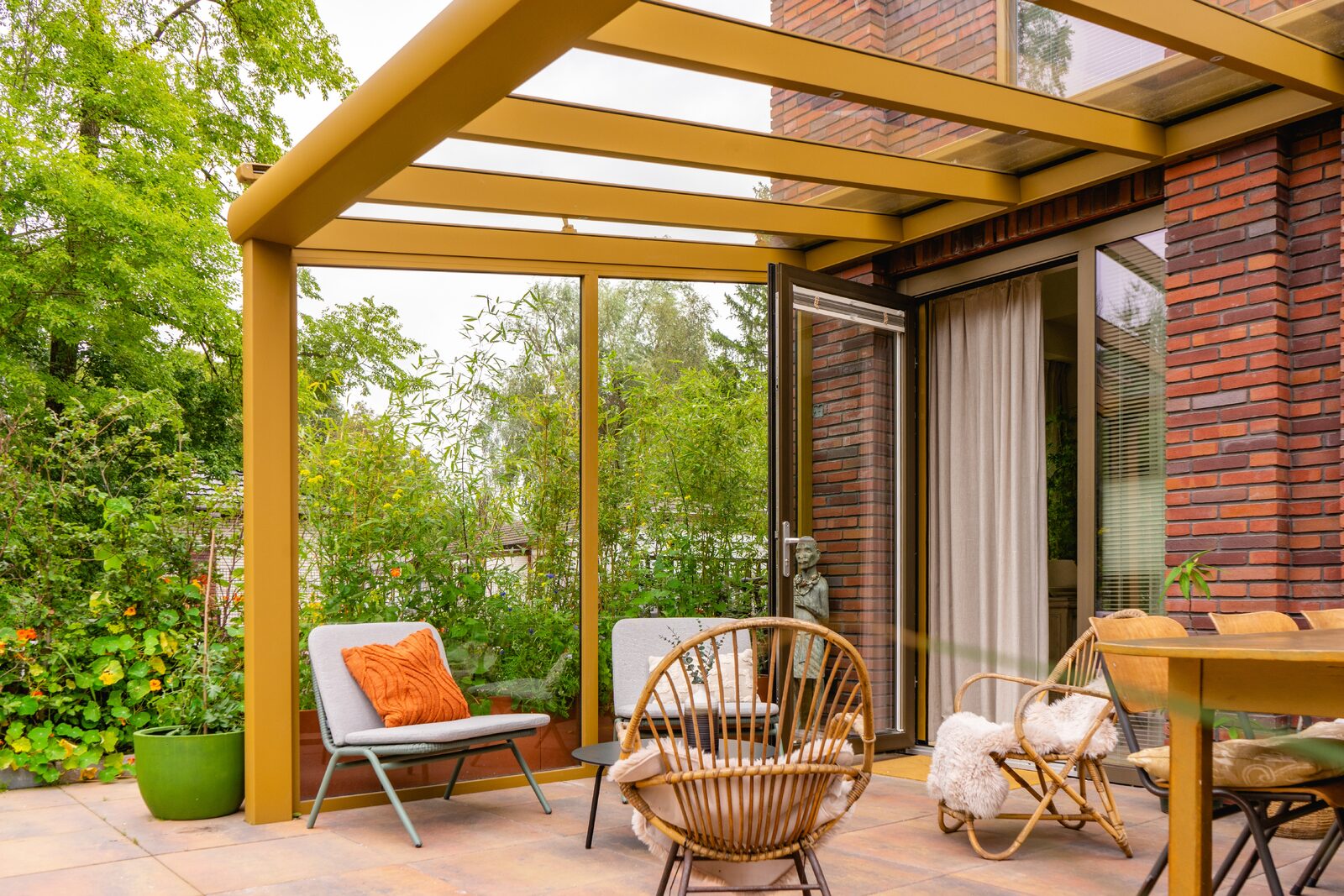
"We reassess what’s needed every single time," he explains. Dimensions and construction depend on the building and the desired span. Where necessary, for example, an additional steel structure is used. But according to De Groot, custom work isn’t just about technology. Color and appearance can also be tailored to the restaurant or hotel. "Ultimately, every canopy is unique. You consider functionality, but also the colors and style of the restaurant. It has to fit the location and the branding."
For De Groot, these two aspects come together precisely in hospitality projects. The canopy must become an integral part of the space, but at the same time, it must above all serve its intended purpose: ensuring that the patio can adapt to the weather.