zenronline.eu
EN

Platform on sun and daylight control, shutters, patio covers and closures
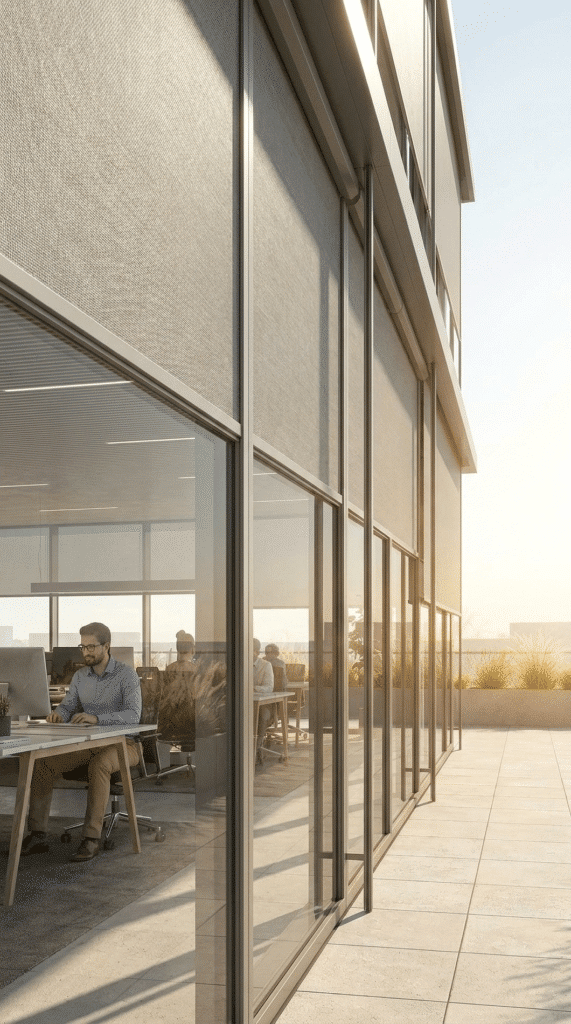
Rising energy costs, increasingly hot summers, and stricter regulations—such as OIB Directive 6 or the European Directive on the Energy Performance of Buildings (EPBD)—make it clear: energy efficiency is now a crucial criterion in modern architecture. Buildings must not only be functional and aesthetically pleasing, but also actively contribute to reducing energy consumption and CO2 emissions. An intelligent, holistic approach is crucial in this regard—and this is precisely where sun protection plays a key role.
Solar energy is both an opportunity and a challenge. While daylight is essential for visual comfort and health, uncontrolled heat gain leads to overheating and an increased need for cooling. Research shows that up to 50 % of the cooling load originates from the building envelope. A large portion of this is due to solar radiation. External shading significantly reduces this effect: a 35 % reduction in cooling load through external shading systems; up to a 60 % reduction in cooling energy demand with consistent use of intelligent shading; temperature reductions of up to 10 °C indoors.
This effect is clear from a physical standpoint: if solar radiation is blocked outdoors, it does not enter the building and cannot be converted into heat there. It is a crucial factor in maintaining low gtot values (e.g., ≤ 0.15 according to the OIB guideline).
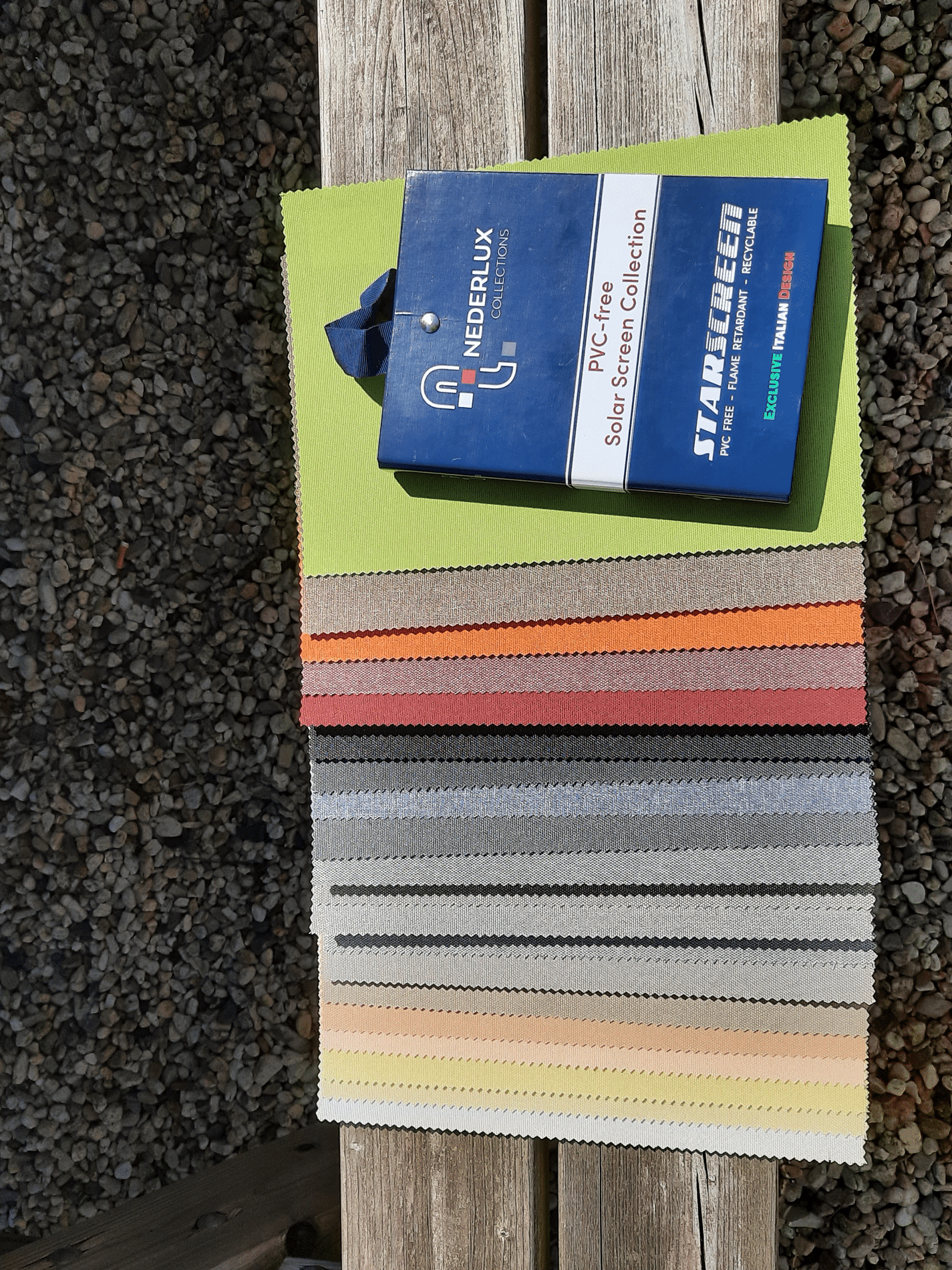
Sattler's TWILIGHT collection combines architectural freedom with measurable energy efficiency. The PVC-free screen fabrics are available in various performance levels:
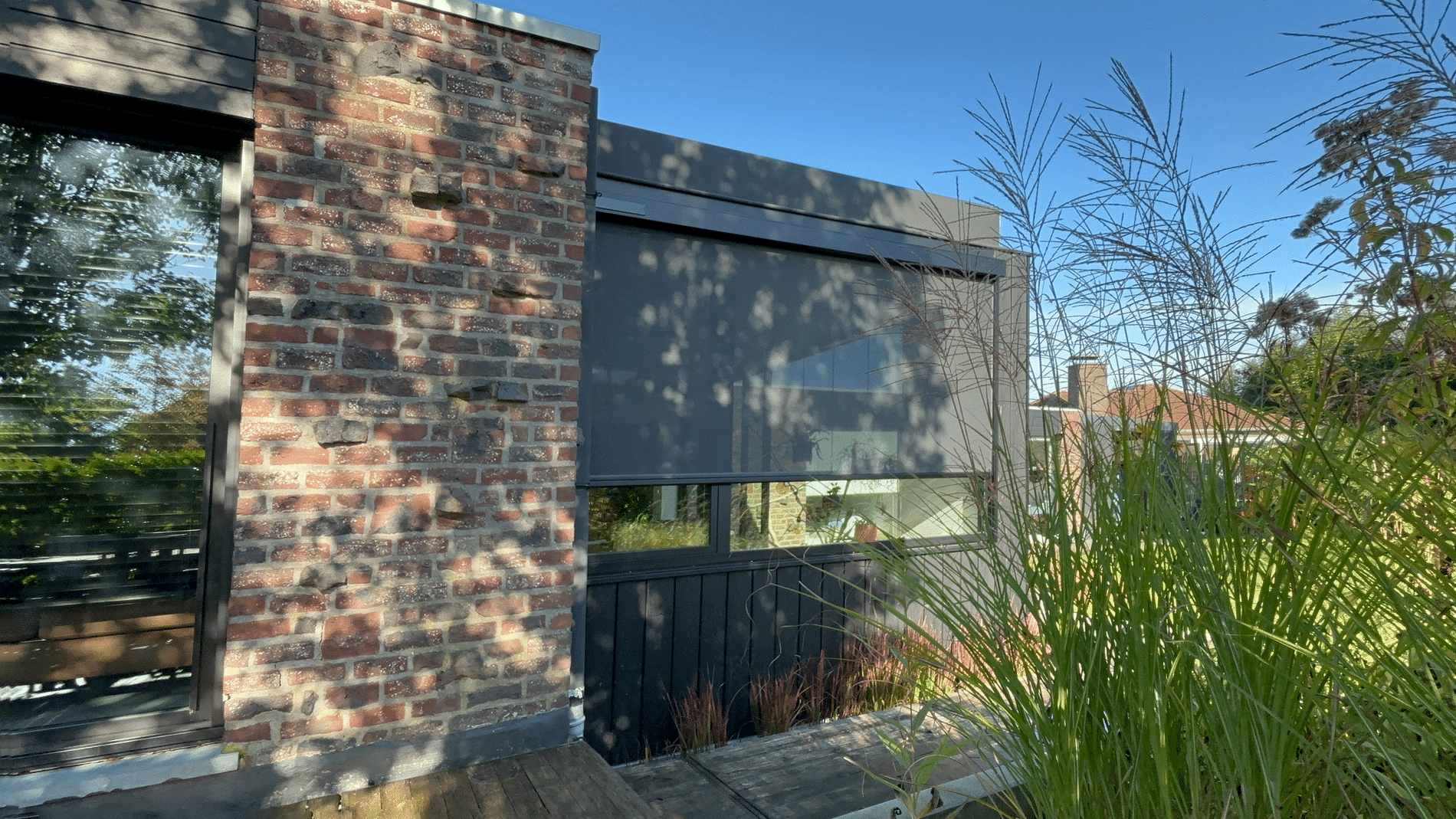
These phased levels of transparency allow for targeted control of a building’s overall energy balance. High efficiency is achieved, particularly when combined with ZIP systems, as the fabric panels are guided to remain flat and wind-stable.
The energy-related impact has not only been demonstrated theoretically but is also systemically relevant: according to a study by Guidehouse, the widespread use of automated window shading could significantly reduce the increase in the number of air-conditioned buildings in Europe and save up to 100 million metric tons of CO2.
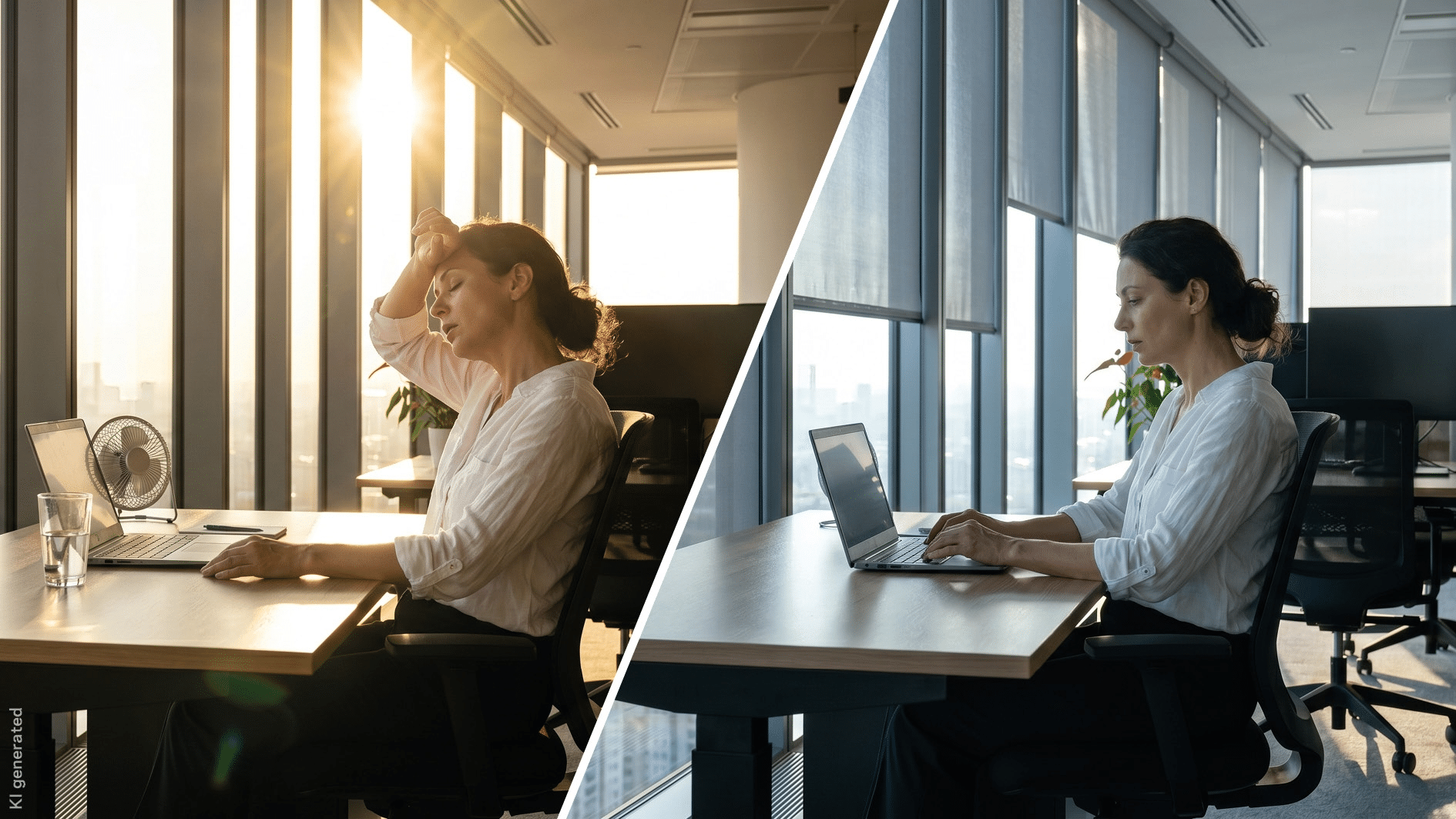
A key benefit of TWILIGHT fabrics lies in the targeted use of daylight. Instead of darkening rooms, the light is spectrally filtered and evenly distributed. This results in:
• less artificial lighting;
• improved visual comfort;
• improved quality of life and productivity.
Studies in the field show that optimized sunshade systems simultaneously reduce energy consumption and improve comfort and performance. As a result, fabric shades make a twofold contribution to sustainability:
1. Immediate energy savings due to lower cooling and lighting costs;
2. Indirect effects resulting from increased user satisfaction and efficiency.
Today, modern buildings must perform better than ever before. They must be sustainable, economical, and comfortable all at the same time. TWILIGHT demonstrates that these requirements are not mutually exclusive: less heat, more daylight, lower energy costs, and a clean architectural aesthetic.
Energy savings thus become not a limitation, but part of a holistic user experience. TWILIGHT represents a new generation of textile façade solutions. It can be precisely planned, is technically efficient, and offers sophisticated design possibilities. Furthermore, TWILIGHT Comfort and TWILIGHT Elements are precisely color-matched, enabling a seamless facade design even when there are differing requirements for transparency and privacy.