





Sham self-employment and the DBA Act
Text Jean van PolImage Z&R
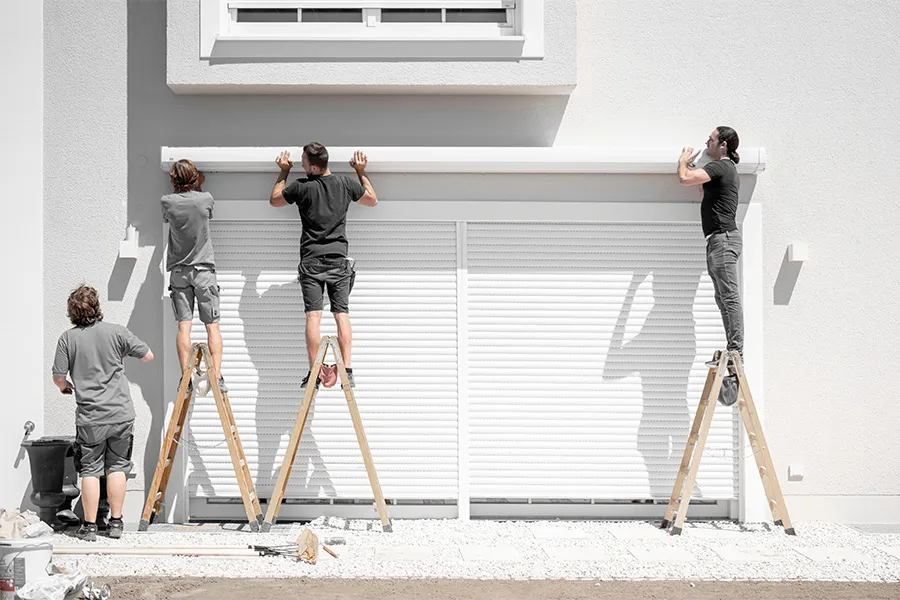
Many awning companies use freelancers to respond flexibly to peaks in demand, for example during the assembly or maintenance season. Nevertheless, it is important to pay close attention to these collaborations: since Jan. 1, 2025, the tax authorities have in fact started stricter controls on false self-employment based on the DBA Act. This has important consequences for both clients and freelancers in the sun protection industry.
The Wet DBA (Deregulering Beoordeling Arbeidsrelaties) is intended to create clarity about the employment relationship between clients and contractors. The goal: to combat false self-employment. This occurs when a freelancer actually does the same work as an employee, but without the associated securities and obligations. Under the law, both parties are responsible for setting up the employment relationship correctly. If it turns out that there is in fact employment - for example, because there is authority or the self-employed person provides structural and personal work - the Tax Authorities can mark this as false self-employment.
What has changed as of Jan. 1, 2025?
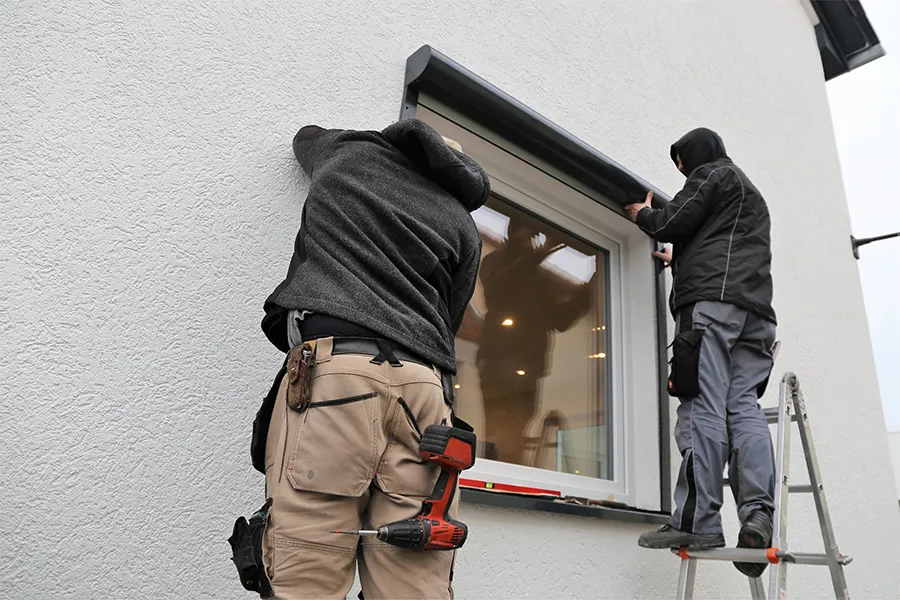
Although the DBA Act has been in effect since 2016, enforcement had been suspended for years. As of 2025, this has changed. The Tax and Customs Administration is again actively checking the correctness of employment relationships, and clients can be held accountable for violations. In 2025, enforcement will remain limited to warnings; from 2026, fines can be imposed.
However, a transition period applies: existing model agreements previously approved by the Inland Revenue will remain valid for the time being until the end of 2029. This gives companies time to adjust their processes.
When is false self-employment?
According to the law, employment exists when three conditions are met:
- Personal labor - the self-employed person must perform the work themselves;
- Wages - there is payment for work;
- Authority - the principal provides direction or supervision.
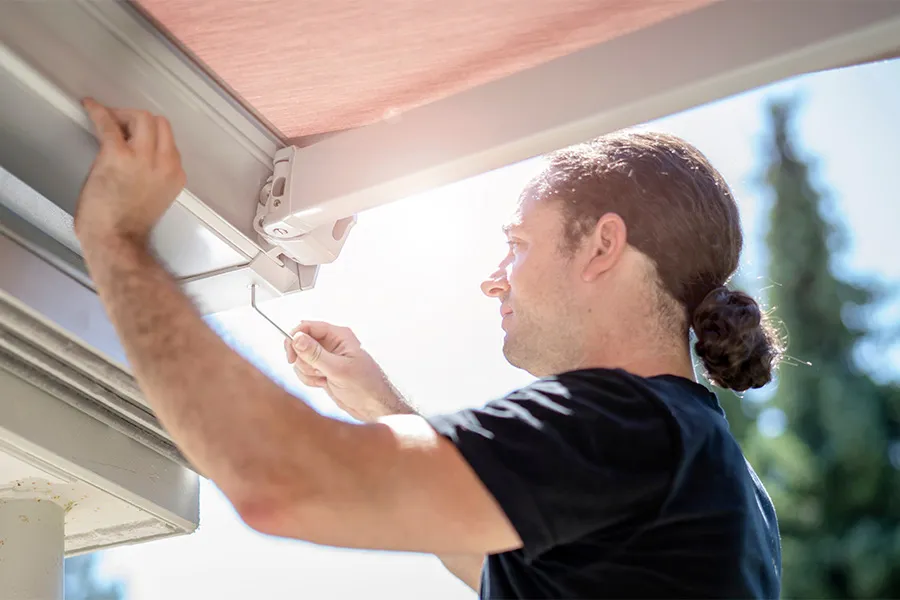
In practice, for awning companies, this means that a self-employed person who works full-time, maintains fixed working hours, must comply with company instructions, and uses a company bus, for example, is unlikely to be considered truly self-employed.
In contrast, a freelancer who uses his own tools and van, decides when and how to work, and performs assignments for multiple clients is arguably self-employed.
What are the risks?
If the Inland Revenue determines false self-employment, the consequences are dire. For companies, this means:
- Payback of payroll taxes and social security contributions (retroactive from Jan. 1, 2025);
- From 2026: risk of fines;
- Obligation to offer employment contract;
- Possible reputational damage.
- For the self-employed, the consequences can also be dire: loss of tax benefits (such as the self-employment deduction) and repayment thereof, no access to social security benefits, and the risk that the Internal Revenue Service will classify him as an employee.
- How do you stay within the law?
- Fortunately, awning companies can take measures to continue working safely with independents:
- Use clear assignment descriptions: Record the purpose and scope of the assignment;
- Work with model agreements: These provide guidance and are legally valid for now;
- Avoid authority relationships: Don't give detailed work instructions, don't mandate company clothing, and let the self-employed determine their own schedule;
Make sure the zzp'er operates independently: ideally, he also works for other clients and uses his own equipment.
In conclusion
The DBA Act forces awning companies to take a critical look at their collaborations with zzp'ers. However, by consciously steering for self-employment and making clear agreements, it remains possible to work together flexibly and legally. This is not only good for the continuity of your company, but also for a healthy and fair market.
Question about this story? Ask your question
Keep following this
Get an email when a new story is published. No account needed.
- SubjectGeneral