






Helioscreen: 'Avoiding glare is also important when working from home'
“Om schitteringen en andere lichthinder in een woon- of werkvertrek te voorkomen, worden vaak Helioscreen screendoeken met een geringe openheid in een donkere kleur of met een gemetalliseerd oppervlak gebruikt”, aldus sales- en marketingmanager Leo De Maeyer van Helioscreen.
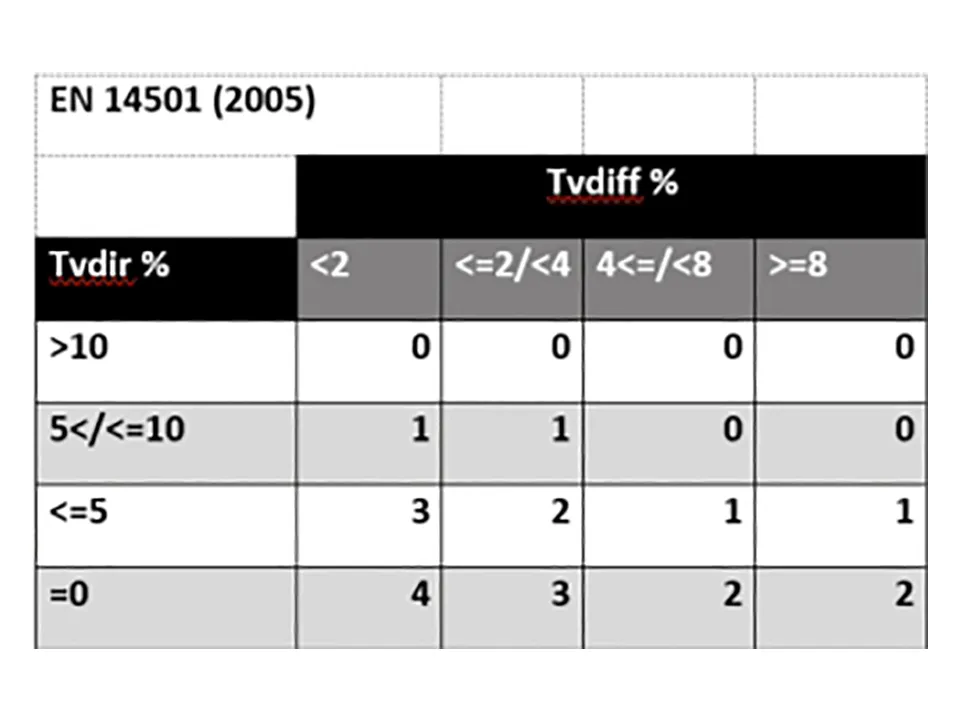
"The future classification for visual comfort - 'glare control classification' - of standard EN14501 helps shading specialists and end users to choose an optimal solution for each situation."
'Very annoying'
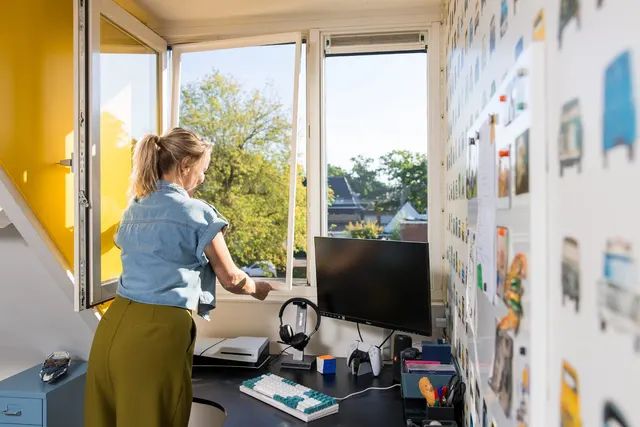
"Everyone has probably experienced it at some point during the beautiful autumn months: the sharp light from the low-lying sun can be very blinding," says De Maeyer. "What you experience then is, in good Dutch, 'glare': light pollution. A lot of offices have - of course - excellent blinds to counteract that. But right now many people are working at home because of corona, and the home office is not always equipped to efficiently reduce light nuisance."
"Every sunny day forces home workers to face the facts and remind them of the importance of shading and the need to avoid light pollution. Even at home! Perhaps you as an awning specialist or one of your customers are experiencing the same problem? That gives us an opportunity to talk about "glare control. In other words, how do I prevent light nuisance?"
Impossible or unpleasant
Light pollution can be experienced in different ways. One way is when bright, direct or indirect - via reflection - incident (sun) light makes it physically impossible for someone to perform their task or work. In technical jargon, this is called "disability glare. If sunlight entering through the window falls directly into someone's eyes, it becomes impossible to perform an (office) task because it makes it impossible for that person to see properly.
The other form of light pollution occurs when seeing is not made impossible, but it is unpleasant: "discomfort glare. Those to whom it happens can still see objects - their work - but the on-site light disturbs, makes it harder to concentrate and can even lead to physical discomfort, such as headaches. This form of light nuisance is almost always caused by distracting reflections in monitors and furniture or by too little contrast.
Daylight Glare Probability (DGP).
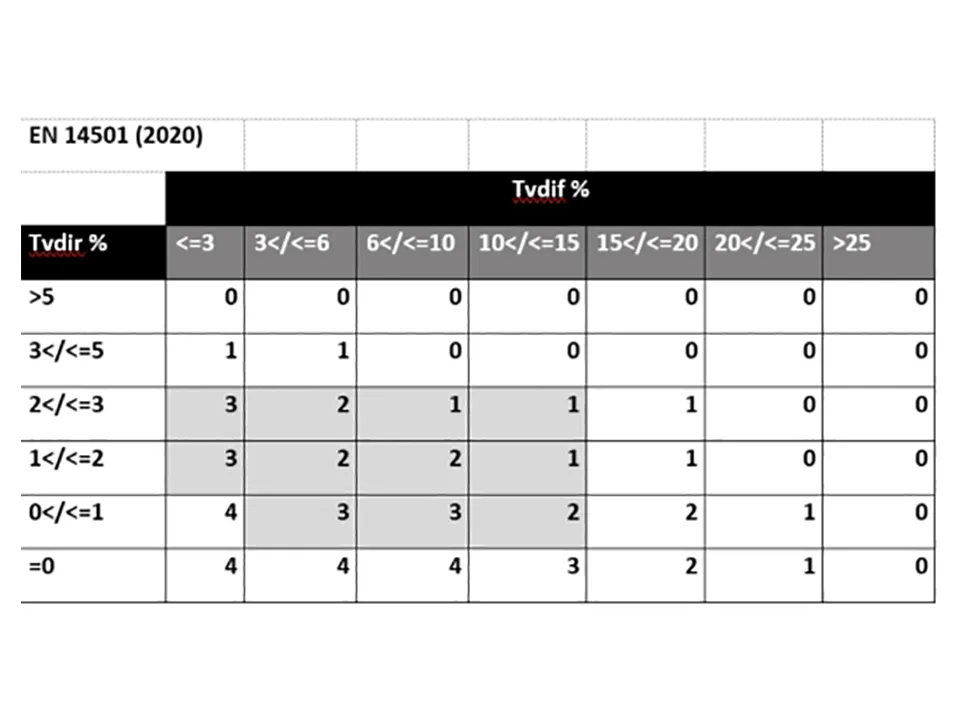
Not everyone is equally sensitive to "discomfort glare. This is why scientists have developed an index for it, based on thorough research and experiments. It is the so-called 'Daylight Glare Probability' (DGP) described in the European standard for daylight EN17037. The DGP predicts the probability that people in a room will experience light pollution.
Based on this DGP index, a new classification of light pollution has been included within European Standard EN 14501, which is expected to be published in early 2021.
To keep DGP as low as possible, De Maeyer says the scientists recommend shading that provides diffuse, direct light transmission. The exact advice they give depends on the location and orientation of the building under study and the amount of glass. "So ideally a fabric with an openness factor of up to 3% with low, diffuse light transmission. For good light control, we therefore advise our customers to use dark colors or metallized fabrics, such as our Panama Chrome+ screen fabric."
Question about this story? Ask your question
Keep following this
Get an email when a new story is published. No account needed.
- SubjectProduct information