






Verosol: ‘Metalized indoor blinds are a solution in BENG standardization’
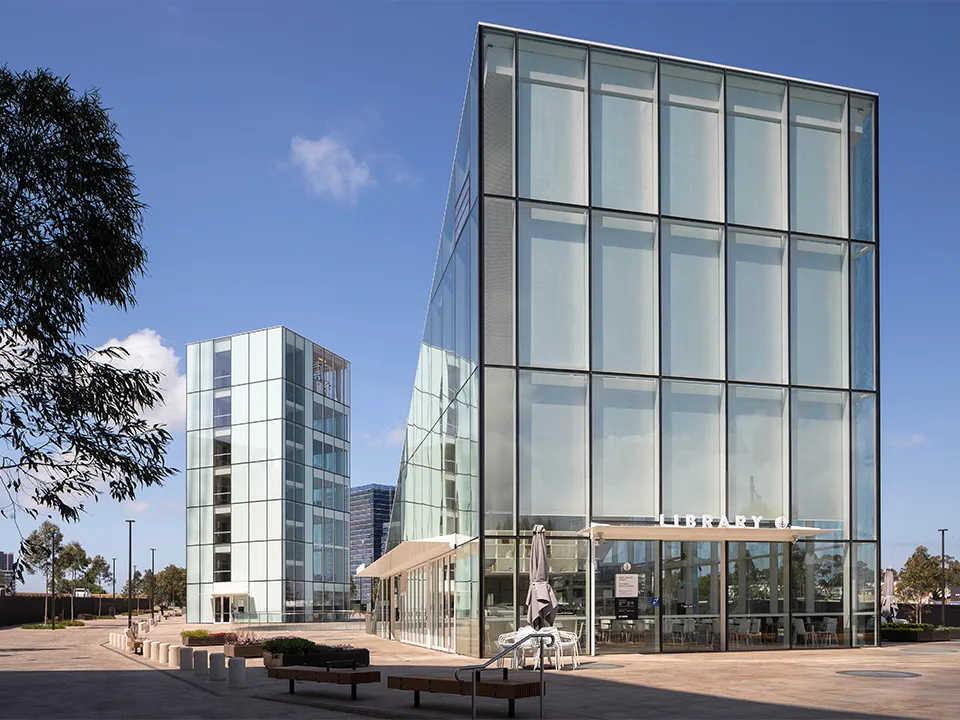
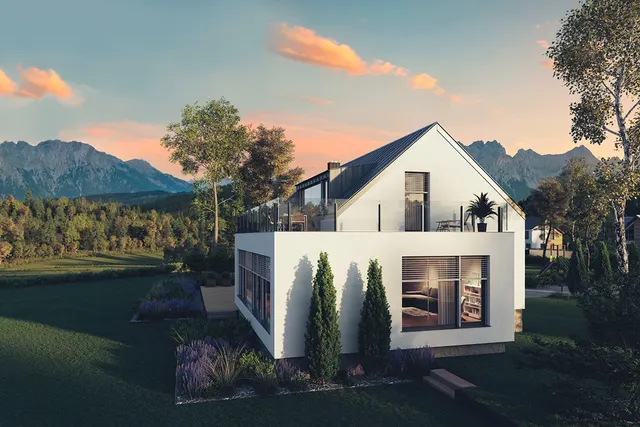
Met ingang van 1-1-2021 is de nieuwe BENG-norm voor nieuwbouw een feit. De nieuwe normering maakt het inzetten van glastoepassingen steeds moeilijker, terwijl het een trend is om zo transparant mogelijk te bouwen.
In addition, by 1-1-2023, all existing office buildings must comply with at least energy label C, an obligation that is still relatively unknown. Verosol, specialist in the design and production of functional fabrics for indoor sun protection and also the inventor of the metallized textile, offers total solutions to these challenges.
BENG in new construction
Evert Bos, product manager at Verosol explains that for new construction, three indicators are important for the BENG calculation. “First, the maximum energy requirement of a building, where it is important to reduce energy consumption. Second, reducing the use of primary fossil fuels and third, the minimum share of renewable energy.”
Indoor blinds
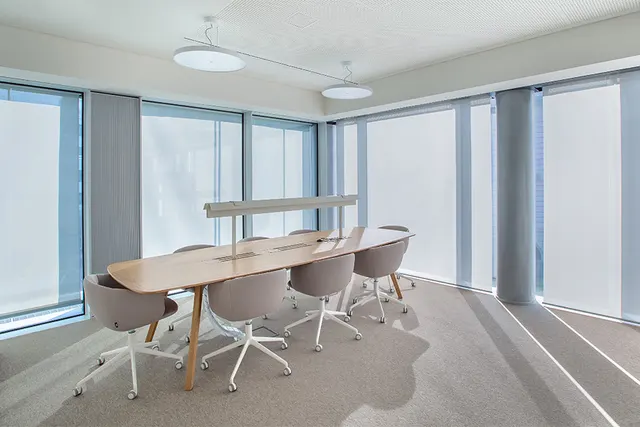
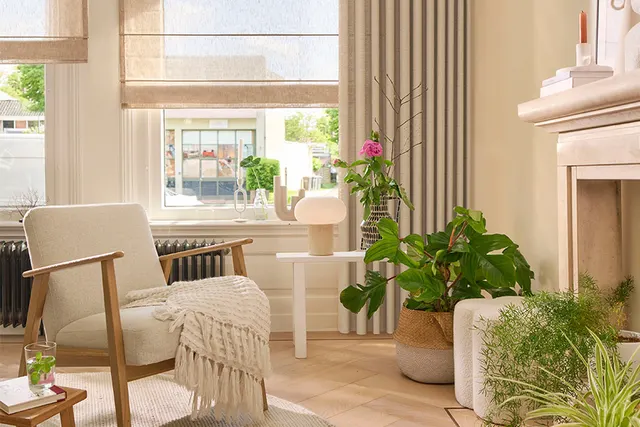
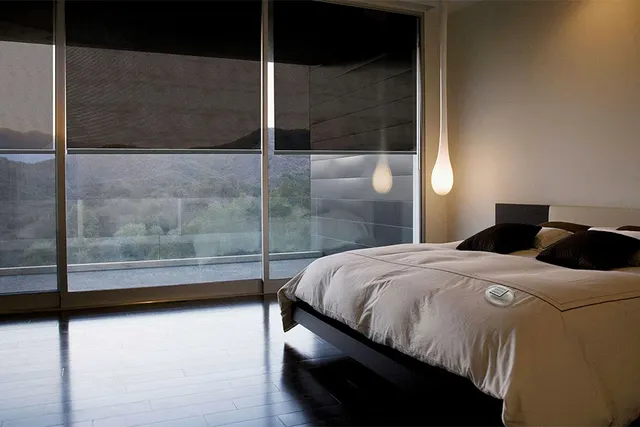
The first indicator describes the valuation of solar shading as a policy measure and thus must be included. Recently, this also includes indoor shading. “Provided that it is an inseparable part of the climate control system,” Bos says. “That means it is automatically controlled and linked to a building management system that controls the air-conditioning.”
Solar and insulating function
Whereas previously the focus was only on keeping heat out in the summer and thereby achieving reductions in cooling (lower ZTA or g-value), today better insulation is also obtained by keeping interior blinds closed at night during the heating season. This prevents cooling, thus reducing the need for heating (lower U-value). ’It is an absolute added value that the shading and insulating effects of interior blinds can now be included in a building's energy performance calculations,“ Bos believes.

Logical combination
“At Verosol, development in technology does not stand still,” Bos continues. “Our team of engineers is constantly looking for methods to achieve optimal facade insulation that blocks as much heat from the sun as possible while maintaining transparency.” The choice of glazing and coating used in combination with interior blinds is relevant to achieving the required energy performance. “With Verosol interior blinds, you can continue to meet the more stringent standards without compromising on design freedom. This makes it aesthetically better, cheaper and less maintenance-sensitive.” Bos is convinced that when it comes to new construction, architects and contractors do see the importance of solar shading combined with glazing for the BENG standards.
Existing construction
But he also notes that far from everyone is aware that regulations are also being tightened for existing buildings. As early as two years from now, every office larger than 100 m2 must have at least energy label C. If a building does not meet that standard, it may no longer be used as an office, the Building Code states. “Many building owners have no idea that this is coming their way and how to anticipate it. Verosol has an enormous amount of knowledge and experience in house and has its own Expert Centre to provide targeted advice regarding glass and sun protection choices. Unique in the Netherlands within the industry. For example, we recommend that the coating of insulating glazing be applied to the outer (laminated) pane rather than the inner pane. This is not only more financially attractive, but when you combine it with Verosol's dynamically controlled sun blinds, you get the optimal situation in terms of insulating properties and sun protection performance.” Bos concludes, “Thanks to the right advice on a total solution with metalized interior blinds, desired energy performance can be achieved that meets the new BENG standard.”
Question about this story? Ask your question
Keep following this
Get an email when a new story is published. No account needed.
- ThemeLight and privacy indoors
- SubjectInteriors