






CLASSES IN SOLAR BACK TO SCHOOL
“Wist u dat schoolkinderen beter presteren in klaslokalen met milde temperaturen en voldoende natuurlijk daglicht?”
"Did you know that school children perform better in classrooms with mild temperatures and adequate natural daylight?" said Helioscreen sales and marketing manager Leo de Maeyer. "Students who can benefit from natural daylight in their classrooms complete math 20% tests faster. Reading tests even go 26% faster. That's according to a 1999 American study by Heschong Mahone on daylighting in schools."
Unfortunately, direct sunlight in a classroom - especially through windows without blinds or (roller) curtains - is also associated with negative student performance. This is because classrooms become too warm, and the built-up heat drags down students' productivity and concentration. Also, annoying reflections on screens and surfaces often literally cause headaches.
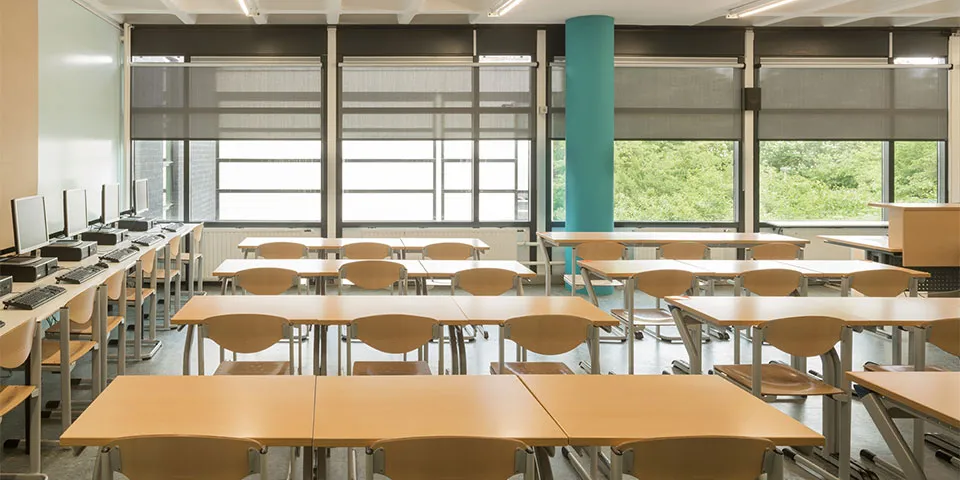
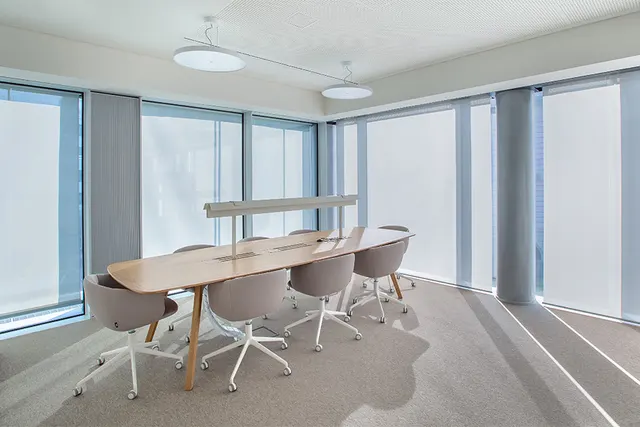
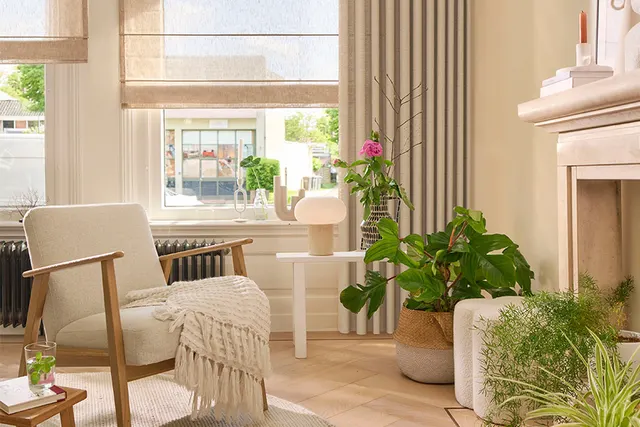
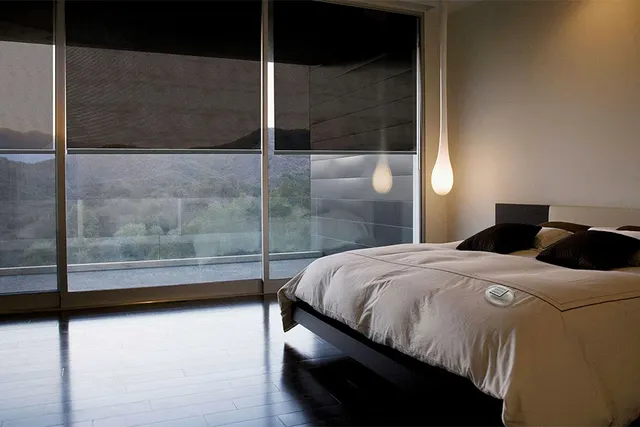
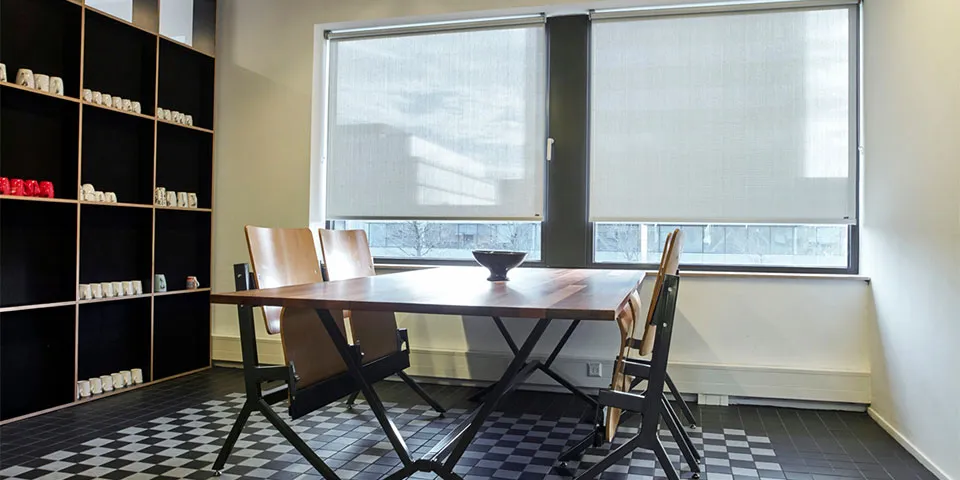
"To prevent overheating and retain the benefits of daylight, fiberglass PVC screens and other fabrics from Helioscreen are the perfect solution," assures De Maeyer. "They let in plenty of daylight, but prevent overheating and glare on smartboards, laptops and tablets. In addition, the open structure of the fabric allows students to simply continue to look outside, so there's no cooped-up feeling."
"Several years ago, Helioscreen was the first to enter the Dutch market with a Sergé outdoor screen cloth with an openness of 1%," De Maeyer continues. "The demand then came mainly from schools that use smart boards on a daily basis. For them, it is essential that these boards are clearly visible and that what is displayed on them can be read properly. Consequently, there should not be too much blinding sunlight on them. At the same time, there must be enough daylight in the classroom so that students can also simply take their notes."
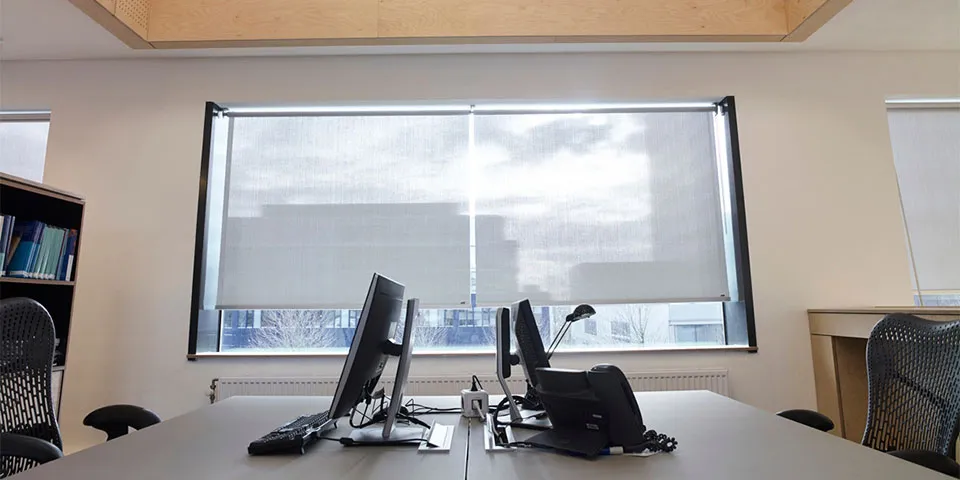
The Sergé 1% screen cloth - also known in the Netherlands as École 1% - proved to be the ideal solution for this, according to De Maeyer. "Because the fabric blocks solar heat even before it hits the window, it remains pleasantly cool in the classrooms behind it. For cases where an outdoor awning is not feasible, Helioscreen has also had fabrics for indoors with a small openness in its range for some time, such as the Star 1% and the Panama 1%. On our website www.helioscreen.com, the references list several successful school projects, both implemented with outdoor screens and indoor blinds. They show how successfully the heat can be kept out, reflections can be prevented ánd the view from inside to outside can be maintained."
Question about this story? Ask your question
Keep following this
Get an email when a new story is published. No account needed.
- ThemeLight and privacy indoors
- SubjectInteriors