






Wind-resistant awnings for any application
Elke glaspartij brengt een oververhittingsrisico met zich mee. Daarom heeft Renson voor elk type beglazing een passende doekzonwering.
Any glazing presents an overheating risk. That's why Renson has a suitable fabric awning for every type of glazing. Whether the customer has vertical or horizontal windows, sliding, skylights, corner windows or a skylight ... with Renson, the sun protection specialist has everything needed to use screens to control the temperature in the customer's building. The ease of installation comes on top for free!
Wind-resistant, subtly integrated on the façade, available in a wide range of colors and installed with ease ... these are just some of the advantages that Renson cloth awnings demonstrate on all kinds of applications. To the satisfaction of both installer and end user. This is evidenced by testimonials from fellow solar shading specialists on replacing cloth awnings in an elementary school, installing screens on the roof dome of a restaurant, and the ease of installation during post-installation of solar cloth awnings, respectively.
A wind-resistant alternative to torn canvases
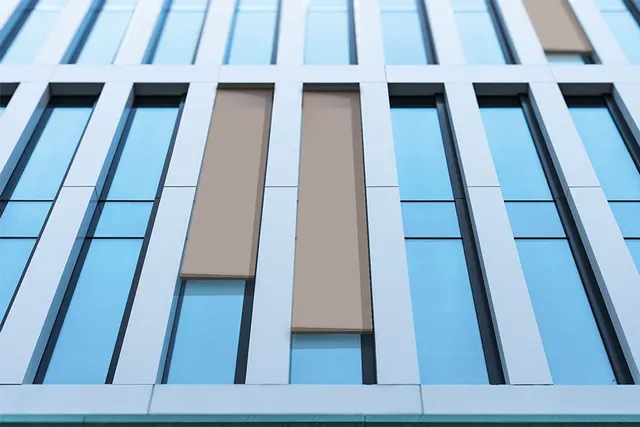
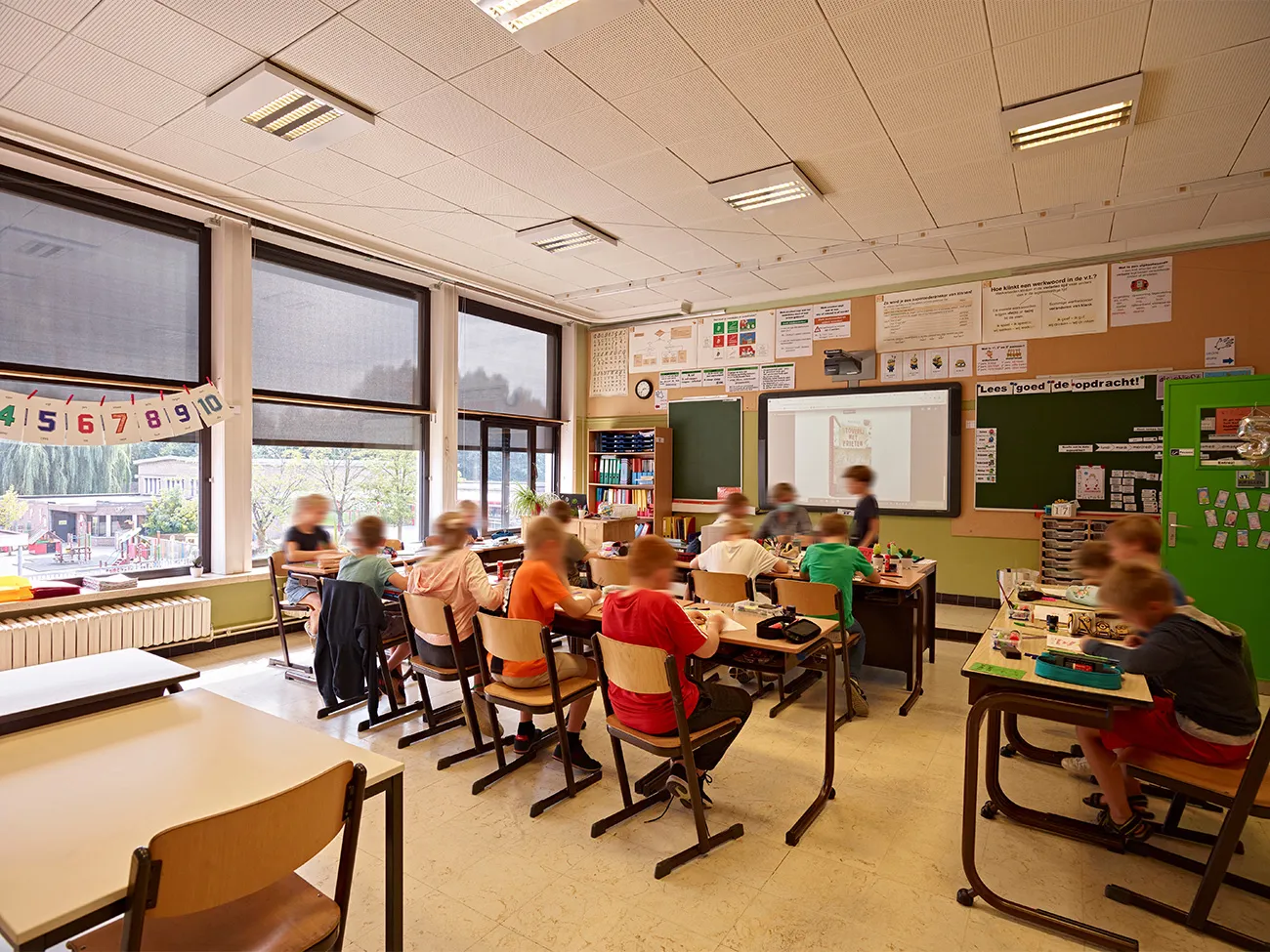
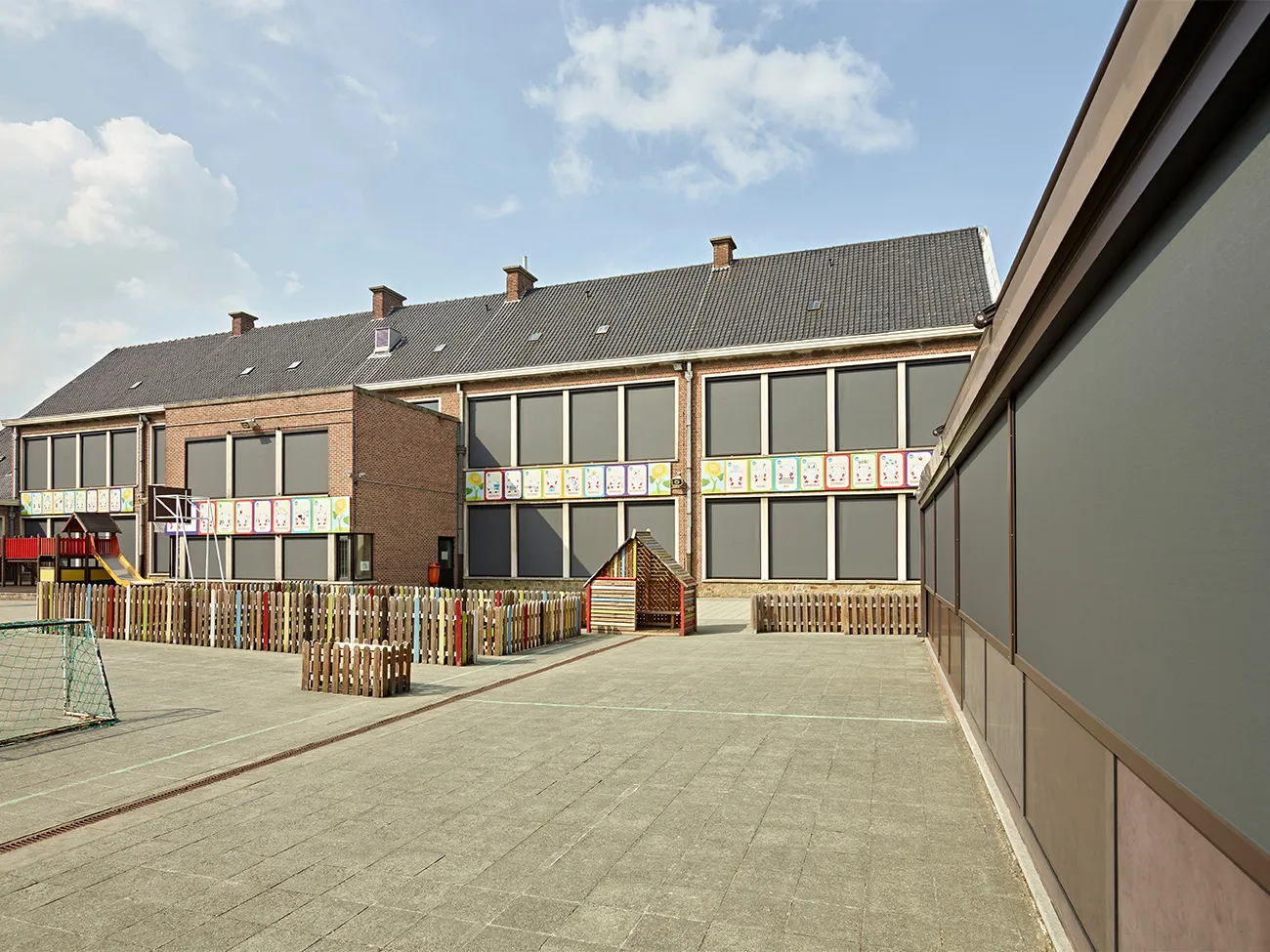
The cloth awning at the municipal elementary school in Desselgem dated back to the early 90s, when wind-resistant screens were not yet available. This was noticeable after all these years and so it was recently replaced by new Fixscreen fabric awnings from Renson. Because the cloths are fixed in the side guides, they have a much longer life.
"With the old cloth awning, the wind had free rein," knows Maxim Demaeght of Renson Premium Ambassador Demaeght Zonwering. "And that, of course, affected the durability. With the choice for Renson's Fixscreens, the school is definitely on the right track in that respect for the coming years. Especially since the new wind-proof screens are not only equipped with a solar sensor, but also with a wind sensor. The latter ensures that the screens are automatically rolled up in strong winds. The convenient thing about the new screens is that they can also be operated individually for each class, depending on the desired shade or incidence of light. With increasingly hot springs and summers, this is no luxury."
A pleasant indoor climate with sun protection on the roof dome
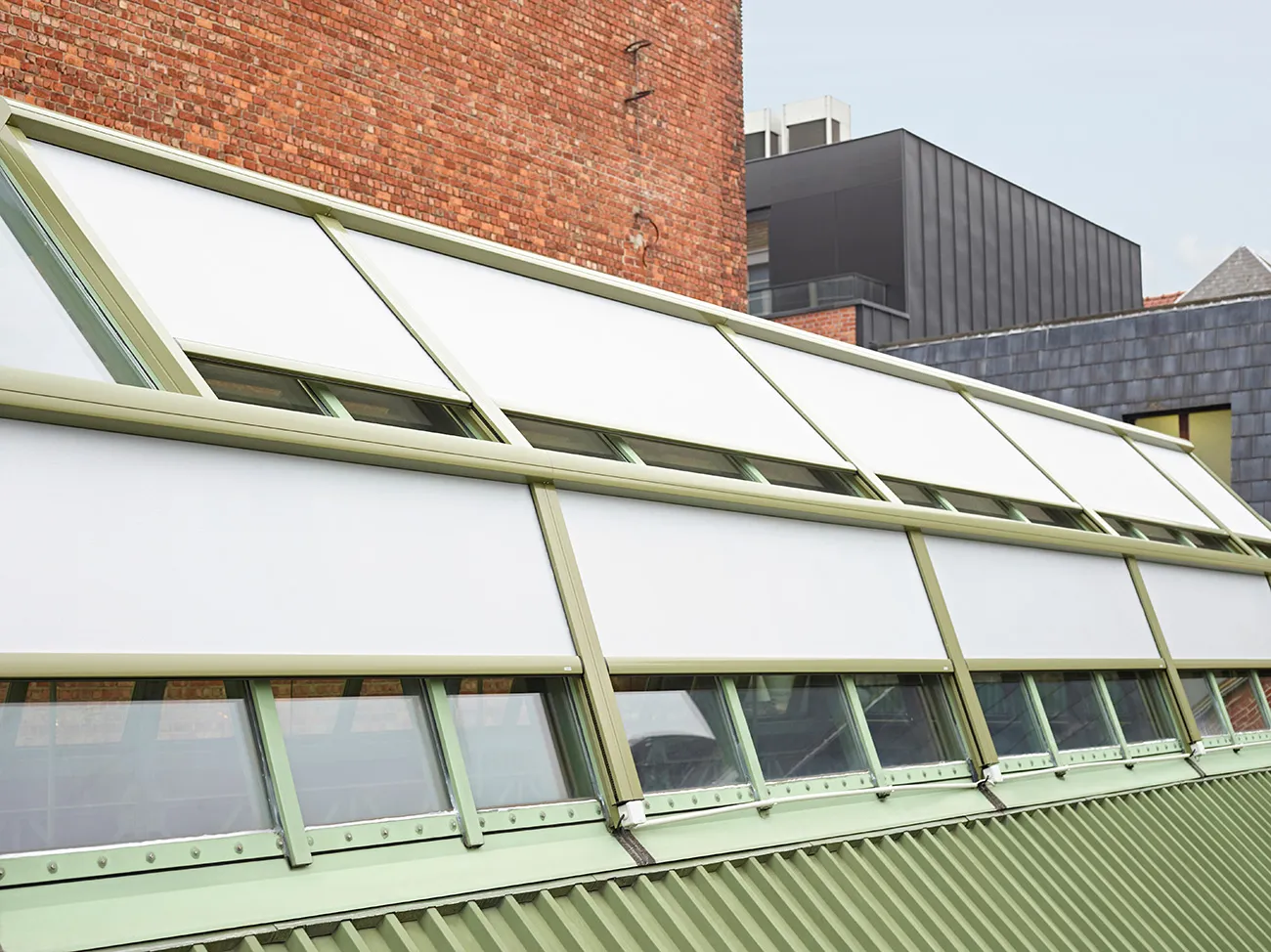
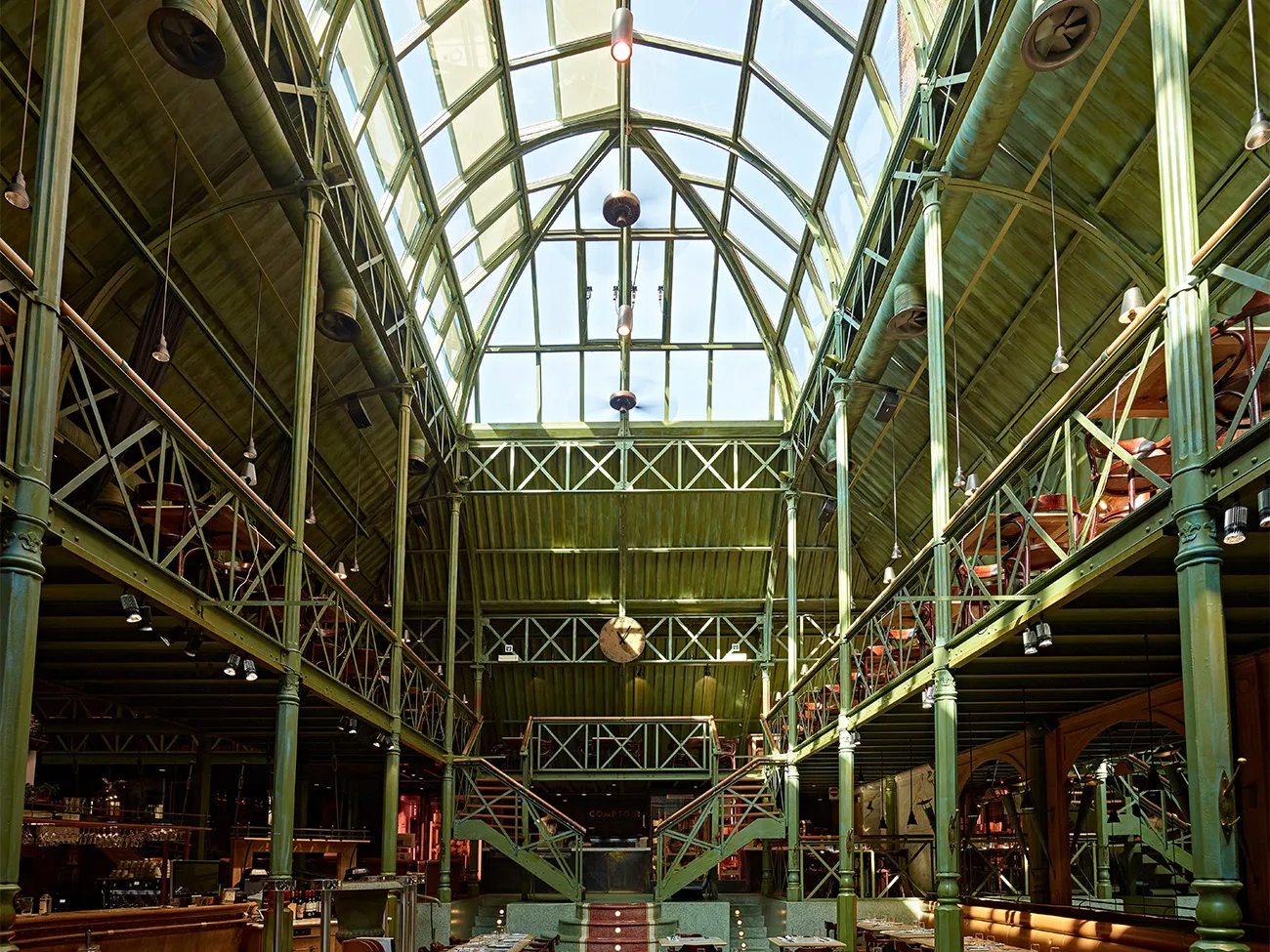
With a glass roof dome centrally located above the open-plan interior, the bright sun on hot summer days worried the owner of the Ghent restaurant Pakhuis. To prevent the interior temperature from rising too high in a sustainable and ecological way, he opted for Topfix fabric awnings from Renson. The four "streets" of the roof dome have received thirteen wind-resistant screen awnings.
"The advantage of outdoor blinds could not be more clearly illustrated than here," adds Tim Isebaert of Renson Premium Ambassador Torck. "With the sun full on the glass dome, with indoor blinds the harm is already done because by then the heat is already inside. The choice of Topfix fabric awnings from Renson was the only logical one to meet the wind resistance requirements and as an aesthetic solution to honor the historic character of the building. Thanks to the fabric boxes and side guides in the same green color of the steel dome structure, the fabric awning can hardly be seen from the inside. So from now on, restaurant-goers here will no longer be bothered by bright, directly entering sunlight, while the transparency of the cloths ensures that sufficient daylight always enters."
Easy and durable post-installation of screens
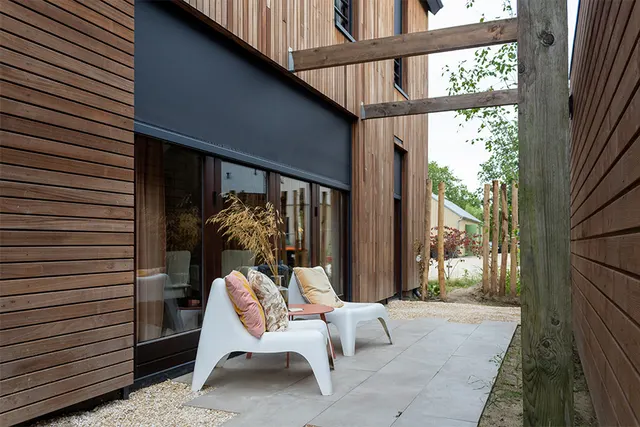
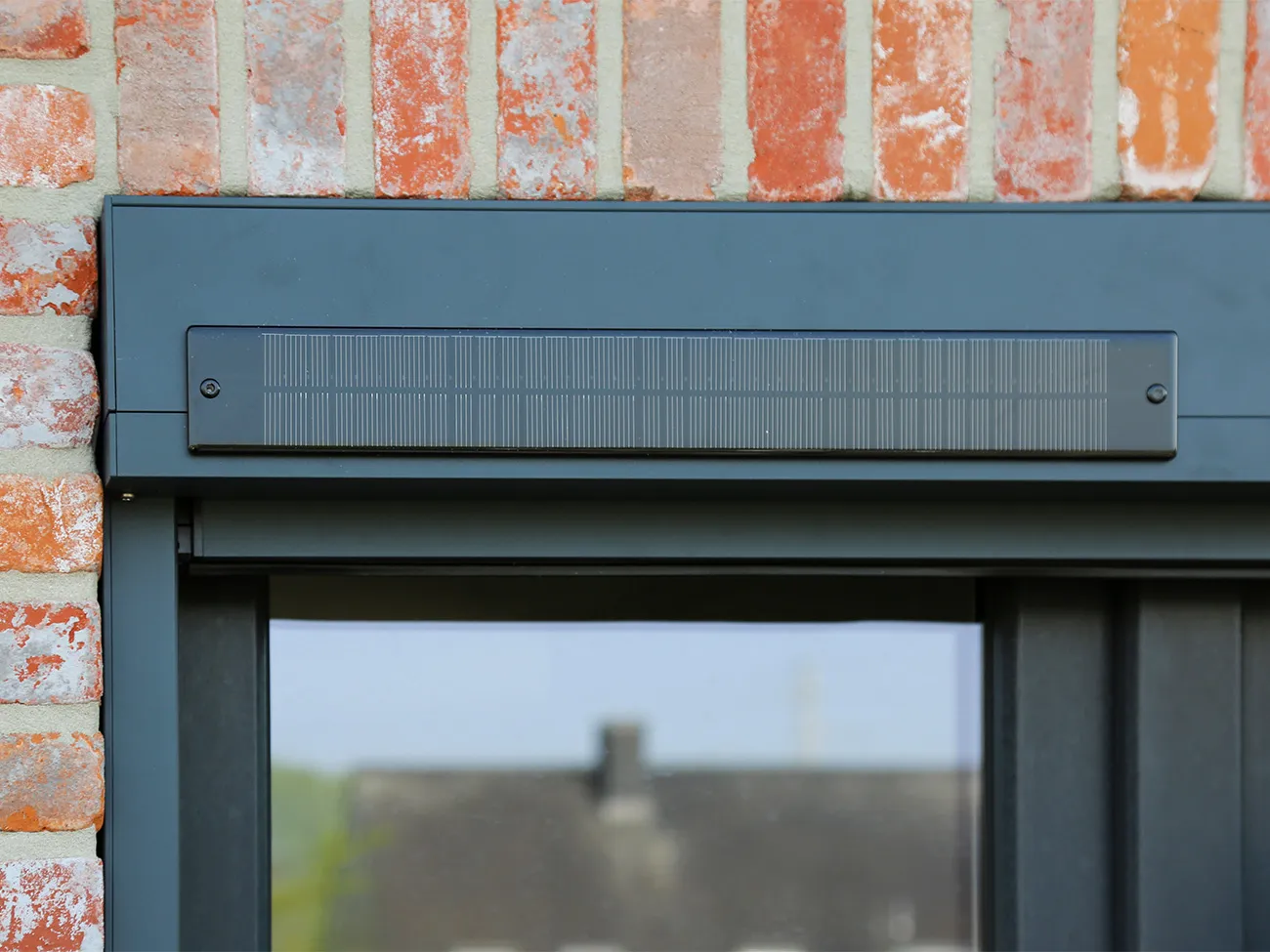
Barely three years after building the house, the owner of a country villa in Vosselaar opted for outdoor screen shading to prevent it from getting too hot, especially on the upper floor. With Renson's Fixscreen Solar pre-wall screens, that post-installation proved simple, in part because the integrated solar cell with battery powers the screen motor. Drilling through walls and pulling cables to connect to the electricity grid is not necessary with this: just mount and go. The client does not even have to be at home for it.
"Installing six Fixscreens Solar on the floor of this villa took only half a day," recalls Bart Damen of sun protection specialist Walbers. "The installation itself went very quickly and smoothly. Renson makes all the parts completely to size. Once the measurements have been taken properly, we hardly have any work during assembly and installation. The guides are first mounted on the fabric box on site and the whole thing is then placed and screwed into the day of the window."
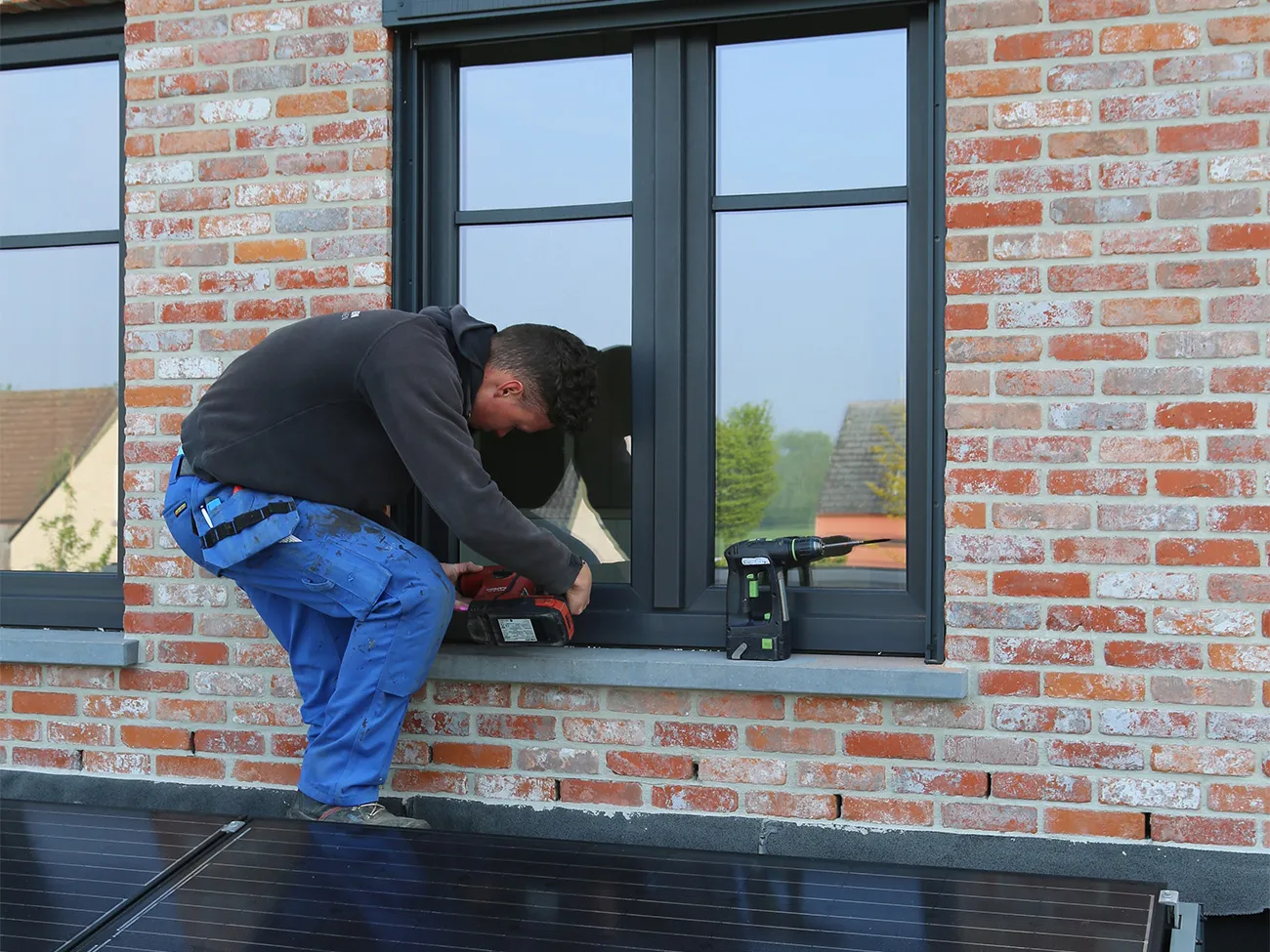
"The solar cell sits either on the left or right side of the cloth case," Damen continued. "The screen comes with a radio-controlled motor and the battery is located in a tube profile at the bottom of the case. When we arrive on site, all we have to do is check that all parts fit in the window, pre-drill a few holes for the guides and then secure them with plugs and screws. The installation is thus a piece of cake for an experienced professional. However, it is important to have sufficient attention to detail. Everything must be level and straight so that the fabric does not wrinkle or sag. Then comes a final important task: testing the motor. We check whether the motor is working properly, whether it rolls up and down in the right direction, and we set the endpoints of the screen correctly. Although it is possible to connect all screens to a circuit, it is still important for us to test them one by one so that we can be sure that each screen does what it is supposed to do."
Question about this story? Ask your question
Keep following this
Get an email when a new story is published. No account needed.
- ThemeSolar shading against heat and energy loss
- SubjectYearbook