





PETER WINTERS OF ES-SO REFLECTS ON 25 YEARS OF SOLAR PROTECTION
Stel een zonweringspecialist is 25 jaar geleden gestopt met zijn zaak. Precies op het moment dat de eerste Z&R verscheen. En nu komt deze persoon terug in de branche. Zou hij of zij de zonweringbranche anno 2021 nog herkennen?
Imagine a sun protection specialist who closed their business 25 years ago, just when the first Z&R magazine appeared. Now this person is returning to the industry. Would they still recognize the sun protection industry in 2021?
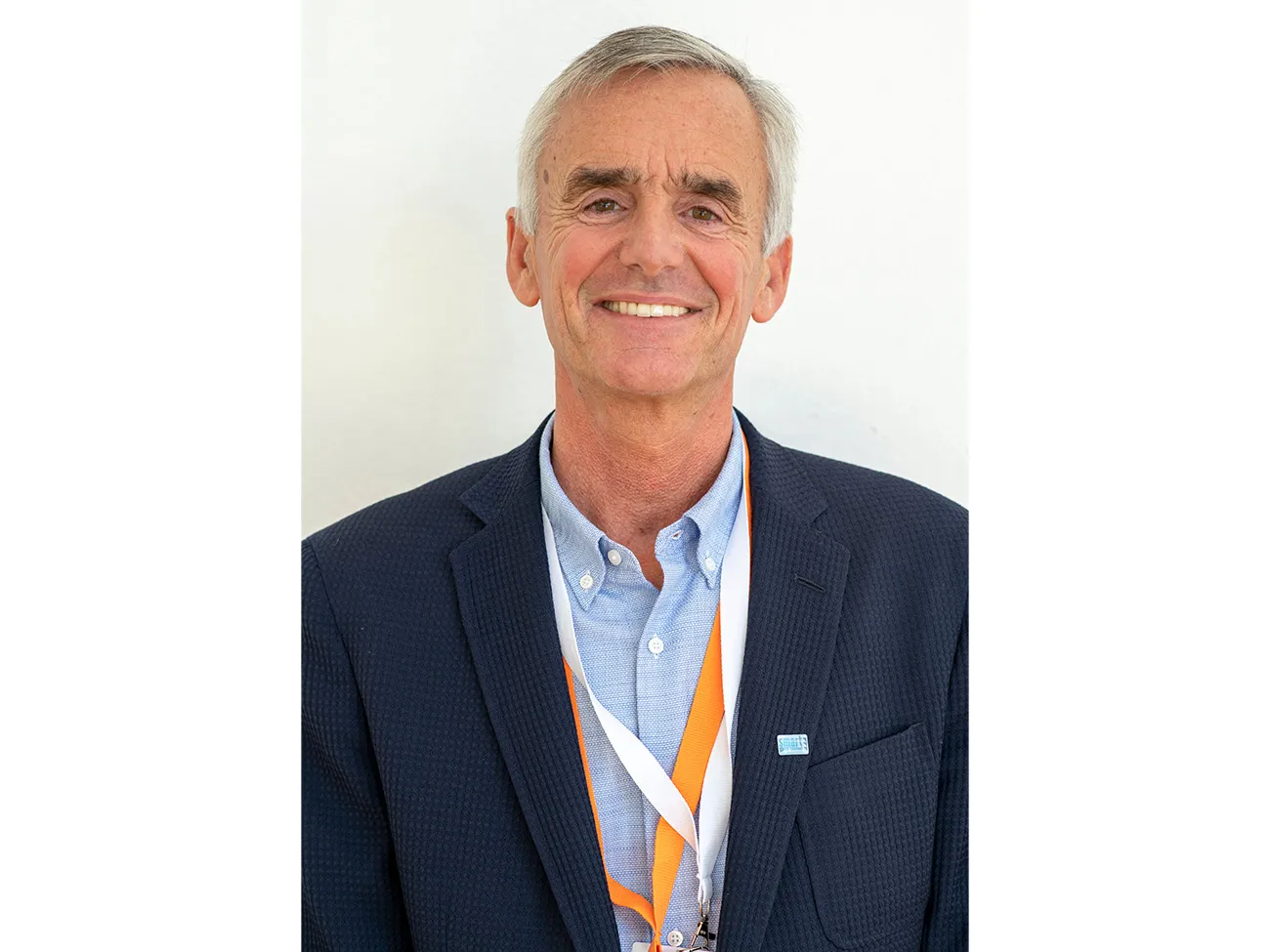
The publisher and editors of the Z&R Jubilee Book 2021 asked Peter Winters to give his opinion. Peter Winters is the former chairman and current director of ES-SO, the European Solar-Shading Organisation. ES-SO is the umbrella organization for European trade associations for sun protection from various EU member states and a few non-member states. If anyone can tell us how the sun protection industry has developed over the past 25 years, it is him.
A quarter century of Z&R is therefore not only the history of the trade journal, it is also a reflection of a quarter century of sun protection and roller shutters. How has the industry developed? What has changed? What has remained the same? And actually, the most important question: what does the future hold, because the climate crisis is presenting the world with major challenges.
Z&R was founded at the end of the last century. What was the status of sun protection at that time?
“Protection against excessive sunlight and, among other things, the problem of overheating in buildings has always existed. Sun protection has traditionally been integrated into and around buildings. Consider, for example, the Persians and Romans who used manually operated sun protection to shield themselves from the intense sun.
“More recently, in the last century, we can say that the first oil crisis in 1973 raised awareness of the need to use energy sparingly and to cherish the free energy provided by the sun, without thinking about excess. In those early years, the focus was therefore on insulation and boilers. Roller shutters were the first example of providing extra protection for windows against the cold, but they were also spontaneously used as sun protection in the summer. Awnings were also a good solution for making indoor and outdoor spaces flexible, following the example of ancient times. In the 1990s, it was realized that energy-efficient construction was becoming more complex. We are not only talking about thermal comfort – overheating in the summer – but also about visual comfort – glare – and how to control it optimally. Combining energy efficiency and comfort became more important.
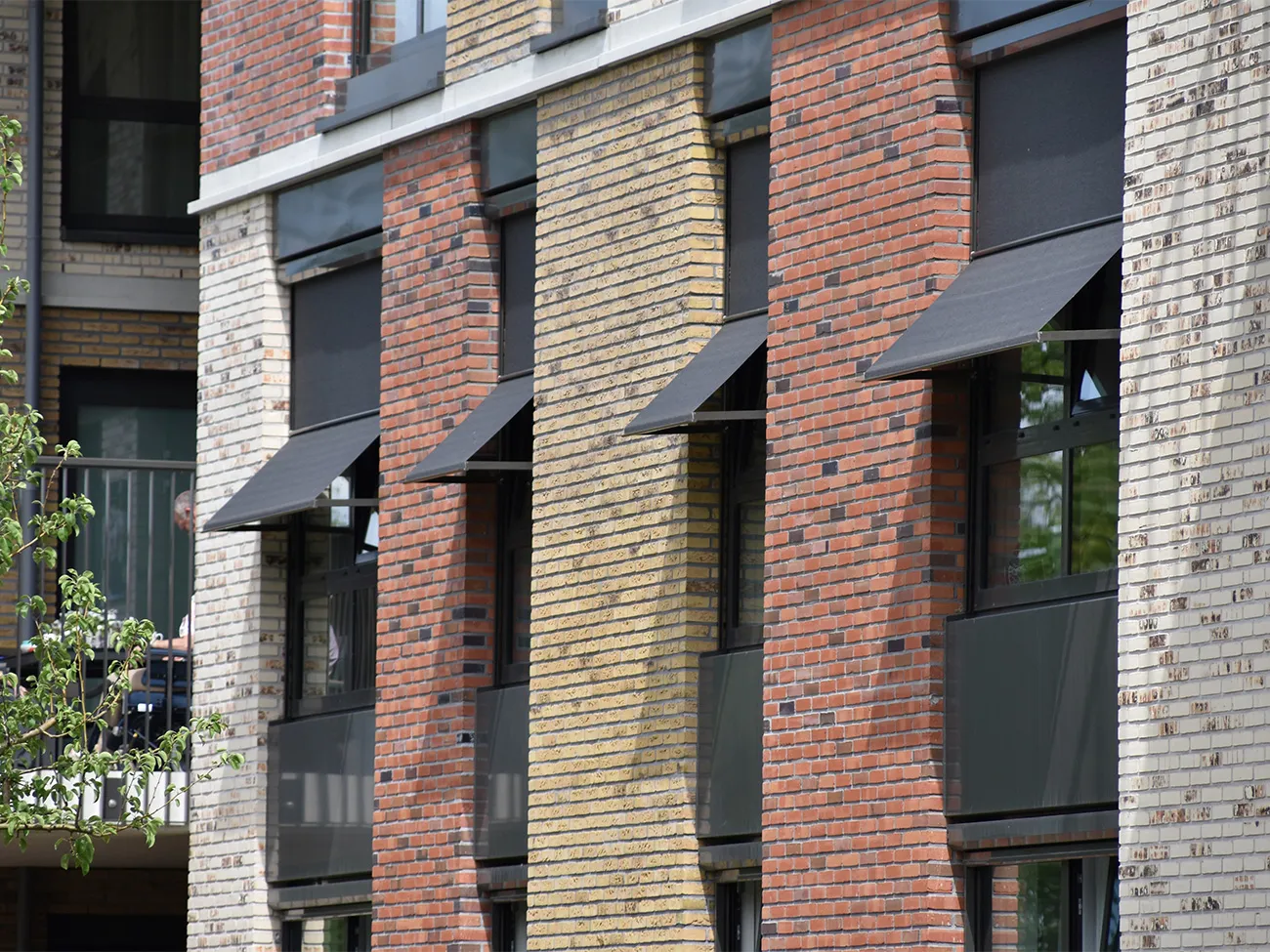
“The focus on overheating and energy-efficient construction has prompted manufacturers to bring an increasingly wide and varied range of sun protection solutions to the market: drop-arm awnings, external blinds, markisolettes, screens, etc. We have slowly but surely evolved from sun protection products to sun protection solutions. In addition, there has been a shift in regulations in some European countries towards more energy-efficient construction. This has led to the establishment of national professional associations, such as Verozo in Belgium, which was founded in 1995 as the Belgian professional association for roller shutter and sun protection manufacturers. (Peter Winters was one of the founding members of Verozo, ed.)
‘We have slowly but surely evolved from sun protection products to sun protection solutions.’
“When the first summer heat waves came to attention in the 1990s and air conditioning systems also emerged—influenced by the US—several studies were conducted. These showed that sun protection is an effective measure to prevent overheating in homes, eliminating the need for active cooling.”
“Because national regulations were subject to directives from Europe – the first Energy Performance of Buildings Directive dates from 2002 – the national professional associations for sun protection and roller shutters in Belgium, France, Germany, Italy, Austria, and Switzerland decided to establish ES-SO in Brussels as a European umbrella professional association in order to join forces rather than each trying separately to raise awareness of sun protection. The members of ES-SO are therefore the national professional associations from European countries.”
What products were we talking about then?
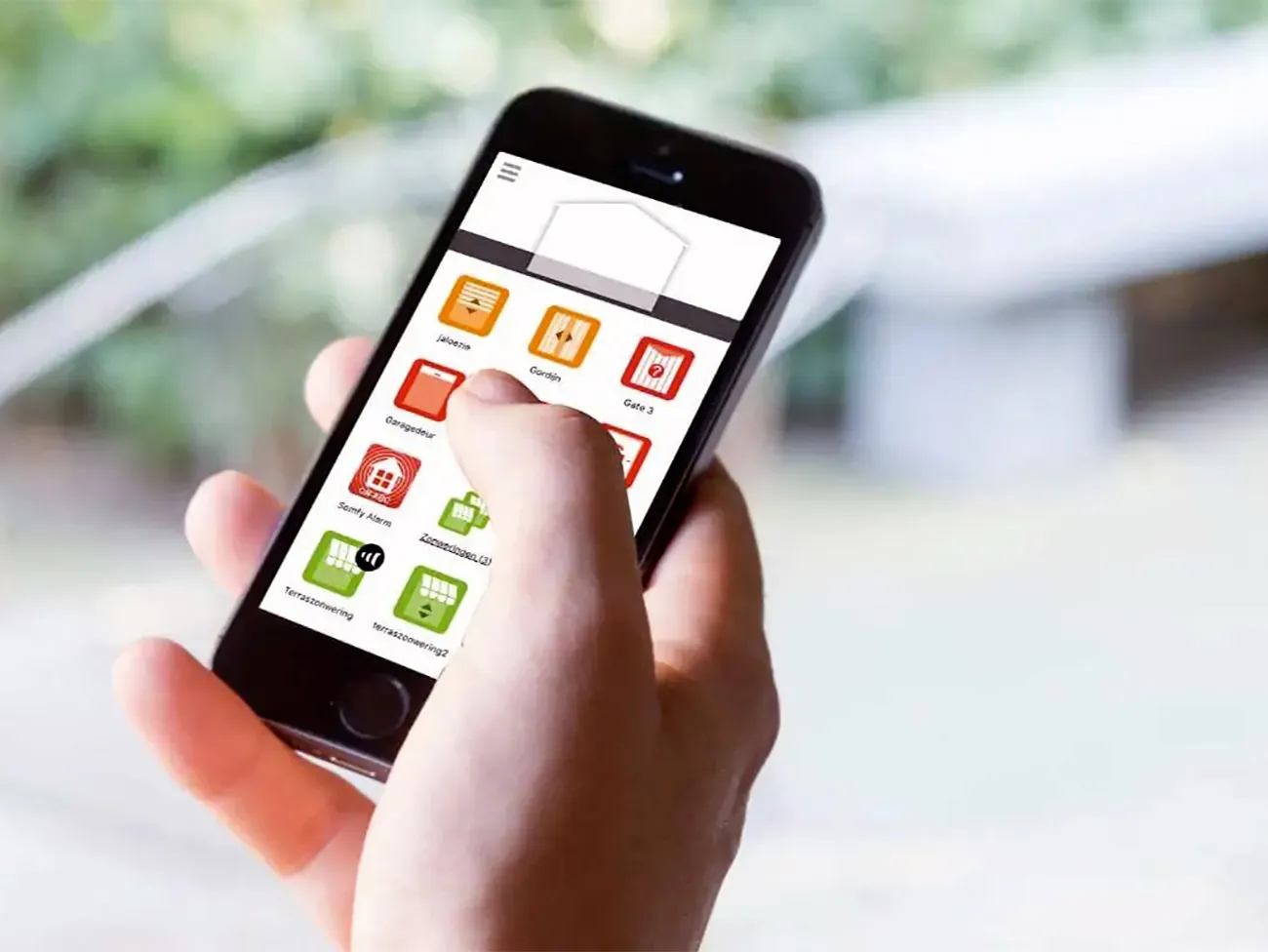
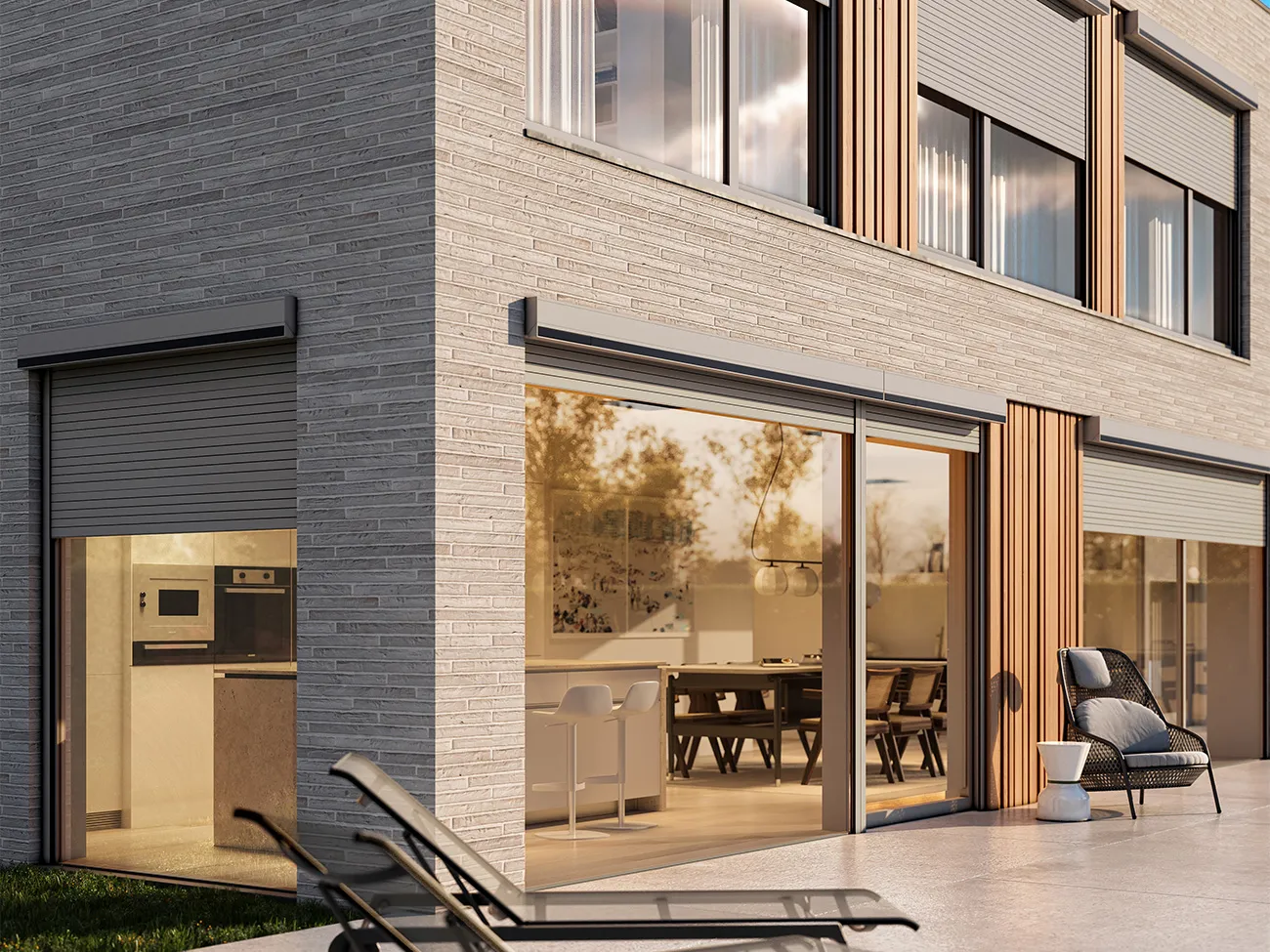
“Products at that time included roller shutters, folding arm awnings, drop arm awnings, marquees, outdoor blinds, etc. The range depended on local building traditions. Most products were operated manually or by motor, but Smart Solar Shading was not yet a thing, and policymakers had no interest in it.”
Nowadays, sun protection has taken on a completely different position and role, hasn't it?
“Since 2005, the sun protection sector has undergone a veritable revolution. This is also evident from the fact that we now have twelve national professional associations in Europe. Interest is also gradually growing in Eastern Europe, where we hope to welcome Poland as a new member in 2022. In Southern Europe, sun protection has been used for a long time, but companies still lack the will to represent the industry collectively and communicate collectively to the various target groups, in addition to their individual business interests. In countries where there is not yet a strong, representative association for sun protection, larger representative companies can represent their country within ES-SO, pending the establishment of a professional association that can become a member.”
‘ES-SO and its member organizations work together as a tandem and reinforce each other.’
“From the outset, ES-SO's goal has been to promote the recognition of solar shading as an essential factor in energy-efficient construction, as a cost-effective tool that reduces energy consumption and CO2 emissions. ES-SO was therefore established at a time when European energy regulations were being developed, the most important of which was the European Directive on the Energy Performance of Buildings (EPBD), first drafted in 2002, amended in 2010 and 2018, and now again. The EPBD has truly revolutionized construction practices!”
“ES-SO has actively followed European regulations, produced position papers, and established contacts with policymakers to bring sun protection more explicitly into the European EPB (Energy Performance and Indoor Climate, ed.) standard. To this end, ES-SO has commissioned various studies to effectively demonstrate the potential energy savings and CO2 reduction achieved through the use of sun protection in European buildings. Examples include ESCORP from 2005, Sonnergy from 2015, and most recently, in response to another upcoming revision of the EPBD directive in 2022, the Guidehouse study from November 2021.”
“Legislative work on energy saving begins at European level. ES-SO adopts positions on these issues, which are then presented to European policymakers. These position papers are then translated by the members so that they can be further integrated into national policy. One example is the recent paper in response to the upcoming revision of the EPBD: Automated solar shading, a key solution to reach 2050’s decarbonization goals for the European building stock. (http://es-so.com/new/356-es-so-position-on-epbd-revision-2021, Earlier this year, ES-SO also published a position paper on the European Renovation Wave. (http://www.es-so.com/images/downloads/Papers%20downloads/ES-SO-paper_Renovation%20Wave.pdf, ed.)”
What has changed, what is ES-SO's new role?
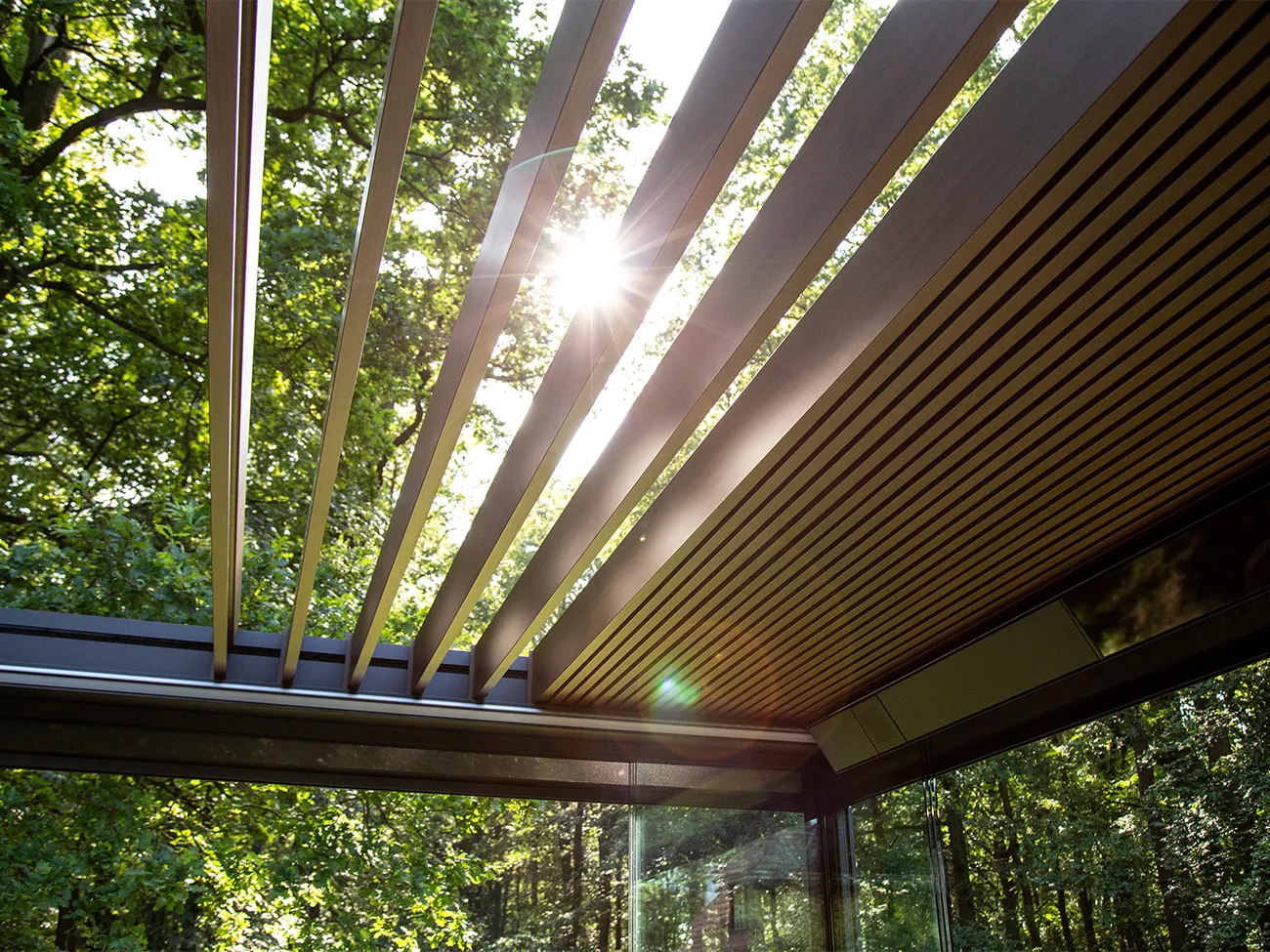
“ES-SO is steadily working to get companies in the sun protection industry in Europe to pull in the same direction. The potential for sun protection is huge, as shown by the latest Guidehouse study (see web link above, ed.). Sun protection has a bright future ahead of it; growth has been strong in many European countries for several years now. COVID has also brought about a change due to mandatory working from home. As a result, in addition to thermal comfort, visual comfort is also becoming much more important, because working from home means that the comfort requirements of the office environment are being projected onto the home environment.” υ
“ES-SO operates on the basis of strategic objectives that are reevaluated after three years. ES-SO has four committees for this purpose: Technical, Training, Advocacy, and Marketing, each of which has its own action plans but also works together.”
“The Technical Committee consists of around thirty experts from the largest European companies and monitors the standards for sun protection and roller shutters, which already have a broad framework. In addition, ES-SO also conducts its own studies to implement improvements and fill gaps. It is very important to establish standard agreements on how sun protection is used – control strategies or solar shading manual, motorized, automated – which will be integrated into a new international ISO standard – dynamic building elements. This standard is expected to come into force at the end of 2022. Many countries are waiting for this because automatic solar shading will then be much better appreciated in EPB regulations, but also in construction-related software used by engineers and architects. Currently, this software takes absolutely no account of the real possibilities of intelligent solar shading. Such software often uses old climate data or assumes a greatly reduced impact of sun protection because incorrect usage factors are applied. This is because such software lacks the correct algorithms to fall back on. That is why a new ISO standard can help to achieve a more optimal Technical Building System.”
“Many countries lack proper training in solar shading. It is also not easy to communicate the many benefits of solar shading, both outdoors and indoors, to end users or construction professionals. To support solar shading professionals, ES-SO launched the ES-SO Academy in 2018, which organizes training courses for smart solar shading advisors and experts. These training courses are evaluated annually by the ES-SO Training Committee and, where necessary, provided with new study materials. Online training courses will also be launched in 2022. Sun protection installers or other sun protection professionals who successfully complete a training course receive an ES-SO certificate and their company is allowed to use the ES-SO-protected smart solar shading logo. The latter is greatly appreciated: sun protection specialists see it as a means of promoting their professionalism.”
“The Advocacy Committee analyzes European regulations and develops policy papers for advocacy at the legislative level. Examples include recent papers on the renovation wave and the revision of the EPBD.”
“The Marketing Committee works together with the other three Committees and ensures that knowledge within the ES-SO community is communicated in a way that is understandable to everyone. Joint communication is essential, because the sun protection industry is still quite fragmented and every company expresses things differently. ES-SO tries to convey the message of the sun protection industry as effectively as possible. ES-SO's LinkedIn page, created in 2020, has now exceeded 1,000 followers. ES-SO had also planned a seminar at R+T 2022 in Stuttgart, but unfortunately the trade fair has been canceled. Instead of the seminar, webinars will now be organized.”
“We have now reached a historic moment for our sector and have the wind in our sails. Just think of the Green Deal, climate change, the awareness among the general public that things need to change drastically, and the fact that intelligent sun protection—despite climate change—can neutralize the strong growth in the use of air conditioning and thus ensure a significant reduction in CO2 emissions. Personally, I am very happy to be active in the sun protection sector and to be able to contribute to improving climate targets and ensuring natural comfort and well-being. Isn't that what it's all about?”
‘We have now reached a historic moment for our sector and have the wind in our sails.’
What is needed to enable the sun protection sector to fulfill its role within the construction industry and society? In terms of knowledge and training?
“Thanks to our Training Committee, with representatives from the countries represented in ES-SO, we develop up-to-date training packages for sun protection professionals, but we also focus on architects and other construction professionals because they are often insufficiently aware of what sun protection can do. With the Technical Committee, we ensure that standards remain up to date or are tightened up so that all sun protection solutions can be taken into account in a construction project.”
In terms of skills?
“By taking training courses, sun protection professionals improve their skills. They also have more guidance because the courses are based on bringing together studies on the benefits of sun protection from different European countries. Countries that implement the ES-SO Academy continue to eagerly request training courses. I would say, definitely participate! All this knowledge gives sun protection professionals the tools to naturally convince end users, as well as construction professionals, of the usefulness and importance of sun protection.”
In the field of product development?
“The sun protection industry has developed many new products in recent years. Consider, for example, the strong development of outdoor living or screens and their improved efficiency. Sometimes it is more a question of finding the right calculation and/or testing methods to demonstrate the efficiency of sun protection. In addition to energy efficiency, the environmental impact of building products and materials is also becoming increasingly important and embedded in regulations. Here too, ES-SO wants to make its member countries aware of this, so that we as an industry can take further steps. Our products are sustainable and locally produced in Europe in 99% of cases. They provide a substantial reduction in energy consumption and increase comfort. Their implementation will result in cost savings of almost 15 billion per year on the installation and operation of air conditioning by 2050... What more could you want?”
In the field of automatic control?
“ES-SO is already making excellent progress in this area. Take, for example, our proposal for control strategies in a new ISO standard. An important study, which reviews numerous possibilities, has been completed by the ES-SO Technical Committee and will form the basis of this ISO standard.”
Is the construction industry sufficiently aware of the importance of sun protection?
“ES-SO and its members are each working at their own level—European and national—to develop communication about the importance of solar shading, based on scientific evidence. The fact that buildings must be able to withstand global warming is slowly sinking in with legislators. The Guidehouse study is a very recent and extremely important tool that demonstrates the role that solar shading can play in a long-term strategy towards 2050. This study is now being disseminated, first with a position paper and then with other forms of communication to the industry and a wider audience. υ
“The construction industry is becoming increasingly aware of the need for sun protection, partly due to regulations, for example because more and more legislation includes an overheating indicator, which stipulates that buildings cannot be constructed without sun protection. Architects must be aware that they need to integrate sun protection into the design phase. It is therefore important that they understand what sun protection can do and then choose the right solution. This means that training is also needed for construction professionals, just as it is for engineers who use software to simulate the energy efficiency of a building. There is still a lot of work to be done in this area. After all, overheating is assessed at the building level, while it occurs in local spaces. In addition, the effect of sun protection must also be properly assessed in terms of thermal and visual efficiency, but also in terms of operation.”
“Sun protection must be included from the initial design stage of a building, rather than as an afterthought when overheating becomes apparent. With more training, sun protection experts can take a stronger stance and be involved in the design process from the outset. However, regulations and the software used also need to be improved in a number of countries. That is why ES-SO is calling for sun protection to be given the same status as air conditioning at European level and to be the first solution for tackling overheating, with air conditioning only coming second if additional cooling is required.”
What can the sun protection industry do to raise awareness, if necessary?
“Communication, communication, communication... Various forms of clear communication at regular intervals that must be repeated continuously. Think of webinars and information sessions, which are also open to stakeholders from the construction industry. ES-SO prepares the communication that the affiliated trade associations translate and use at their own national level. In addition, what ES-SO does encourages the affiliated trade associations to take action themselves. Thanks to the experience that ES-SO members share with each other, other countries are following suit.”
What are the future prospects for sun protection and the sun protection sector? Are there any obstacles? Perhaps staffing issues?
“The need for sun protection is growing steadily. We can certainly increase our turnover tenfold. But to do so, we must continue to develop, for example by improving the automation of sun protection systems and providing users with reports on the energy savings achieved.”
“Staffing is the biggest bottleneck for the sun protection industry. Materials and raw materials are also an issue, but that applies to the entire construction sector. The industry must be open to hiring employees from outside the sector. Training can be provided! Working in sun protection is a great profession with a future, because it is part of the energy transition. Working in a more attractive sector that contributes positively to the future of ourselves and our children!”
Is cooperation with and/or integration into other sectors conceivable?
“Sun protection is a natural partner for glass, because it can ensure that large glass surfaces can still be used in energy-efficient buildings. Sun protection also goes hand in hand with ventilation—such as natural night ventilation—to tackle the problem of overheating. However, all studies clearly show that sun protection should be used as the primary means of preventing overheating. The other technologies require energy anyway, except for natural night ventilation, but that option will be less effective/frequently applicable in the future due to global warming.”
“Cooperation with the air conditioning industry is certainly also possible. Compare the Guidehouse study, which shows that by intensively applying automatic sun blinds to 70% of buildings in Europe, we can maintain the use of air conditioning at current levels until at least 2050. Incidentally, it should be clear that even energy-efficient air conditioning is always less favorable than a solution that does not use any energy. After all, any energy consumption—even if the energy comes from renewable sources—will have to be judicious in terms of energy conversion. Moreover, it should not be forgotten that the heat dissipated by air conditioning will increase CO2 consumption again. This also applies to heat pumps used for cooling. Policymakers are not yet really aware of this effect.”
“It is no longer an either/or situation: first, dynamic sun protection must be used that can respond to overheating in the warm seasons or free solar gains in the cold seasons. For proper operation, it must be fully automated and, of course, it must use green energy for this purpose.”
“ES-SO regularly consults with representatives of the European window industry. Where possible, we produce joint position papers, for example on the energy balance of windows and the importance of daylight.http://es-so.com/new/eu-directives/342-implementing-the-amended-epbd-needs-a-proper-assessment-of-windows, ed.)”
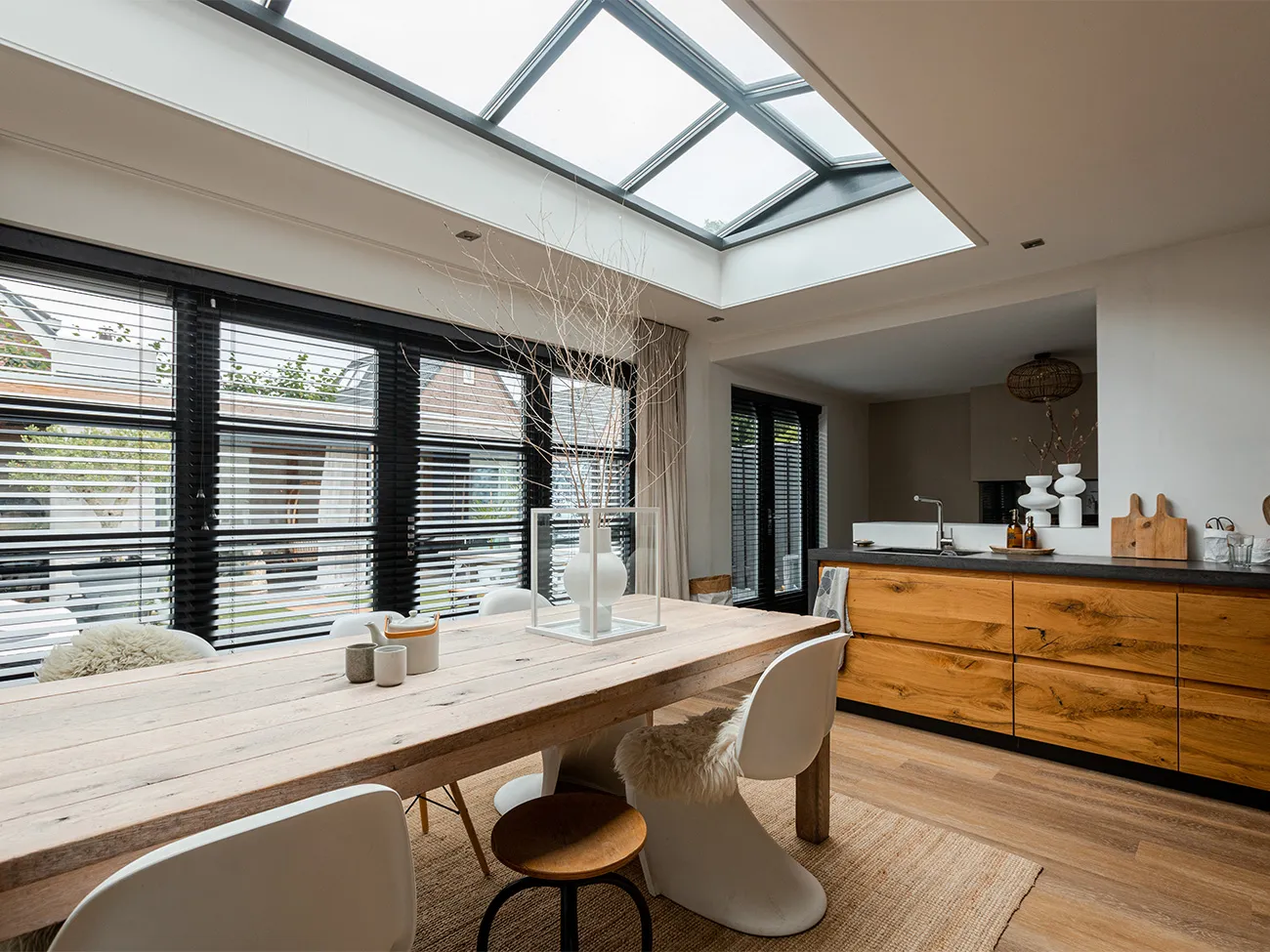
“Finally, integration with other sectors is not the right answer. What is important is the realization that technology does not stand alone, but is always holistic and interrelated with other technologies. The combination is greater than the sum of its parts. The architect plays a very important role in this because he or she must come up with a good concept that takes into account a dynamic building envelope. Sun protection—automatic sun protection—must be part of this. This way, the need for daylight can always be optimized, whether the sun is shining or it is gray and cloudy all day. With large, bright windows with optimized, dynamic sun protection, everyone feels better!”
‘Large, bright windows with optimized, dynamic sun protection make everyone feel better!’
Question about this story? Ask your question
Keep following this
Get an email when a new story is published. No account needed.
- ThemeDoing business in the solar shading industry
- SubjectYearbook