






Shading prevents heat stress
Text Jean van PolImage Louwers Mediagroep
Overheating of buildings is an increasing problem, exacerbated by climate change and increasingly intense summers. Modern, well-insulated buildings with large areas of glass are especially vulnerable. Whereas insulation and airtight construction are primarily aimed at keeping heat in during winter, they pose a risk in summer. Heat once it gets inside is difficult to escape. Effective shading offers a practical and sustainable solution.
The importance of preventing overheating should not be underestimated. Excessive indoor temperatures lead to physical discomfort, decreased concentration and productivity, and in some cases even health complaints, such as dehydration, headaches or sleep disturbances. This applies not only to homes, but also to schools, offices and healthcare facilities. Moreover, overheating often causes additional energy consumption, as users turn on air conditioning or fans more frequently.
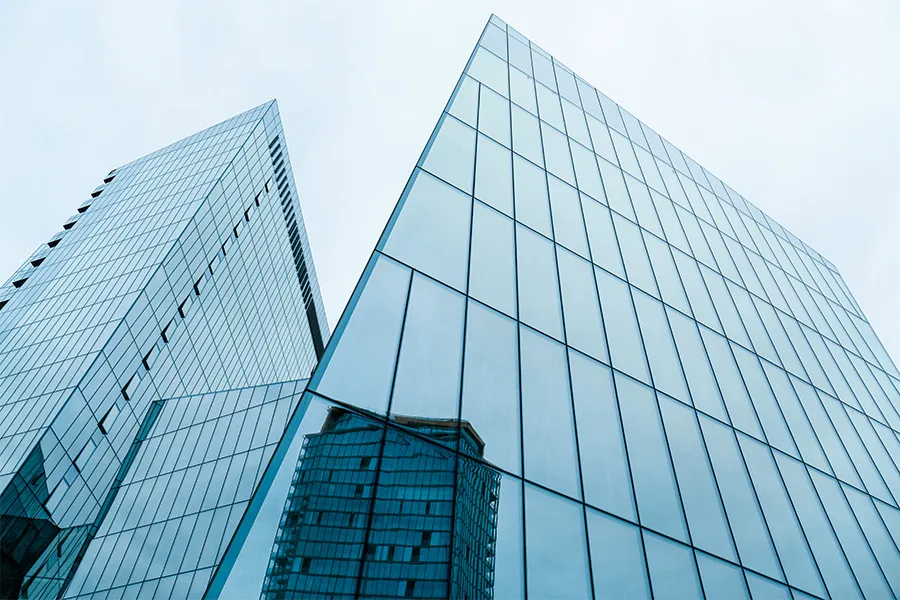
Energy Savings
Solar shading prevents overheating by blocking solar radiation before it reaches the glass surface. This keeps heat out immediately, even before it has a chance to heat up the building. Research shows that effective exterior shading can reduce interior temperatures by as much as 5 to 7 degrees. That difference not only means more comfort, but also a significant reduction in energy consumption for cooling - and therefore lower energy costs and a smaller carbon footprint.
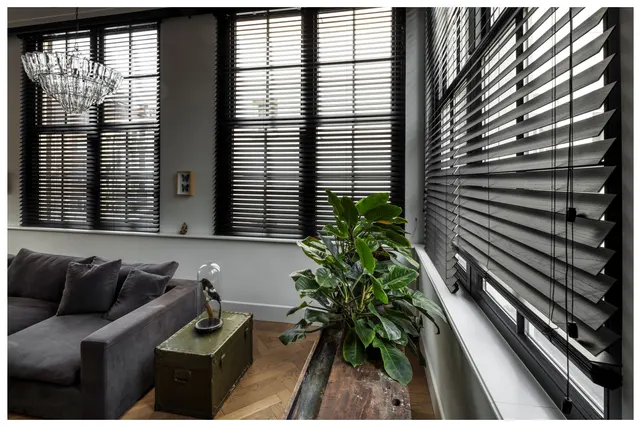
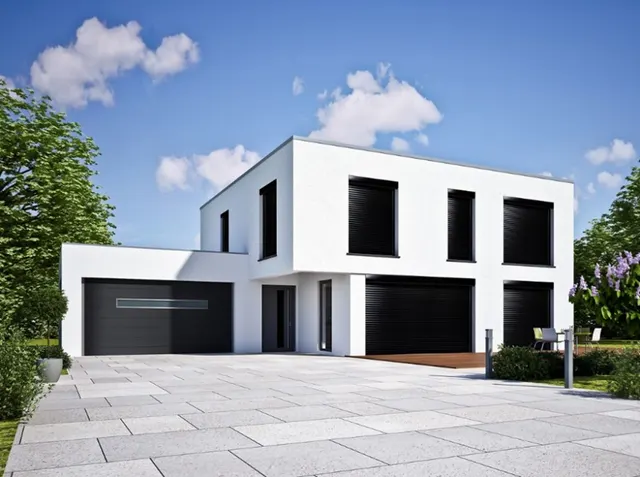
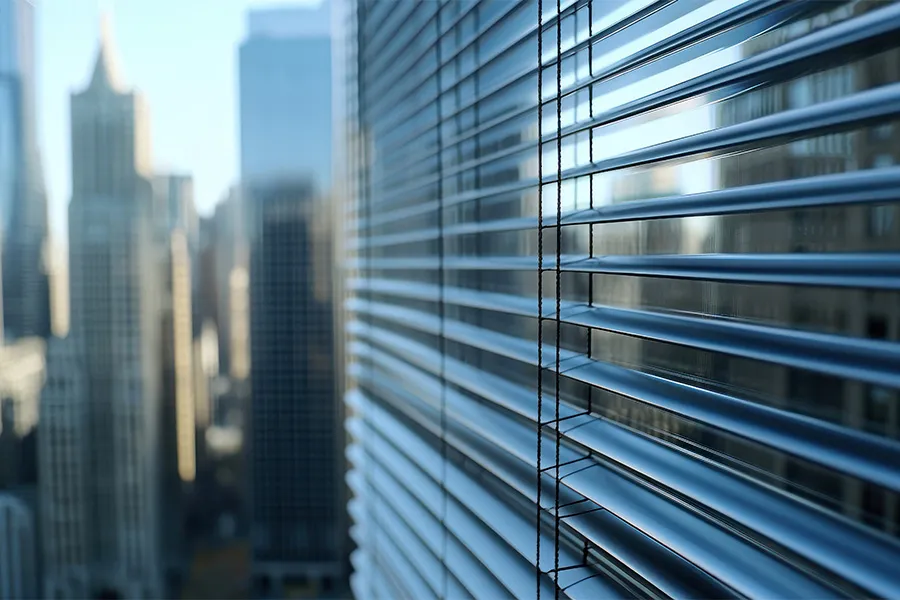
There are several solutions to prevent overheating. Screens efficiently keep out solar heat while maintaining an outside view. This is ideal for living rooms or offices where daylight is desired. Exterior blinds have the added benefit that their slats are adjustable, allowing the user to regulate the amount of light and heat.
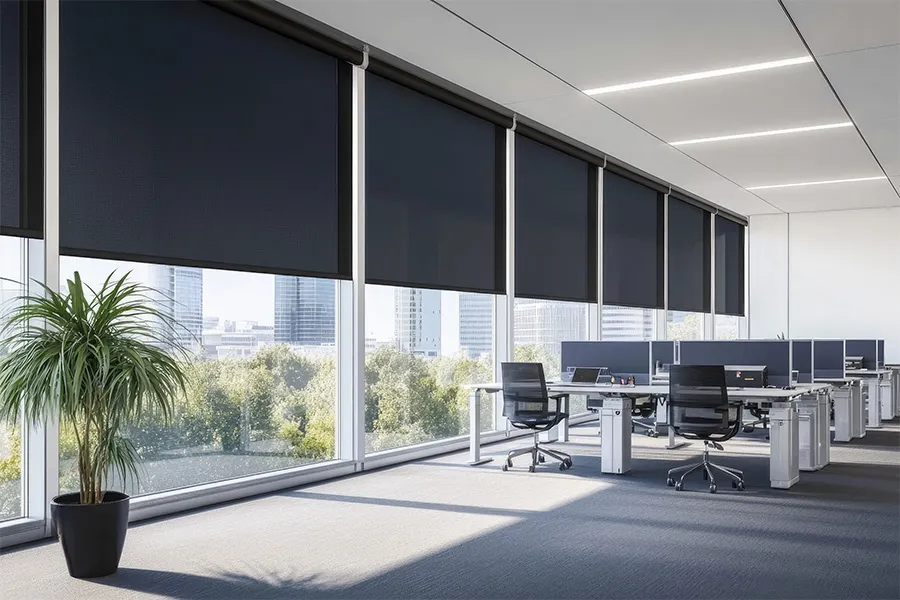
Smart systems
Innovation is playing an increasing role within the shading industry. Smart systems, coupled with sensors and building management systems, can automatically adjust to the sun's position and light intensity. They react in real-time to changing conditions, such as the sun's incidence or a sudden drop in temperature. As a result, they always operate optimally and continuously deliver the highest performance in terms of comfort and energy efficiency. This automation also contributes to ease of use and consistent energy management.
Sustainable building
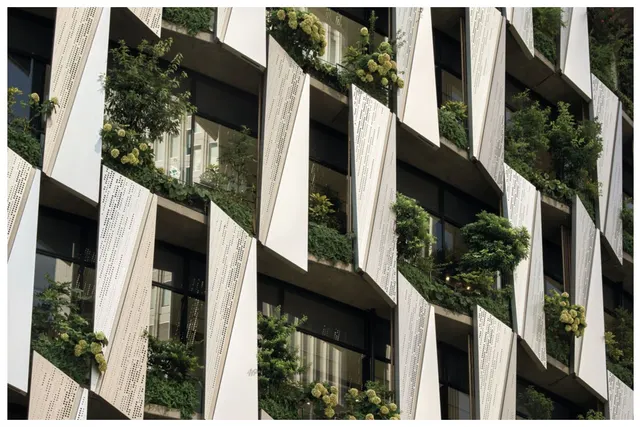
The role of solar shading in the design stage of buildings is also receiving increasing attention. Architects, developers and construction companies are recognizing that solar shading is not an optional add-on, but a full-fledged part of sustainable construction. By involving shading specialists early on in the design process, the right systems can be aesthetically and functionally integrated into the façade or structure. This prevents costly retrofitting and guarantees a better end result.
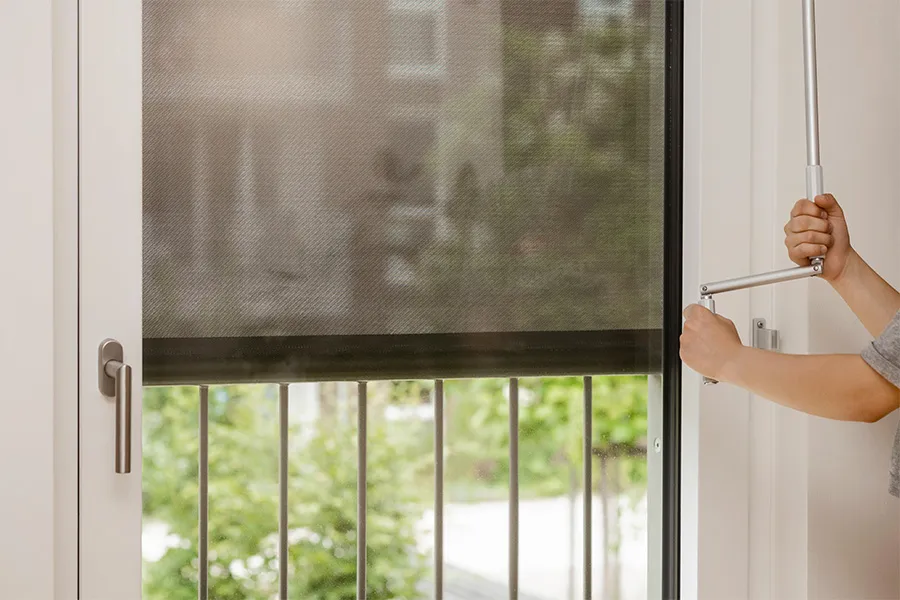
Material Innovation
In addition to technology, material innovation is also very important. New coatings, weather-resistant fabrics and durable plastics extend the life of solar shading products and improve their performance. Reflective materials allow solar radiation to be reflected back more efficiently, further reducing heat absorption.
Opportunities abound for the solar shading industry. The growing awareness around climate adaptation, sustainability and indoor climate comfort, combined with stricter regulations and energy standards, increases the demand for well thought-out solutions. Companies that focus on innovation, collaboration with the construction column and knowledge sharing can clearly present themselves as indispensable partners in sustainable building practices.
Future-proof climate policy
Preventive solar shading is not a luxury, but a necessity in today's construction. With smart technologies, innovative materials and early integration into the construction process, solar shading offers a powerful solution against overheating. Thus, the industry contributes to more comfortable living, energy-efficient construction and a future-proof climate policy.
Question about this story? Ask your question
Keep following this
Get an email when a new story is published. No account needed.
- ThemeSolar shading against heat and energy loss
- SubjectGeneral