






More than two-thirds of Dutch need more energy-efficient home
In huis volledig comfortabel voelen is voor 84% van de Nederlanders één van de beste gevoelens die bestaan. Maar extremere temperaturen tijdens de winter- en zomermaanden kunnen dat gevoel wegnemen.
Feeling completely comfortable in your home is one of the best feelings that exist for 84% of the Dutch. But more extreme temperatures during the winter and summer months can take that feeling away. After all, homes in the Netherlands are not built for high or just low temperatures, two in five Dutch people (41%) believe.
The findings of the study, published by VELUX, show how much influence temperature can have on people's home comfort. Rising housing and energy costs play a major role in this: Dutch people find it difficult to make their homes comfortable and energy efficient at the same time. Two-thirds of respondents say they need a more energy-efficient home.
Although Dutch homes are not always yet designed to handle extreme temperatures or unusual weather patterns, VELUX believes that every home should feel comfortable; a home is a home base where people prefer to be. A favorite place.
Marcel Vreeken, Public Affairs Manager at VELUX Netherlands, says: "In the future, it looks like we will be facing more and more outliers in temperatures in winter and summer. That's why it's important to help residents protect their homes from this. Homeowners have several options for reducing energy consumption and protecting both the environment and their own wallets.
Therefore, VELUX aims to provide actionable advice and solutions that enable homeowners to achieve a comfortable indoor climate during hot and cold periods in a cost-effective and energy-efficient manner. We also do this through the Healthy Indoors platform where a lot of information and practical tips can be found."
Energy-efficient ways to keep indoor temperatures comfortable:
- Check the existing windows: Without energy-efficient measures, much heat and energy can be lost through seams and cracks of poorly closing windows and doors. For example, a cost-effective and easy solution to reduce heat loss in the short term is to seal windows and doors with draft strips or brush seals.
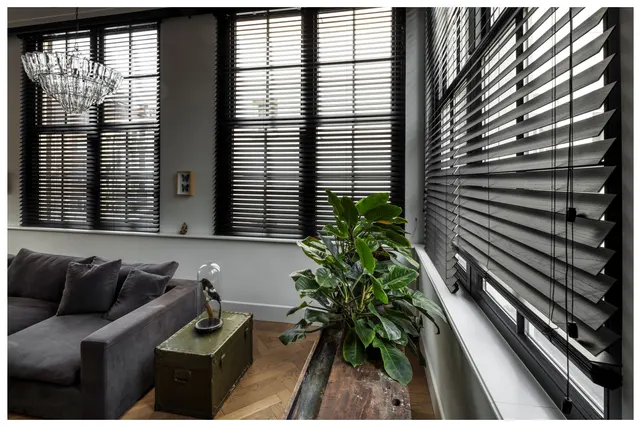
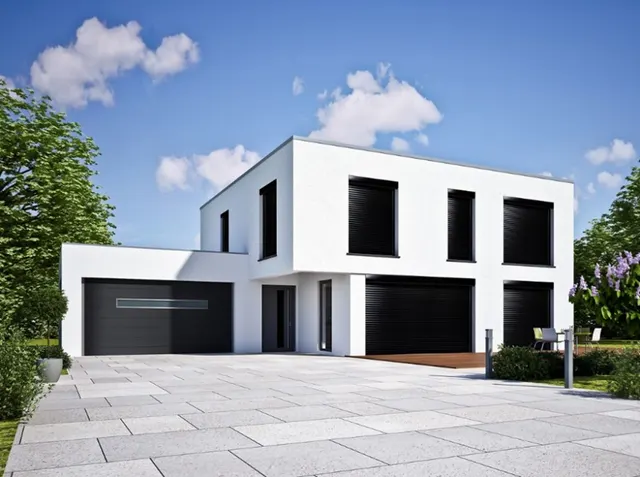
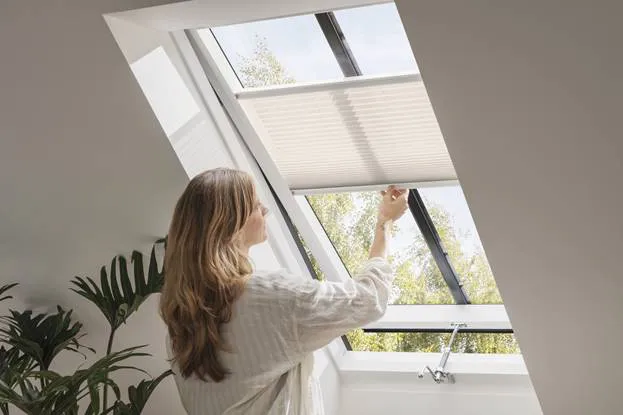
- Use window coverings: with the right window coverings, you can balance the temperature in the home. Blackout pleated blinds, particularly metallized honey-grade textured pleated blinds, can be installed as an additional insulating layer in front of insulating glass. This prevents energy loss. Appropriate exterior protection, such as blinds or shutters, can limit heat loss in winter and significantly reduce excessive heat in summer.
- Ventilate: a Good room temperature goes hand in hand with good ventilation. But don't leave windows or doors open for more than 10 minutes during the heating season.
- In winter, schedule short, controlled ventilation moments at set times.
Turn on the heating only in the rooms where it is really needed and keep the doors closed in these rooms to avoid losing heat and save heating costs.
- During hot summer days, close the windows and leave the blinds down.
Heat can enter through windows and accumulate indoors. Therefore, prevent overheating during the hot summer months by keeping curtains, blinds or shades closed during the day. Cool the home with the cooler evening air by routinely opening the (skylight) windows before bedtime. Heat will then be expelled from the home, making it feel more comfortable and cooler.
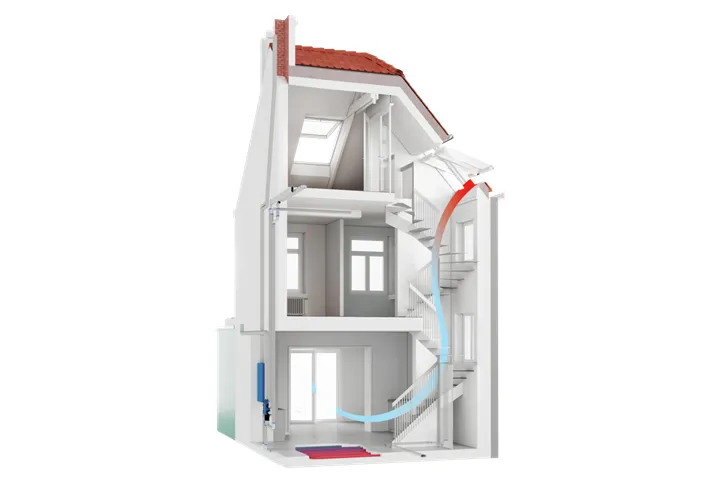
- Create thermal draws: by combining windows or so-called summer night shutters in the facade on the first floor with opened skylights, thermal draft is created: cooler air enters through the facade and warm air is expelled from the house through the skylights. This natural form of cooling is much more sustainable than installing an air conditioner, for example - the currently most common investment to achieve a comfortable temperature in the home, according to the homeowners surveyed in the study.
- Harness the power of the sun: those doing energy-saving roof renovations can also consider using the roof surface for photovoltaic (PV) or solar thermal energy. This way, you are less dependent on energy prices or energy availability. By including daylight openings in the roof when installing the PV panels, the sun warms the space created under the (pitched) roof.
- Make use of the Investment subsidy for renewable energy and energy conservation (ISDE): With the ISDE, the government makes various subsidies available for insulation measures, such as roof insulation or glass insulation. These are already applicable for one insulation measure where sometimes as much as 15% of the insulation cost can be paid out in subsidy. For a second insulation measure, this subsidy amount for the first measure can reach 30%.
A favorite place
As a specialist in daylight and fresh air, VELUX offers not only advice but also sustainable product solutions to create a comfortable place at home even with extreme temperatures. Recently, for example, VELUX launched a new collection of blinds, the Nature Collection, which consists mainly of recycled materials. With these blinds you bring the peace and tranquility of nature into your home, while also regulating light, temperature and privacy in your home.
Whether it's a small accessory or a renovation, VELUX can help regulate the indoor temperature and make your home a favorite place in any temperature. This favorite place, your home, is designed to last. In fact, a VELUX skylight has a long lifespan of more than 30 years with normal use.
Question about this story? Ask your question
Keep following this
Get an email when a new story is published. No account needed.
- SubjectGeneral