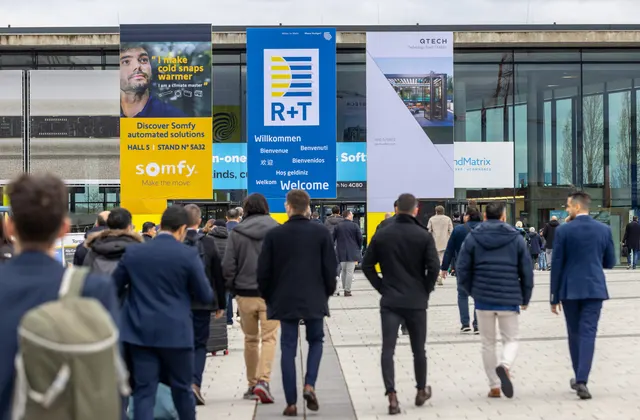





Heimtextil bets on sustainability
Textielbeurs Heimtextil koos dit jaar voor duurzaamheid als centrale thema en onder dezelfde paraplunaam werden ook de te verwachten trends gepresenteerd. Maar duurzaamheid wordt nogal breed geïnterpreteerd en is soms slechts een dun groen laagje.
Increasingly smaller role for interior blinds and window coverings
Textile trade fair Heimtextil chose sustainability as its central theme this year, and under the same umbrella name the expected trends were also presented. But sustainability is interpreted rather broadly and is sometimes only a thin green layer.
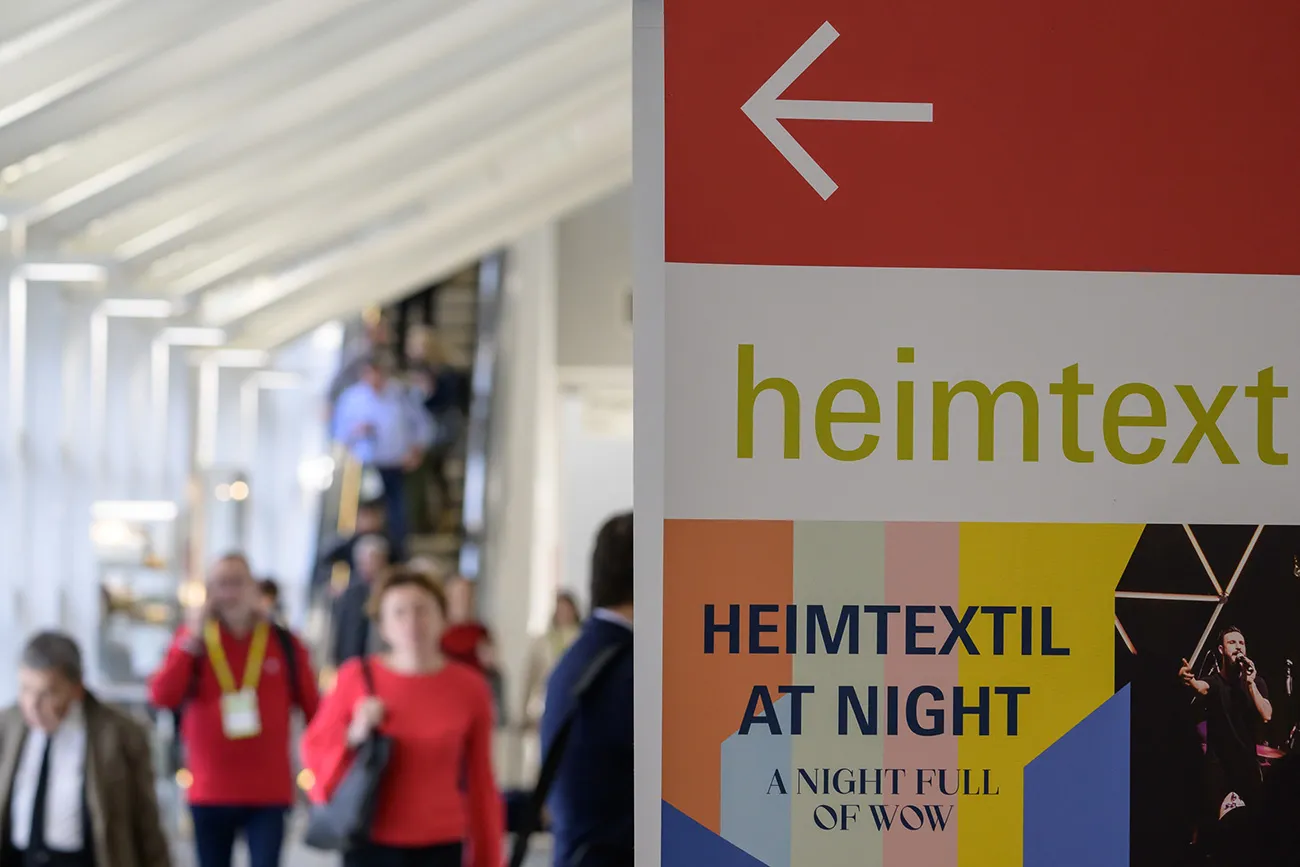
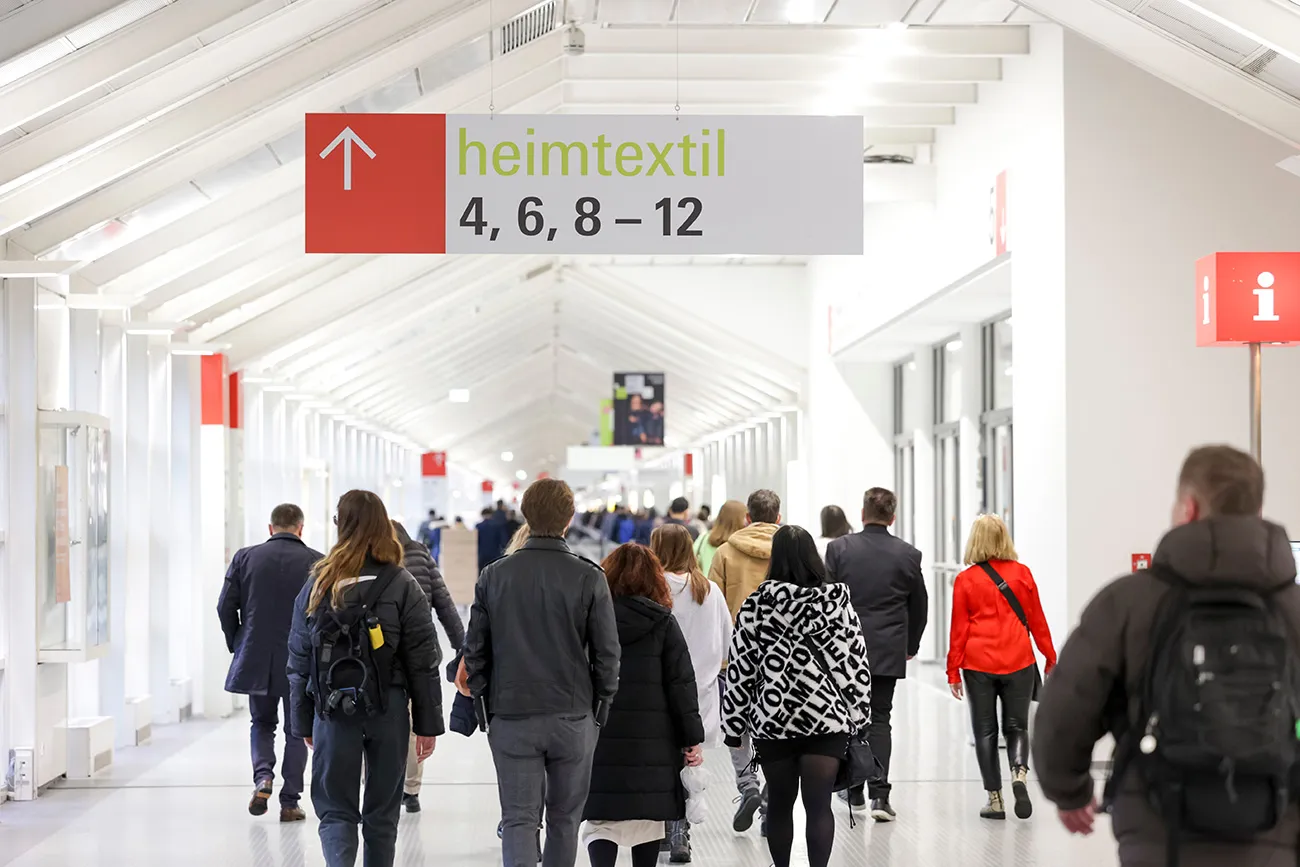
The overall picture for the Heimtextil held in Frankfurt in early January is positive. There were fewer exhibitors (2,400) and fewer visitors (44,000) than before, but that was to be expected in the wake of the corona pandemic. In addition, on the opening day of the fair Jan. 10, a negative corona test became mandatory for visitors from China arriving by air, so it was to be expected that the number of Chinese visitors would be small. Nevertheless, many exhibitors appeared to be quite satisfied with the fair because, it was commonly reported, there were fewer visitors, but they came in a very focused way and there were relatively few "passers-by" of no use.
Exhibitors from the Far East
Most visitors came from Europe, but that does not include exhibitors. China (429), India (382), Turkey (321) and Pakistan (269) made up the top four in this with Italy (146), Germany (144) and Spain (106) following at a distance.
It does not play out equally in all countries, but many companies realize that fabric production is quite environmentally damaging. At the fair they announced that they have fabrics made from recycled PET bottles, that they produce using solar or wind energy, that organic cotton is used and that x percent waste reduction has been achieved compared to so many years ago. All fine initiatives, but inquiring with several trade show attendees revealed that the greening is actually rather less than that.
Sustainability central theme
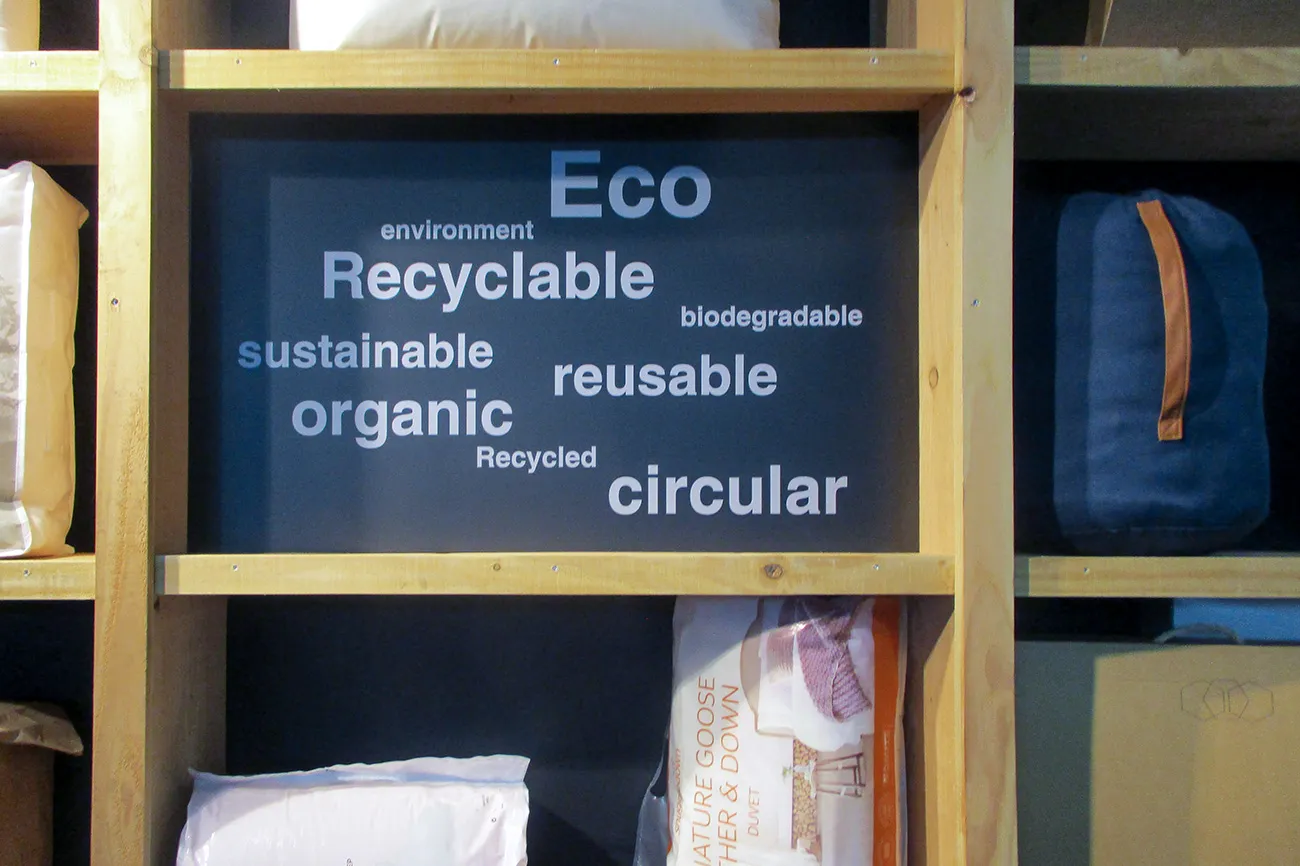
Nevertheless, the fair organizers made "sustainability" the central concept of the fair. A spectacular trend show included furniture made from discarded textile scraps and textiles made from coconut waste, pineapple leaves, mushrooms and other not immediately obvious natural materials. And what about leather made from fish skins. Also on display were numerous examples of natural dyes.
Many exhibitors nowadays wave labels that are supposed to make it clear that they produce in an environmentally friendly way. What all these labels stand for is not always clear, and just a little too often you get the feeling that there is a little too much greenwashing going on. But the direction is clear: production will have to be much more careful in the future.
Insulating products
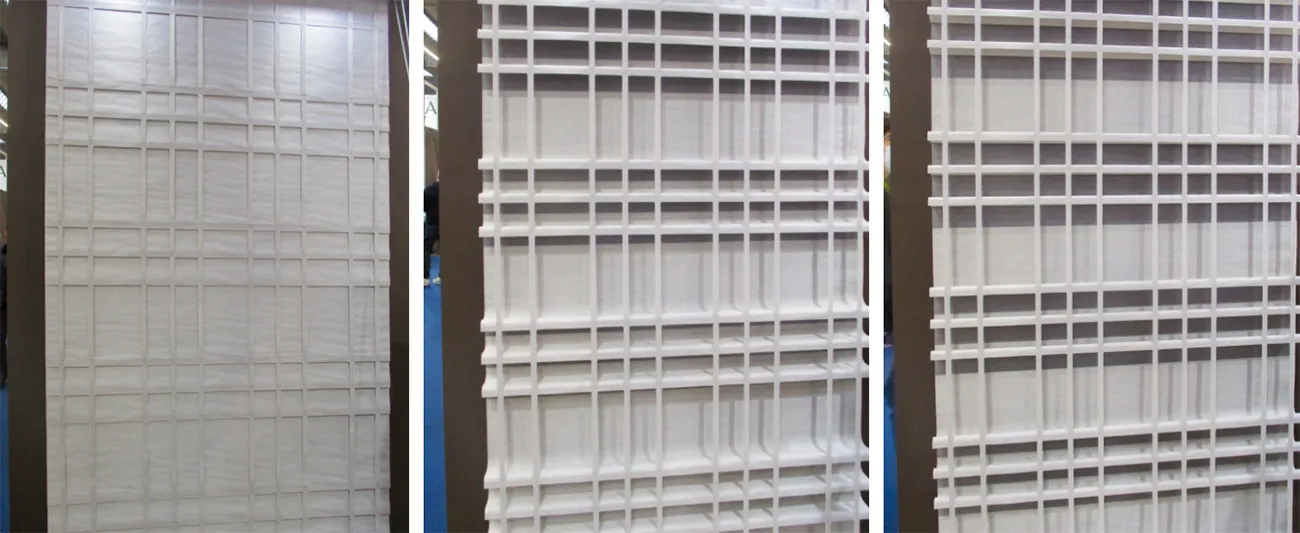
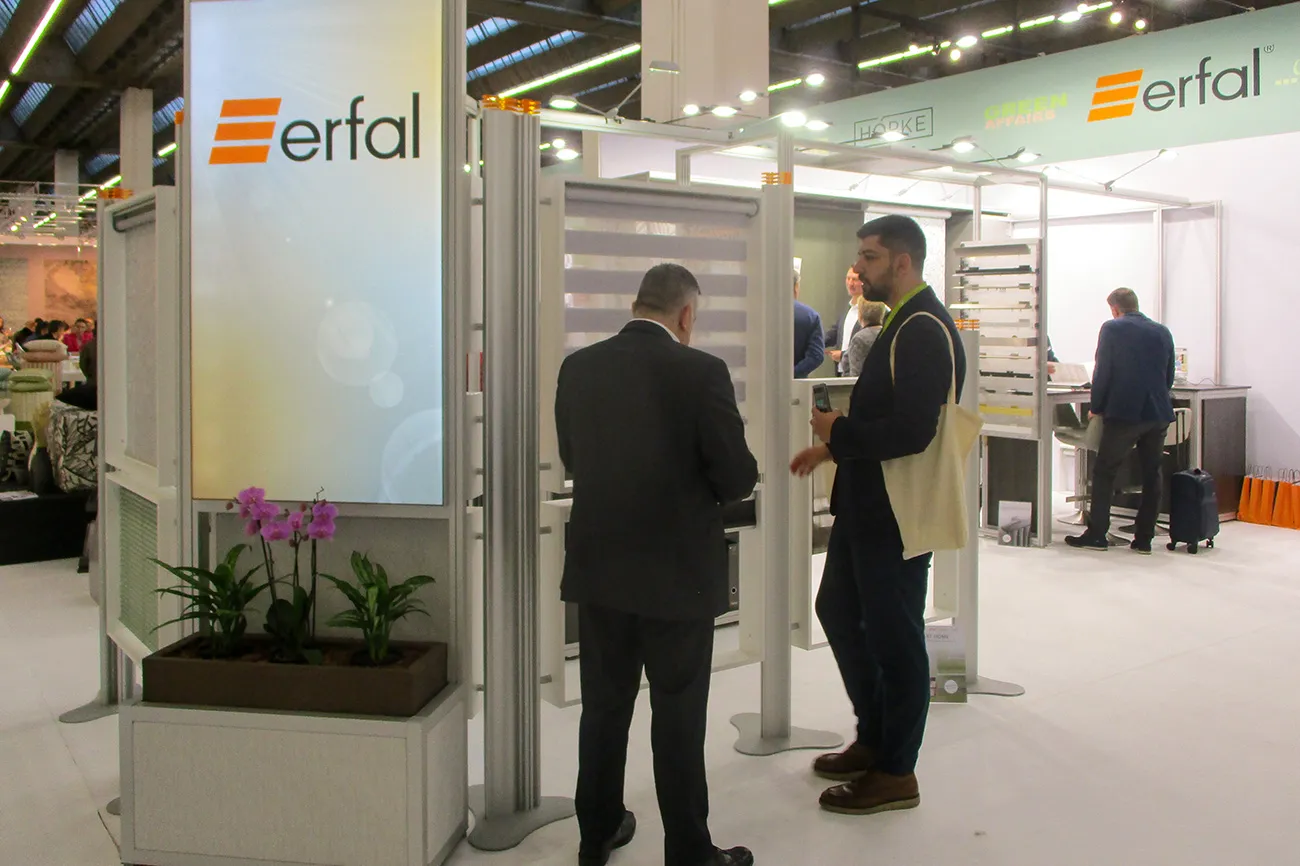
At the fair, the high energy prices were hardly addressed, read: how to save energy with certain products. Remarkable, because in the Netherlands, thick curtains were hard to come by in the autumn and in Germany, too, the increased energy costs are/were well felt. Erfal showed a honeycomb plissé with aluminum on the inside that could lead to 7% energy savings. Not a new product, but dropped forward again for the occasion.
Incidentally, erfal, together with MHZ, was one of the few real awning companies at the fair. For years, both had their own stands at Heimtextil, but now they opted for a stand under the banner of Decoteam, a long-standing partnership of some ten German companies that jointly organize their own trend presentations during trade fairs.
Inexpensive solution
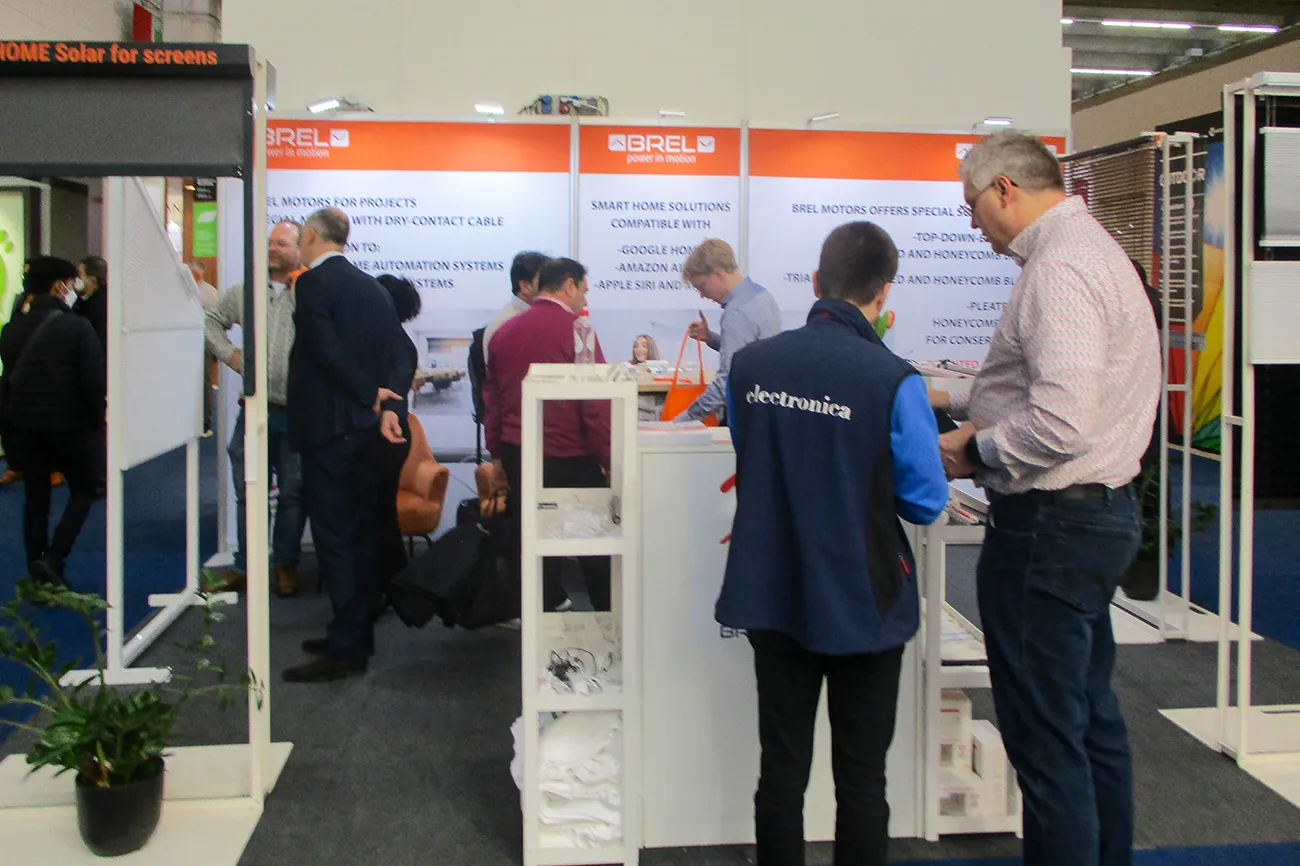
BREL, as a supplier of motors, has been a regular at Heimtextil for many years and one of the few remaining. No novelties, but director Erik Budding did briefly show how they are responding to the long-running demand for smart home products. Among other things, he showed a motor for pleated blinds, roman blinds and Venetian blinds with an extra cable for voltage-free switching. By means of a switch, give a pulse so that voltage is momentarily applied to it, allowing you to control the product. According to Budding, it's a cheap solution and the advantage is that you don't need a thick power cable. It's not rocket science, but at the trade show visitors were watching with interest.
Curved rail
Forest is also a motor specialist and especially for controlling curtains, mostly for large hotels. In hot countries, these can effectively keep the heat out and open, for example, upon entry. The company grew big with the KS curtain track and has expanded its position over the years to include curved rails, rails in various colors and various motor controls. "It may look simple, but it's not. We have a few people permanently on R&D for a reason," said marketing manager Dennis Hutjes.
Velcro
A similar story applies to Vako. The Den Bosch-based company makes seemingly simple products for roller blinds, roman blinds and other indoor solar products. "We are European market leader in roman blinds systems and have spent a lot of time developing child-friendly systems. We have several patents for this," says sales manager Jeroen Abelen. At Vako, about five people are working on product development, which he says sometimes goes very far. "You have folding curtains that are fastened with Velcro and that sometimes comes loose. We have developed a special glue that prevents that from happening.
New factory
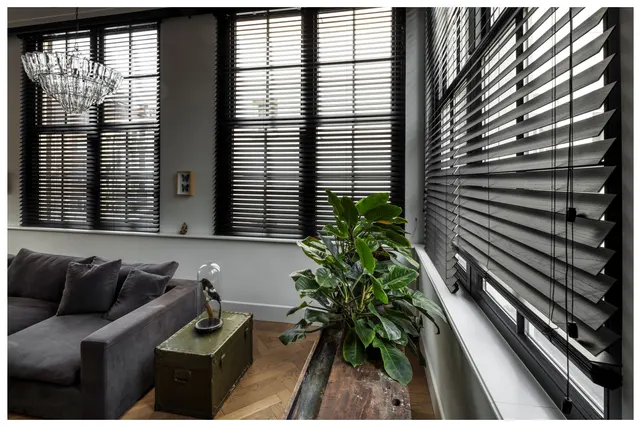
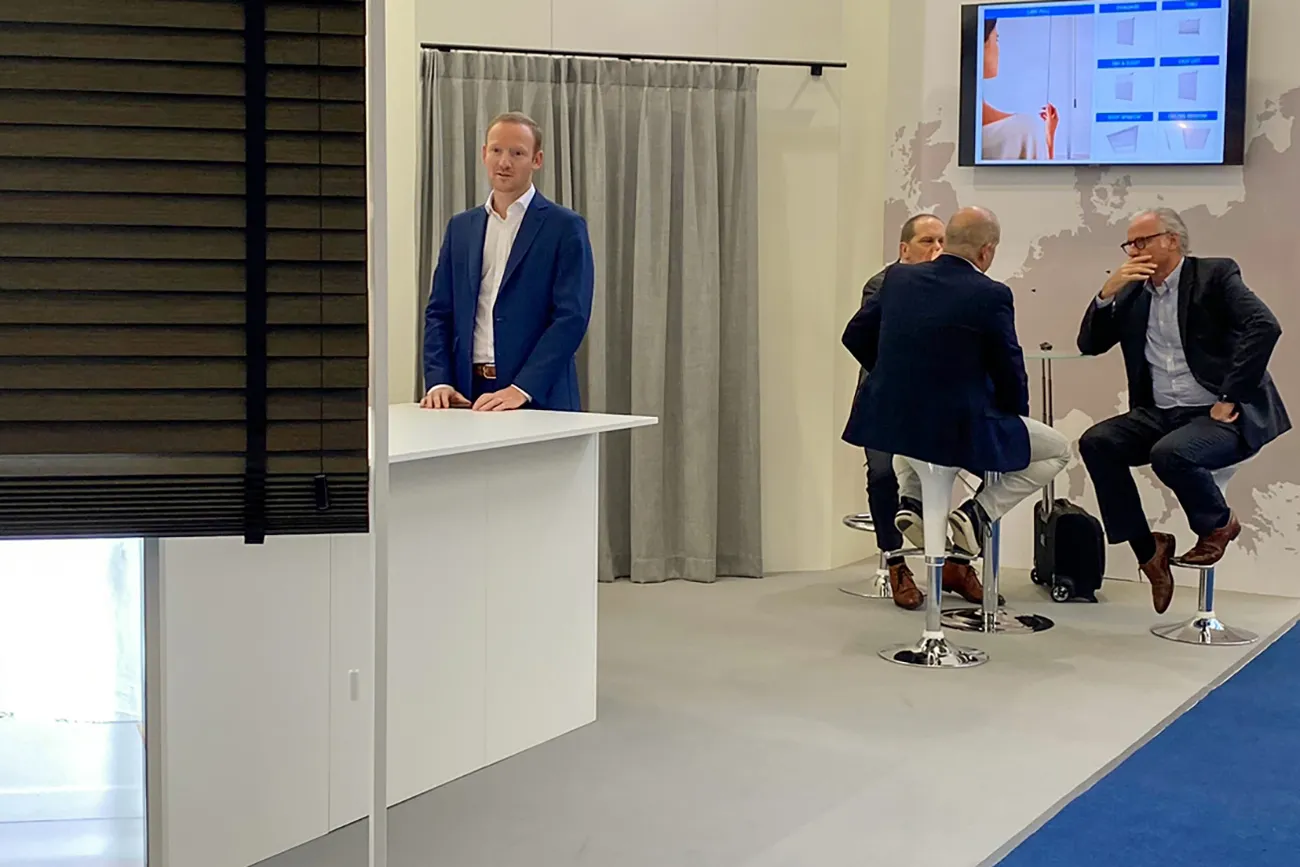
Belgium's Talent 4 Blinds was at the fair with wooden and aluminum blinds, folding blinds and pleated blinds, among other products. Director Patrick Vervisch began production in Serbia in 2018, and that proved to be a good move. Last year, a second factory was opened near the production site. "Serbia is not part of the EU so there are import duties, but the wages there are relatively low, the people are well educated and they have an excellent work ethic," Vervisch said. He supplies under white label and for private brands.
'Niiche product'
Fellow countryman Niiche, part of Inside Blinds and launched in 2022, used Heimtextil for its international premiere. Niiche founder and owner Dominique Lampe worked for years in textiles and now focuses on hardware for exclusive window decoration. "If you could speak of the Mercedes of window decoration we are the AMG," he characterizes. Side covers, bottom slats, weighted pull-up cords and even the remote control housing are produced in-house with 3D printers. This is cheaper and has the great advantage that products can be "personalized" quite easily. A side cover with a special relief? No problem.
The company is also aiming high for fabrics with special finishes and work is underway on special hand-woven fabrics. Niiche is targeting the top end of the market, and Lampe said during the fair it made contacts with visitors from Saudi Arabia, Dubai, Brazil and the United States.
No Sun & Shadow
In summary, Heimtextil offered no special novelties, in the area of interior sun protection and window decoration at all, if at all. In fact, the Sun & Shadow segment was completely dropped from the trade fair program. Nonetheless, the fair gave a broad overview of developments in a special branch of textile processing and application.
Question about this story? Ask your question
Keep following this
Get an email when a new story is published. No account needed.
- SubjectGeneral