






Es-so launches new position paper on eu strategy 'shading essential to achieve eu objectives'
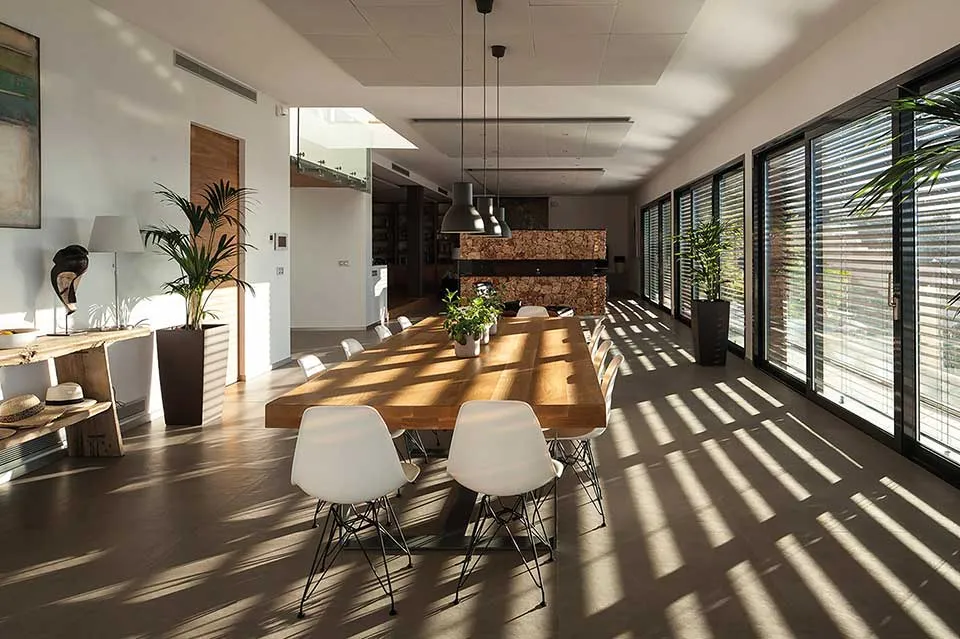
Als de Europese Commissie haar ambitie wil waarmaken om het energieverbruik voor verwarming en koeling van gebouwen drastisch te verlagen, moet dynamische zonwering een integraal onderdeel worden van de Europese renovatiestrategie (Renovation Wave Strategy).
The umbrella European shading organization ES-SO explains why in a position paper and proposes four recommendations.
The challenge is enormous. Three quarters of buildings in the EU are not energy efficient. Through the European renovation strategy launched in October 2020, 35 million buildings should be renovated by 2030 so that they consume less energy. According to ES-SO the integration of modern, dynamic solar shading is indispensable for this.
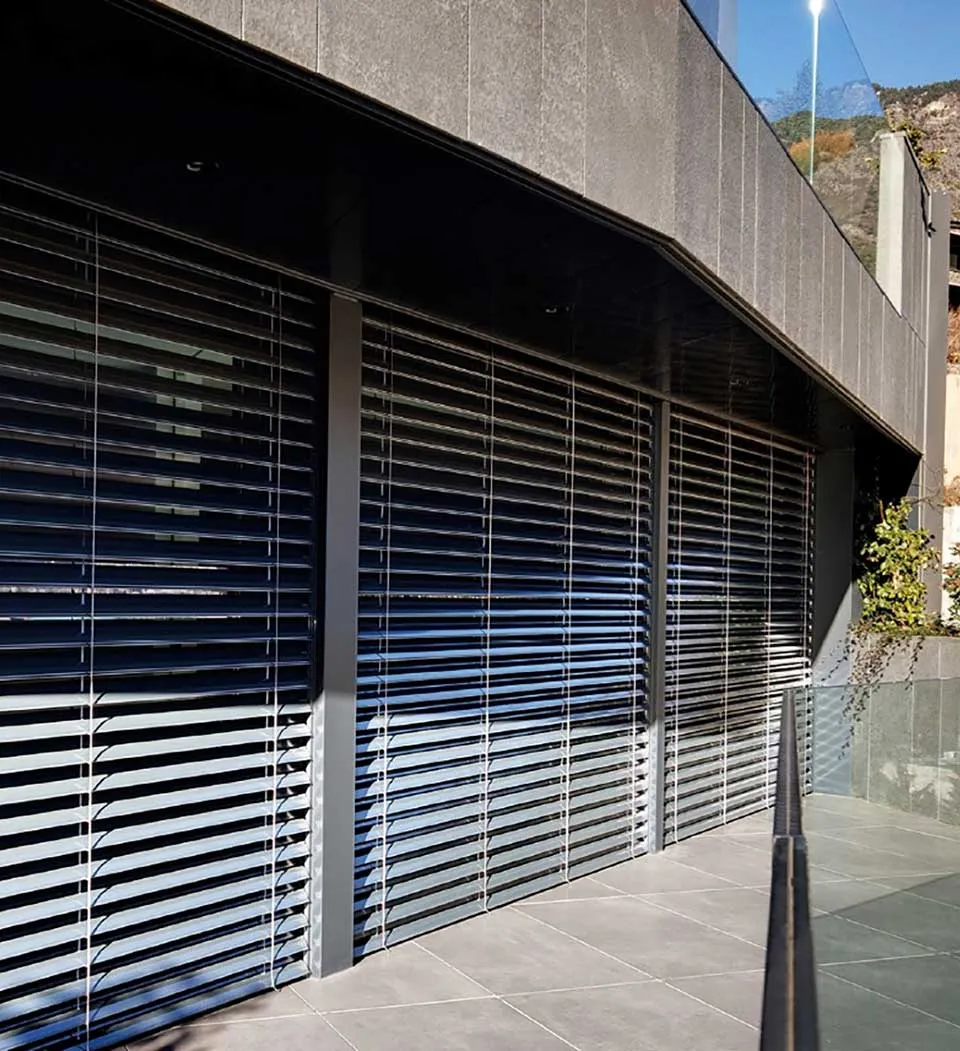
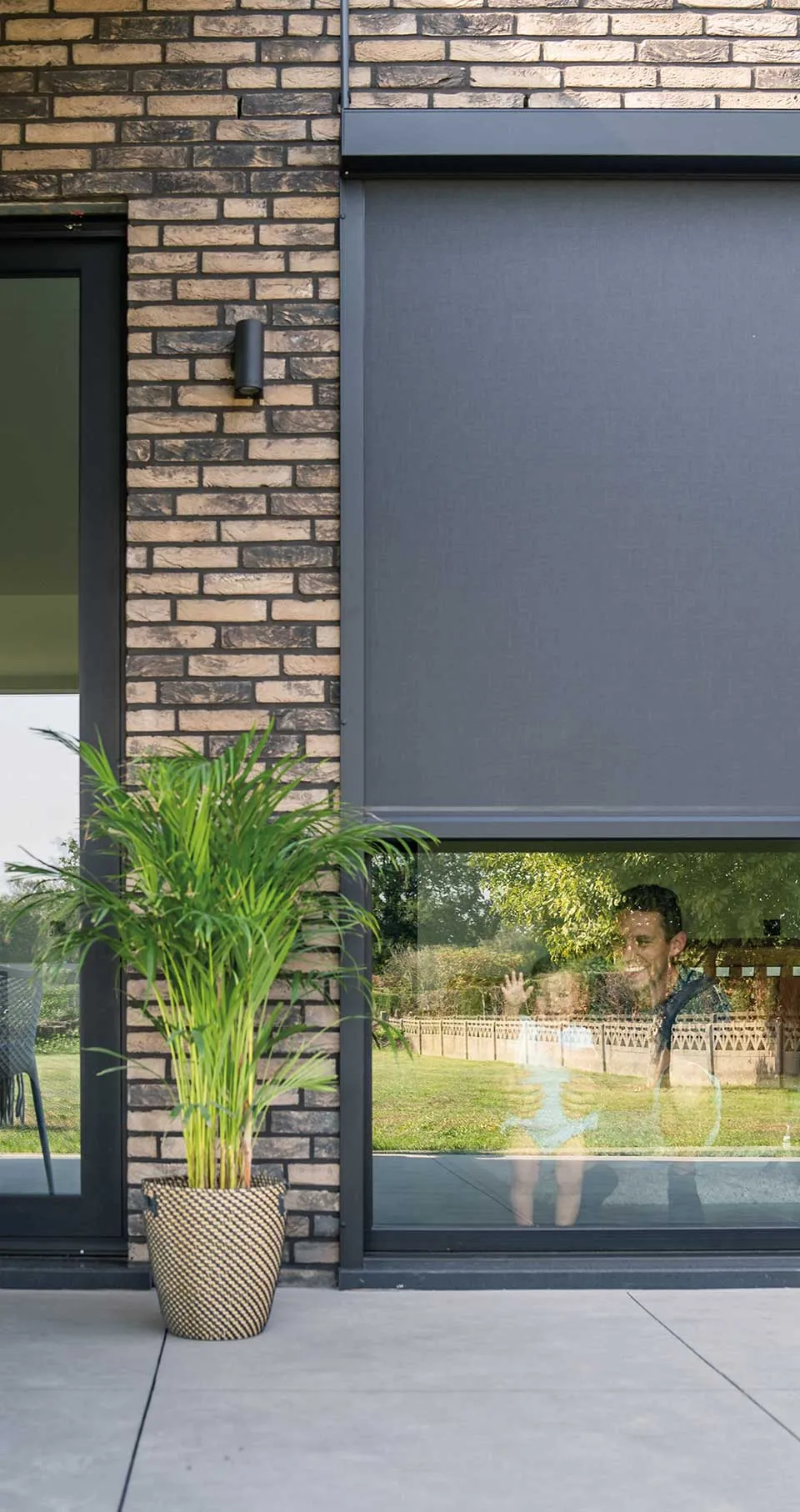
As part of the continuation of the renovation wave strategy, ES-SO has prepared four key recommendations for EU and national policy makers. They are introduced and explained in a new position paper by ES-SO.
POSITION PAPER
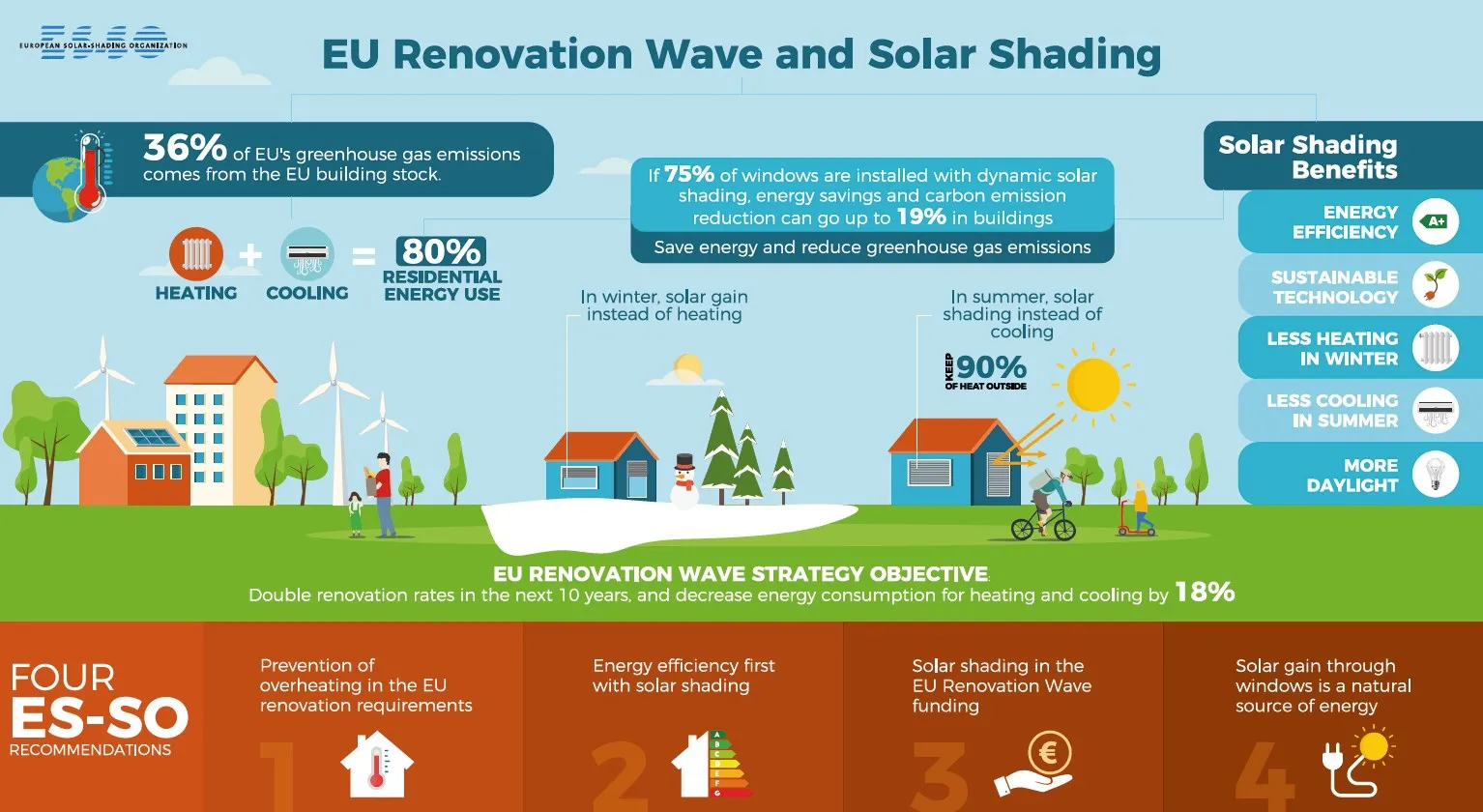
ES-SO thus welcomes the EU ambition to double the renovation rate of buildings in the next decade for lower energy consumption and more efficient use of resources. The EU's built environment is energy inefficient and responsible for 36% of Europe's greenhouse gas emissions. Addressing those emissions is essential to meet EU targets for 2030 and 2050 - when the EU aims to be climate neutral. The EU's renovation effort will not only reduce Europe's greenhouse gas emissions. It will also make buildings more resistant to climate change and make them ‘smarter’ to improve health and living comfort.
Important messages
1. Facts and figures
Energy conservation and CO2 reduction
Heating and cooling account for 80% of the energy consumption of people's homes. The EU aims to reduce greenhouse gas emissions by at least 55% by 2030, and the EU renovation strategy aims to reduce energy consumption for heating and cooling by 18%.
Fitting 75% of windows with dynamic shading can save up to 19% in heating and cooling energy (or 49.3 Mtoe/year) and a reduction in CO2 emissions of 19% (equivalent to a saving of 117 MtCO2/year). If cooling becomes as important as heating, savings can reach 22%.1
Dynamic solar shading is a cost-effective and sustainable technology. The production of solar shading causes relatively low CO2 emissions: assuming a 20-year lifespan, the energy saved is about 60 times as much.2
2. Benefits of shading
In summer: prevent overheating and reduce cooling needs
Of all existing buildings in Europe, 85 to 95% are expected to still be standing in 2050. More extreme climate situations are expected to occur then. Heat waves, for example, will last longer, with higher average temperatures, while tens of thousands of Europeans have already died earlier than expected due to heat waves since 2000.3Currently, overheating and indoor climate control in homes and buildings are not high enough on the agenda in the EU. If nothing is done, overheating due to climate change and better insulation will become a problem for many homes and buildings. Already 100 million Europeans cannot adequately cool their homes in summer, twice as many as Europeans cannot adequately heat their homes in winter (EU-SILC). Solving this problem through the use of active cooling such as air conditioning (A/C) will increase greenhouse gas emissions, which must be avoided by all means.
The 2018 International Energy Agency (IEA) report on “The Future of Cooling,” literally the future of cooling, indicates that governments must make it a priority to adapt homes and buildings to global warming and heat waves. Cooling homes and buildings starts with preventing solar radiation from being converted to heat as it enters. This is the most obvious line of defense and should always be the first choice before opting for a solution such as air conditioning, which also requires additional energy to be generated.
The IEA report shows the exponential increase in air conditioning sales worldwide. In addition, it shows how air conditioning amplifies the problem of heat islands in cities as the devices consume energy and as they emit heat from homes and buildings in the urban environment. Or in other words, air conditioning amplifies the problem of global warming and increases the number of heat waves.
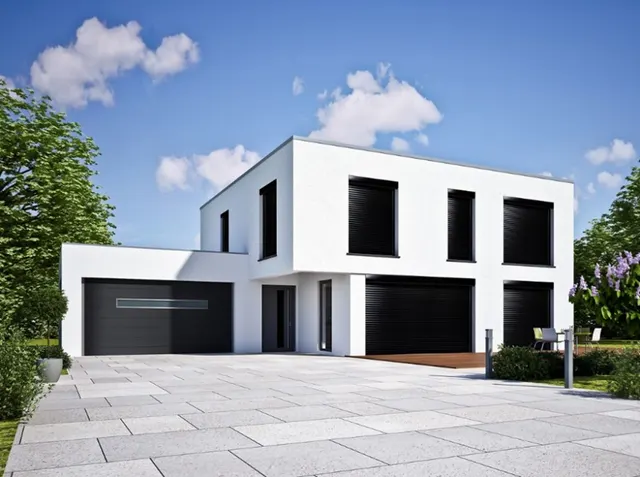
Dynamic shading applied to windows can keep out more than 90% of heat.4 The result is significant reduction in active cooling (A/C).
In winter: using the sun to reduce heat demand
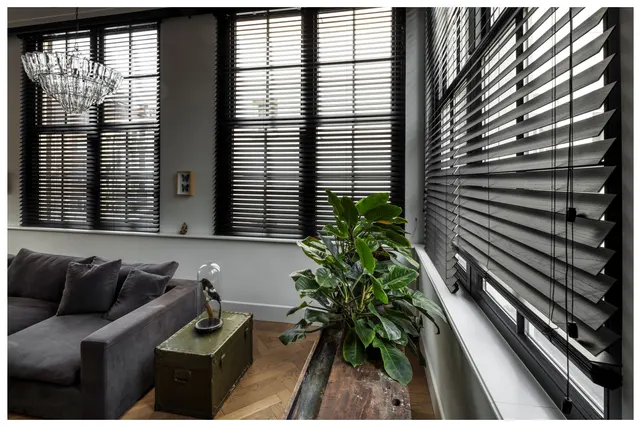
Dynamic blinds allow you to take advantage of the sun's heat during the day in winter. At night, it provides additional insulation for the window. Cold radiation is reduced and thermal resistance strengthened. Thus, dynamic solar shading helps reduce heating costs by 14%. It is available for outdoors and indoors, equipped with smart control systems if desired.
Solar radiation and daylight regulation
Solar radiation and - diffuse - daylight entering the home are necessary for several reasons. They provide natural warming in winter and, in the right amount, have a positive influence on people's health, learning ability and productivity. Dynamic solar shading makes it possible to optimally regulate the incidence of solar radiation and daylight to take advantage of their benefits, but avoid disadvantages such as overheating or light nuisance due to glare.
3. Conclusion
As a cost-efficient and sustainable green technology, dynamic solar shading makes it possible to achieve the goals of the EU renovation strategy. There are three reasons for this:
Dynamic shading meets the principle of energy efficiency perfectly.
Dynamic shading fits within another guiding principle of the EU renovation strategy, as it meets high health and environmental standards.
Dynamic shading embodies the principle of the green and digital transition because it can be automatically controlled and thus integrated into the smart building envelope of smart buildings.5
ES-SO recommendations for building renovation in the EU:
1. Preventing overheating is given a place in European requirements for building renovation.
Warming due to climate change and building insulation affects the health and well-being of people who spend more than 90% of their time indoors.
2. Minimum energy performance standards for existing buildings based on the principle that energy efficiency is paramount should include solar shading.
Dynamic shading should become mandatory as part of the minimum energy performance requirements for buildings. Based on the basic principle of energy efficiency - to ensure that we produce only the energy we also use - air conditioning should be installed only as a last resort and only if it operates from renewable energy.
Energy labels should use the ‘energy efficiency first principle. Dynamic shading should be a priority in renovation plans in EU countries.
3. Investment in and targeted financing of renovations should include solar shading.
Dynamic shading as an important measure of the energy efficiency-first principle should be implemented in national renovation plans to reduce greenhouse gas emissions from buildings. It is also important to help middle- and low-income households make their homes more resilient to the effects of global warming.
4. Recognize the solar energy falling in through windows as a natural energy source.
The solar energy entering through windows is free and a natural source of energy. Daylight also has a positive impact on the health and well-being of people who increasingly live and work indoors. Free solar energy reduces the need to produce energy and should be seen as an important renewable energy contribution by the built environment. Dynamic solar shading allows optimal use of this natural energy source and natural light to save energy for heating and lighting.
(1) Dynamic shading solutions for energy efficient buildings, Sonnergy Study, 2015
(2) Dynamic solar shading and its footprint, Würzburg Schweinfurt Institute Germany, page 8 “A new vision on solar shading”
(3) European Environment gency, CLIM 036 Published 20 Dec 2016.
(4) EPBD ES-SO Position Paper November 2018
(5) Final report to the technical support of a Smart Readiness Indicator for buildings, 2020.
Question about this story? Ask your question
Keep following this
Get an email when a new story is published. No account needed.
- ThemeSolar shading against heat and energy loss
- SubjectGeneral