






Energy efficient building increases chance of overheating home
Attic important in fight against warming home
It will be hot again in our country over the next few days. The temperature is rising and with it, the risk of overheating the home is also rising. This can pose health risks. Above a certain value, high temperatures can lead to heat stress, decreased productivity and overtiredness. And this in the age of the new normal where people are increasingly at home and working. One of the spaces in the house that is often used as a home office is the attic. In many cases, let that also be the hottest room in the house. How to prevent the home and its occupants from overheating?
From legislation and regulations, a limit on the probability of temperature exceedance (called the TOjuli value) will be set as of Jan. 1, 2021. In existing older residential buildings without good insulation, it is difficult to keep the house cool without active cooling. This is also the case with new home construction. New homes are built as energy efficient as possible so they retain heat better. Thicker walls, smaller windows and airtight construction help retain heat inside in winter and eliminate natural "drafts. However, that same insulation in the summer makes an overheated room cooler less quickly.
From the Healthy Homes Barometer, a representative study commissioned by the VELUX Group found that 87 percent of Europeans experience overheating in their homes at least once a year, 31 percent even feel too hot on a regular basis. "The Dutch are traditionally used to opening windows in nice weather, but with new building requirements and climate change, residents will have to behave in an increasingly Mediterranean way. By keeping windows and blinds closed during the day and opening windows at night when the outside temperature cools down, the home remains the coolest," said Marcel Vreeken of VELUX Netherlands.
Energy-efficient cooling and airing at night
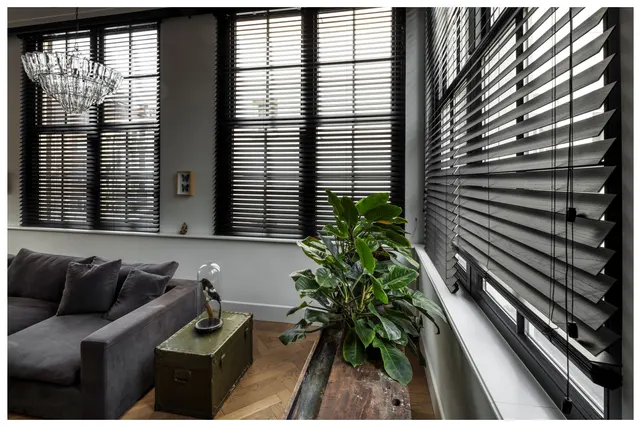
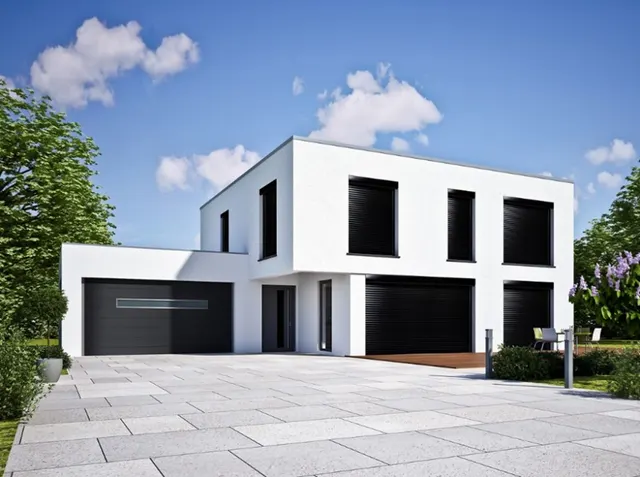
By opening a skylight at night (for example, above the staircase entrance) and a tilt window lower in the facade against each other, warm air in the home is removed, the "chimney effect. "If windows can be opened high up in the house, the entire house can be easily and energy-efficiently cooled by thermal draft, so that the temperature in the house is comfortable again in the morning. By keeping exterior blinds closed during the day, heat from the sun is blocked which prevents further warming. This can possibly be controlled automatically by intelligent home automation systems, such as VELUX ACTIVE, which controls blinds and summer night cooling based on sensors and weather forecasts. This can save on the purchase of a mobile air conditioner and energy costs. Thinking carefully about how the attic is furnished and ventilated brings energy and cost savings all year round," says Vreeken.
Question about this story? Ask your question
Keep following this
Get an email when a new story is published. No account needed.
- ThemeSolar shading against heat and energy loss
- SubjectGeneral