






Energy conservation versus ventilation
Er zijn veel wegen die naar Rome leiden, ook als het om energiebesparing gaat. In de Amersfoortse wijk Vathorst zijn een jaar of wat geleden woningen met een energiezuinige balansventilatie gebouwd.
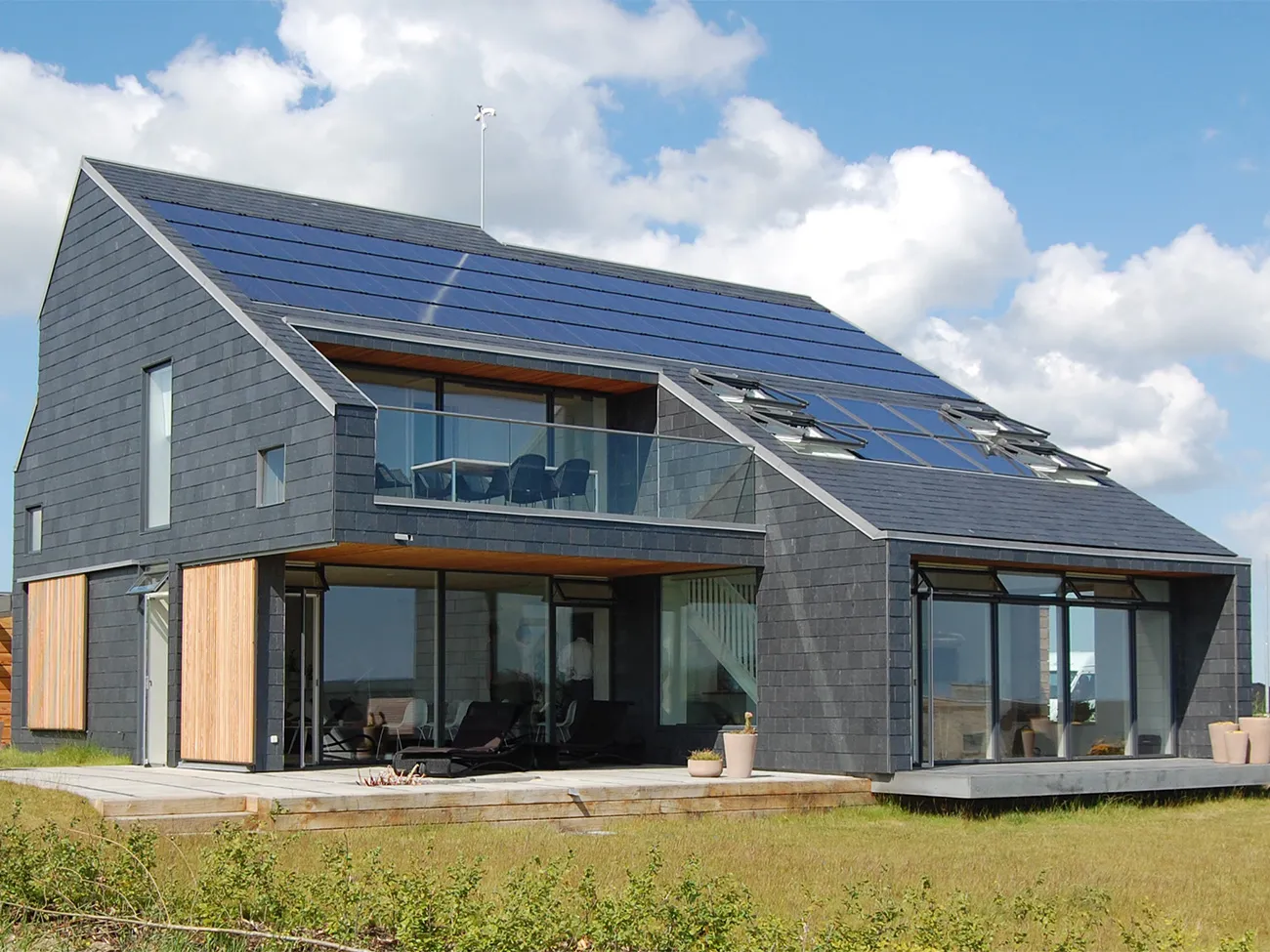
To make everything work according to theory, those houses were built shut tight: not a window could open yet. At the same time, Z&R reported on VELUX's pilot house in Aarhus, built as part of Home for Life: ventilate, ventilate, ventilate.
The coronavirus has added another dimension to that discussion. Ventilation appears to be an important tool for taking the wind out of the virus' sails because it reduces the number of aerosols - tiny droplets floating in the air. It should reduce the spread of the coronavirus in indoor spaces, although according to RIVM, it has not yet been proven that it also reduces the number of infections.
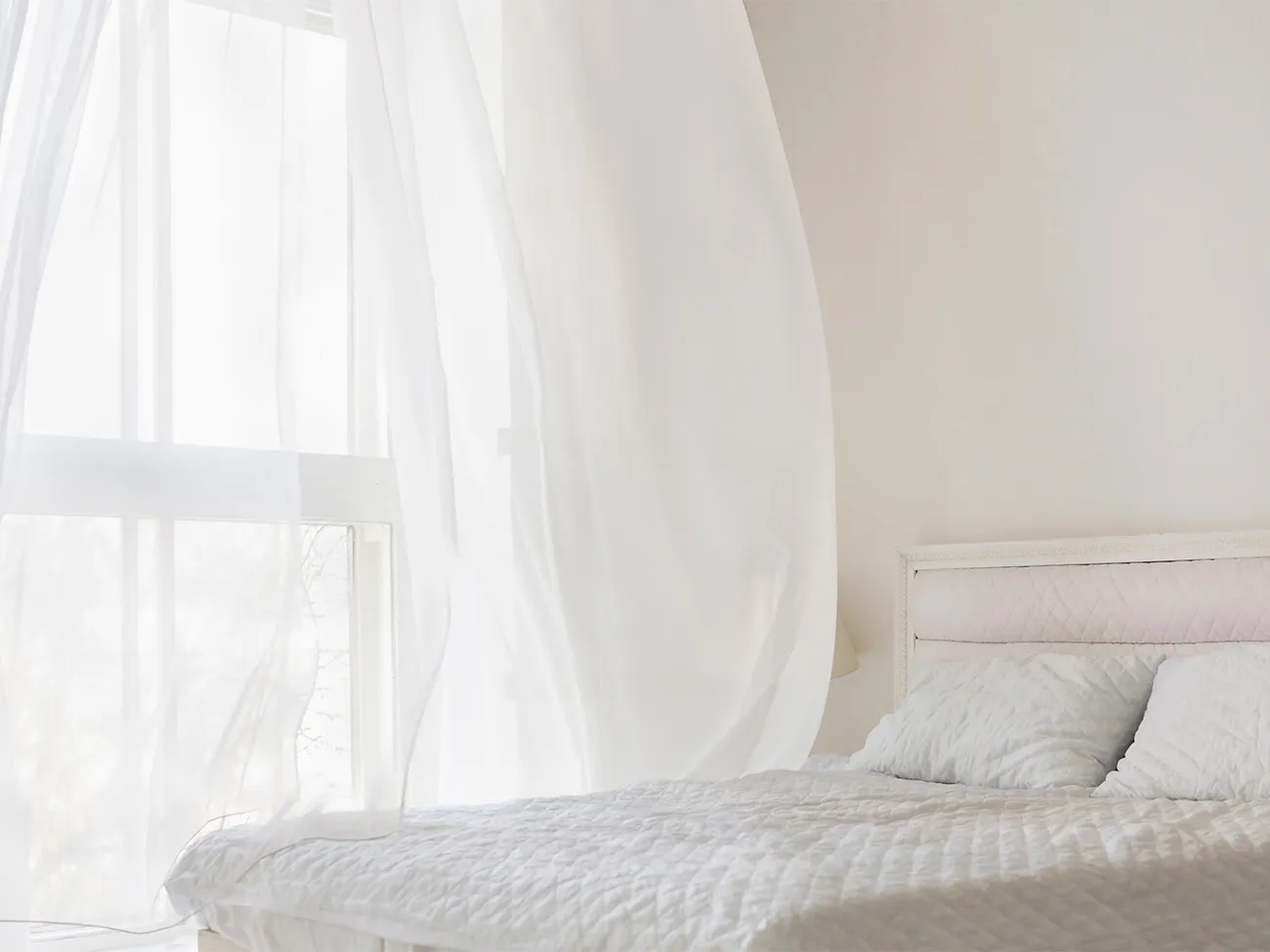
On top of that, because of corona, there is still a lot of working and staying at home, although as summer arrives and measures are lightened, that is becoming a little less so. Even when people are home a lot, ventilation is important to keep living conditions in the home optimal. Clean, fresh air, with less particulate matter promotes health and reduces health risks, increases concentration and reduces allergic reactions. Actually a miracle that not everyone throws everything open yet!
Energy issue
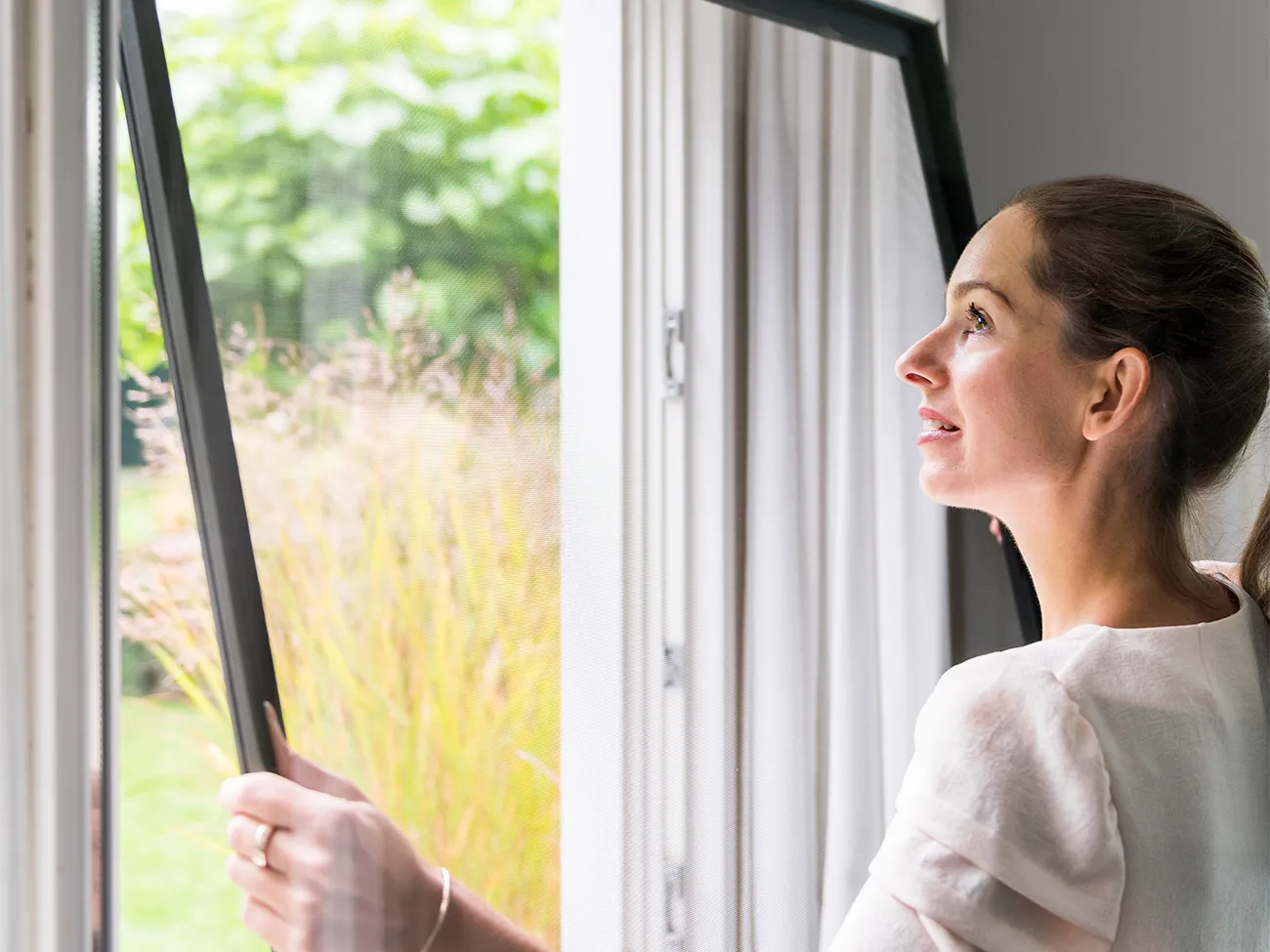
Although. Of course, the energy issue also hangs over our heads like a sword of Damocles. Energy consumption and thus CO2 production must go down to stop global warming. Potproof construction and insulation down to the last detail are consequences of this. But that does not have to get in the way of good ventilation. As long as the windows can be opened, because that makes natural ventilation possible: removing polluted air and supplying clean air.
Insect-free ventilation
At Unilux, they are aware of these issues and ventilation is high on the agenda, as are the risks, such as pollen entering, the risk of burglary or annoying insects in the home. "The threat of insects getting in need never be a reason not to ventilate," Unilux marketing and communications manager Hanneke Harmeling-Ketelaars emphasizes. "Good, high-quality insect protection ensures that ventilation can be done in a fully protected way. Thus, people are protected from the insects. And the reverse is also the case. Because the insects are not controlled, but merely kept out, they are also protected. Very important because insects are very important in our ecosystem."
Safe ventilation
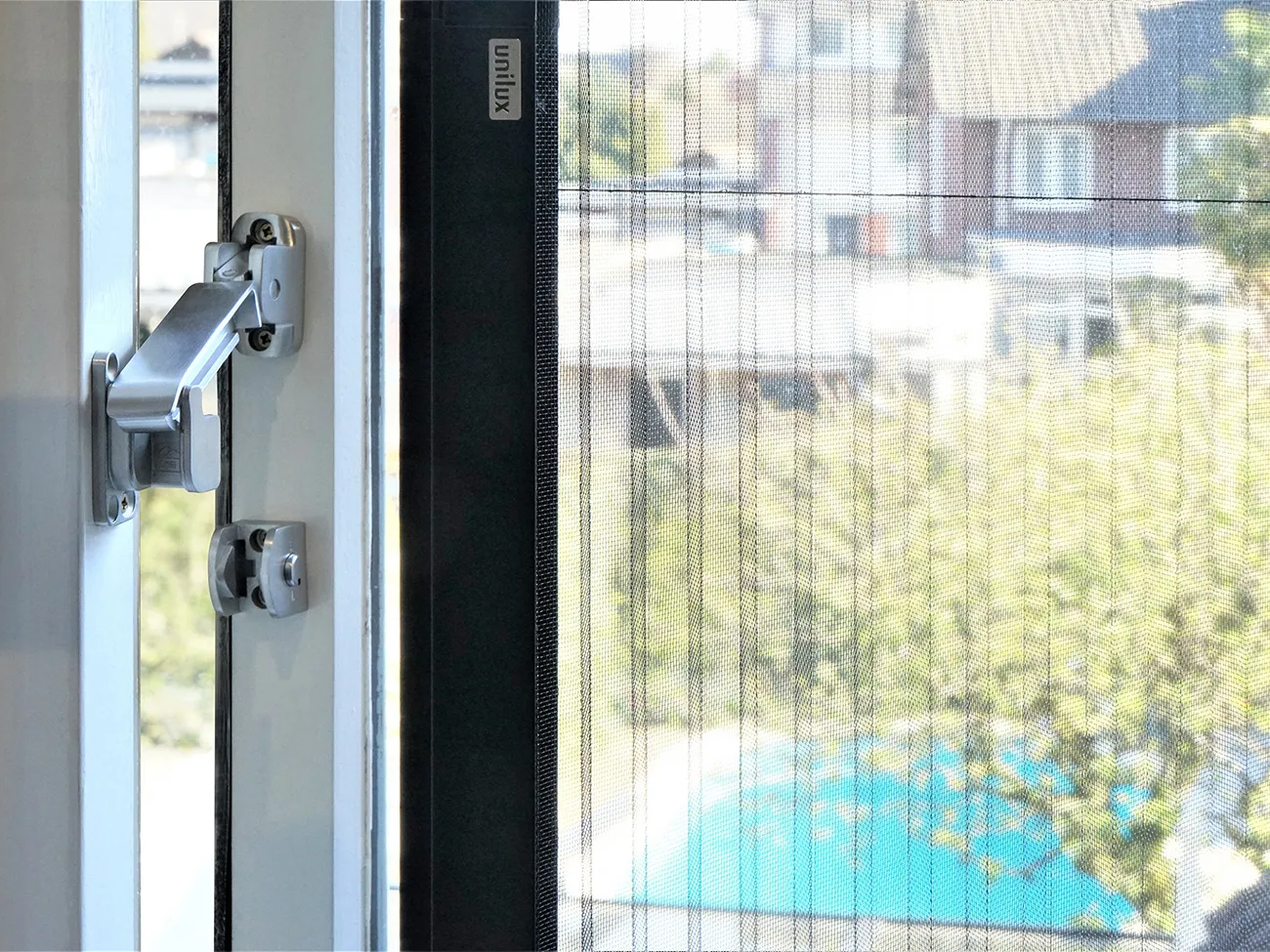
Excessive ventilation for a better indoor climate and against corona can therefore be done without nuisance from insects. But can it be done without nuisance from burglars? Because uninvited guests who buzz are annoying, uninvited guests who invade your home and take your belongings are even more annoying. "At Unilux, we have naturally thought about this," Hanneke Harmeling-Ketelaars responds. "Insect protection is not burglar proof. That's why we sought cooperation with Axa, specialists in Home and Bike Security. Their products are available from the Unilux screen specialists and can be perfectly combined Unilux window screens for safe ventilation."
Ventilate adequately and effectively
Ventilation can be done safely, without nuisance from insects or burglars. All the more reason to make sure that the residents of houses or users of buildings benefit fully from fresh air. That means ventilating as long and as much as possible, daily and preferably for longer periods each day: windows and possibly doors open, vents clean and open, and so on. Only airing does not help: after half an hour the fresh air has disappeared again and moisture and substances accumulate again. Making sure there is circulation in the house also helps. This can be done by opening windows against each other, by creating a chimney effect (open windows and/or doors downstairs as well as upstairs), through grates in internal walls or doors and so on.
Prevention is better than cure
So ventilation is good and important because it provides clean air in the home. Producing less unhealthy air in the home or office also helps, of course! Ventilating well while cooking, while showering, while doing chores (painting, gluing, sawing and drilling) or if there are many people in the house, burning fewer candles (which produce a lot of particulate matter) and not smoking indoors (even better: not smoking at all) are some of the measures that can be taken.
In the office environment, ventilation is also important. Printer and copier can often be smelled very well. This is for good reason! Therefore, it is best to have them in a separate, well-ventilated room. If a ventilation system is present, clean or replace the (dust) filters on time. A tidy desk also works: less dust and easier to keep clean.
Searching for balance
The question for the 25 March bars? House or office sealed tight to conserve energy or fully ventilated for fresh and healthy air? They appear to be two extremes of a continuum. The trick is to find the right balance. As a rule, smart ventilation leads to less cold and draughts in the house and less heat loss. That's two birds with one stone.
More about the ins and outs of ventilation can be found on the Internet. For example, at:
rijksoverheid.nl/topics/energy-home/question-and-answer/how-can-I-ventilate-my-home
milieucentraal.nl/energy-saving/ventilation/home-ventilation/
Question about this story? Ask your question
Keep following this
Get an email when a new story is published. No account needed.
- ThemeSolar shading against heat and energy loss
- SubjectGeneral