zenronline.eu
EN
Platform on sun and daylight control, shutters, patio covers and closures

Manual out, digital and automatic in ... It is a switch that characterizes our current society. It also applies, for example, to the control of blinds and shutters, which today is usually done with a remote control, via an app on the smartphone or a smart home system, from the comfort of your armchair and even remotely. By the way, one can also have those systems controlled fully automatically based on time and weather conditions. Result: increased comfort, simplified installation and lower energy bills.
Anyone who invests in awnings or roller shutters is counting on reliable technology but is also thinking about ease of use. For the installer, what counts most is ease of installation. The control of the systems and their drives play an important role. Not so long ago, people everywhere used a cord, a turning rod or an eye windlass to open or close screens or awnings, or a belt winder to raise and lower the shutters. They are still used, but in the meantime, those manual controls have given way to automatic controls in many homes and other buildings.
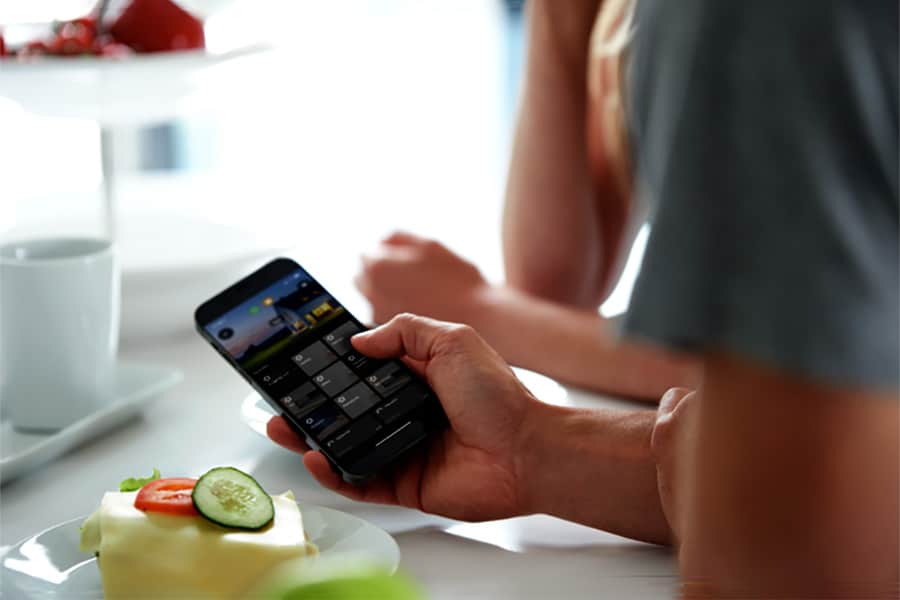
And it's happening fast, because even the push-button operation at the blinds or shutters is already largely passé. Today, users control their systems with a remote control and via an intuitive app on the smartphone or tablet. More than that, the systems are often simply integrated into the smart home system or building automation, which also controls, for example, lighting, gates, audio and video, air conditioning and security equipment. These solutions allow users to control blinds and shutters remotely.
Thanks to timers, wind machines and solar cells, they don't even have to intervene anymore, because everything is controlled automatically based on programmed scenarios. When the sun shines, the screens or shutters go down automatically. If there is too much wind, the blinds retract. Furthermore, the systems go up at a certain hour in the morning and down again at the preset time in the evening, without human intervention. So forgetting is no longer possible. It increases user comfort and reduces energy bills. Moreover, that user also receives digital notifications about the status of the systems and any malfunctions. The use of these smart control technologies is therefore booming.
As an installer it is important to inform the customer about the different control options. Depending on the application, it is also determined in consultation with the customer how to mount the drive system. If systems are connected to the building automation, a cabled solution will usually be chosen. In renovation projects or installations where the use of cables is a problem, motors can be integrated wirelessly.
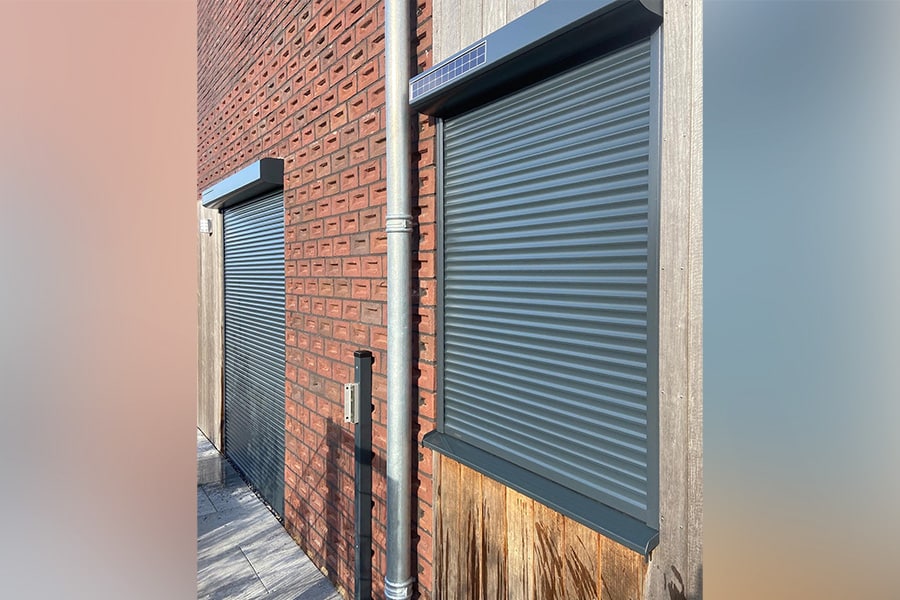
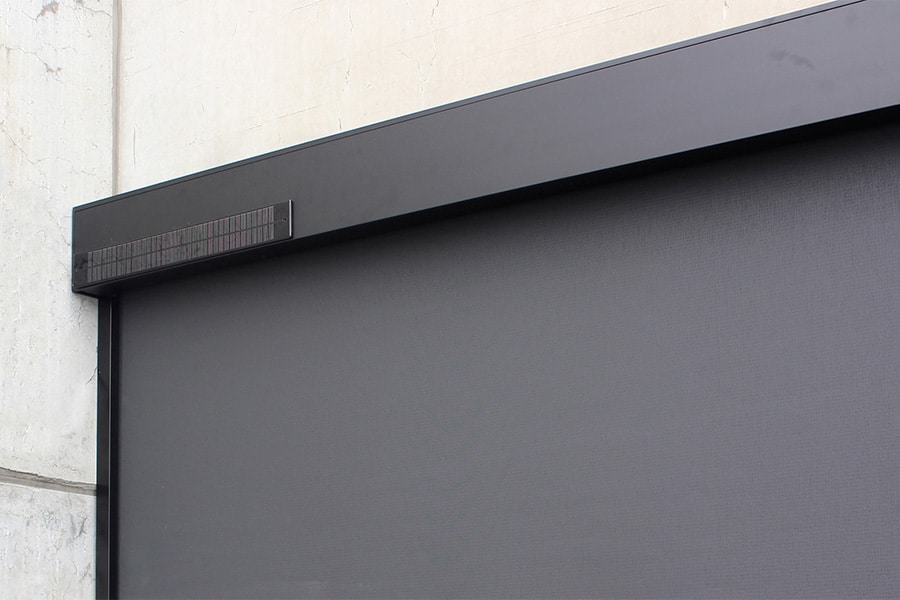
Recently, solar-powered blinds or shutters are increasingly being chosen. For this purpose, a solar panel is placed on the cassette. This captures the light and converts it into electrical energy, which is stored in a battery. As a result, the systems are completely self-contained. The installer does not have to drill any holes, which does not damage facade and insulation. Nor does one have to install electrical outlets. This makes installation easier and faster, but solar products also result in significant energy savings. Exactly ... a win-win situation for user and installer.