zenronline.eu
EN
Platform on sun and daylight control, shutters, patio covers and closures

The shading industry is in the midst of a marked technological shift. Where manual operation with cords, rods or belt winders used to be the norm, today electric drives and smart control systems dominate. This evolution fits seamlessly with the broader digitization of homes and buildings, in which automation and ease of use are central.
For end users, this mainly means more comfort and control. Blinds and shutters no longer depend on physical actions, but are operated via remote controls, mobile apps or integrated smart home systems. This allows users to control their systems not only from the living room, but also remotely - for example, from work or while on vacation. This not only increases convenience, but also contributes to a sense of security and control.
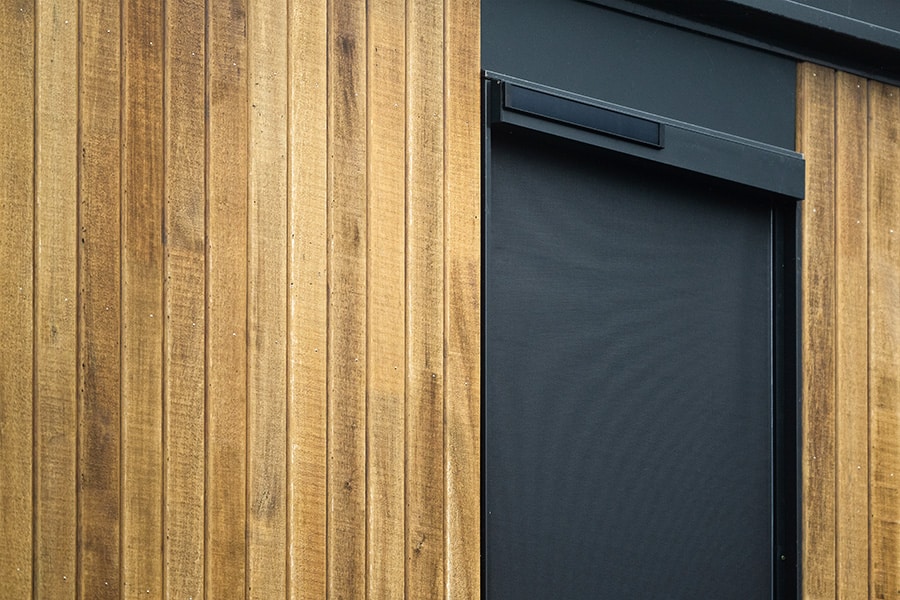
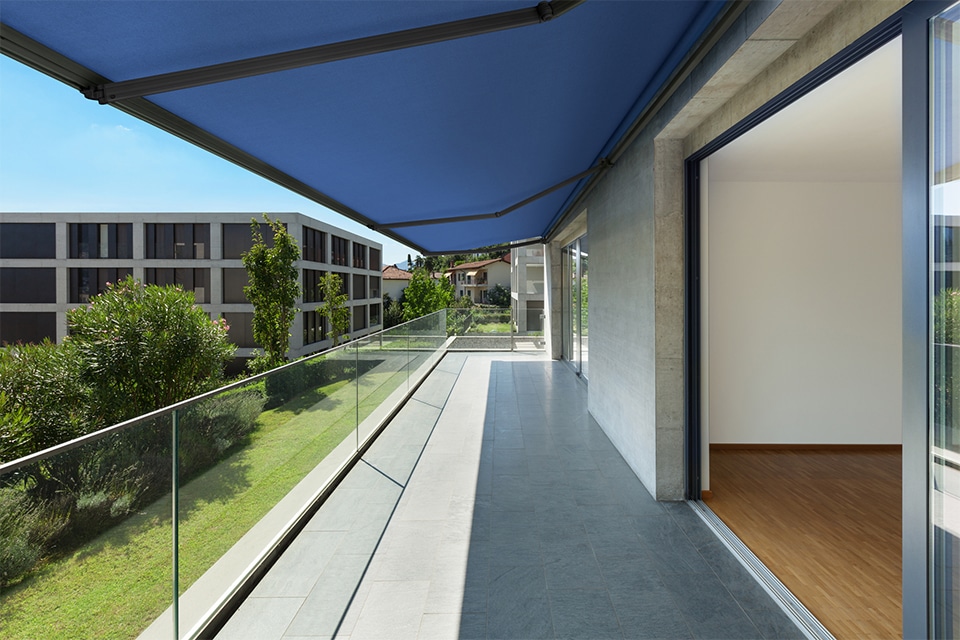
The biggest leap forward is in the degree of automation. Modern systems increasingly work on the basis of preset scenarios. Timetables ensure that blinds open or close automatically at fixed times of the day. In addition, sensors play an increasingly important role. Sun sensors automatically lower screens in bright sunlight, while wind sensors protect awnings by retracting them in time in high winds.
This automation provides more than just comfort. By optimally matching shading to weather conditions, overheating of buildings can be reduced. This reduces the need for active cooling, such as air conditioning, and directly results in lower energy demand. At a time when energy efficiency and sustainability are weighing more and more heavily, this is an important selling point.
In addition, digital systems increasingly offer feedback to the user. Through apps, notifications are sent about the status of installations or possible malfunctions. This makes maintenance more predictable and increases overall reliability.
An important development is the integration of solar shading into broader home automation and building management systems. In this regard, solar shading no longer functions as a stand-alone product, but as part of an integrated ecosystem. Together with lighting, climate control and security, it creates a total solution that addresses comfort, energy management and safety.
For installers, this means that knowledge of interfaces and protocols is becoming increasingly important. Wired systems remain relevant, especially in new construction projects where integration is included from the design phase. At the same time, wireless solutions are gaining ground, especially in renovations where cabling is less desirable or practical. Flexibility in choice of systems is therefore essential.
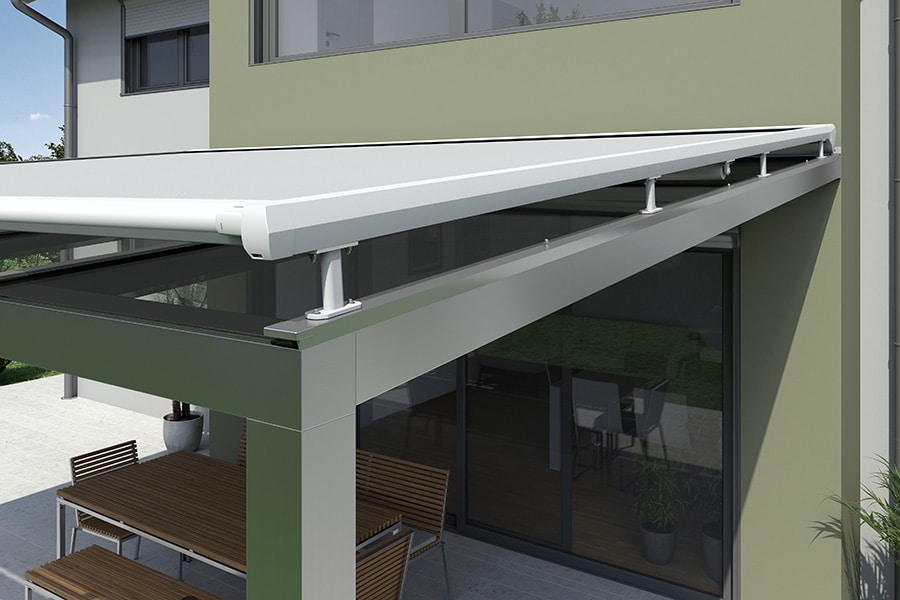
A notable trend within drive technology is the growth of solar-powered awnings. Here, a compact solar panel is integrated into the system, often on the cassette. This panel converts daylight into electrical energy, which is stored in an internal battery and used to drive the motor.
This technology offers distinct advantages. Because no external power supply is required, it eliminates the need for cabling and power outlets. This makes installation significantly easier and faster. In addition, the building envelope remains intact, which is a big plus especially with well-insulated facades.
For the end user, solar drive means an energy-efficient solution that functions independently. For installers, this translates into shorter installation times and less invasive work. This creates a clear win-win situation that focuses on both efficiency and sustainability.
Despite technological advances, the role of the installer remains as important as ever. The choice for a particular type of drive or control depends heavily on the specific situation: new construction or renovation, degree of integration, and customer requirements. It is up to the professional to advise on this and find the right balance between functionality, budget and future-proofing.
As a result, smart drives and controls are no longer a luxury, but an integral part of modern shading systems. They increase comfort, improve energy performance and simplify installation. As such, they are an important driver for further professionalization and innovation within the industry.