zenronline.eu
EN

Platform on sun and daylight control, shutters, patio covers and closures
As soon as the first sunny days arrive, automatic sun protection systems spring into action once again. Awnings respond to solar radiation, wind loads, and temperature differences, and from a technical standpoint, they often do exactly what they’re programmed to do. Yet it is precisely during this period that the number of questions from users also increases.
Because a system can function perfectly from a technical standpoint, yet still not feel right in practice. According to Driekleur-Besturingen, that is precisely where the challenge lies. Automatic sun protection isn’t just about connecting and programming; it’s primarily about how a system behaves in everyday use. “A system can work perfectly from a technical standpoint, yet the user still feels that something isn’t quite right,” says Jethro van Veelen.
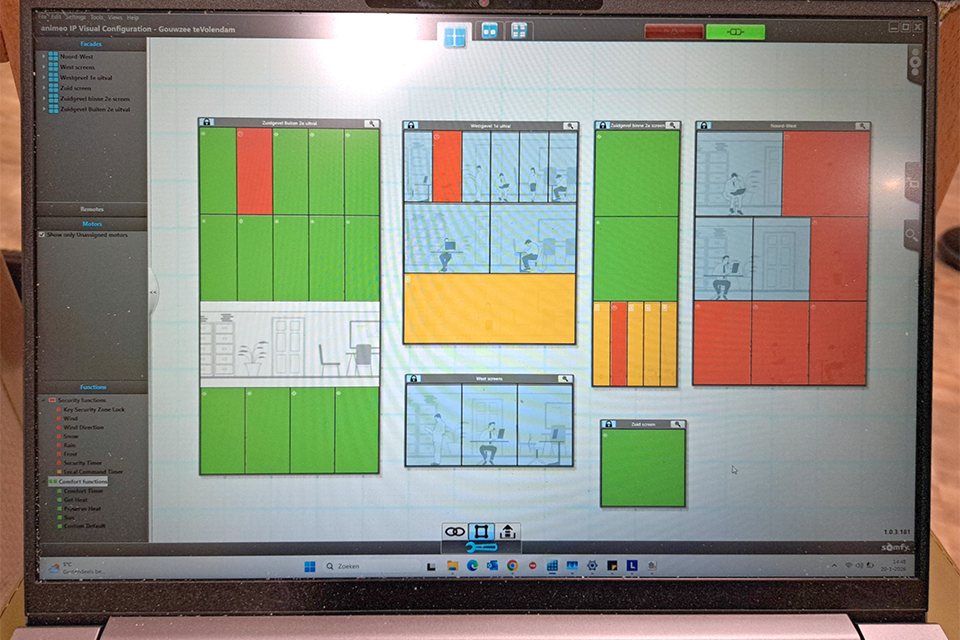
Many reports stem from the discrepancy between technology and user expectations. A screen closes later than desired, reacts to changing cloud cover, or opens while the sun is still shining. Technically, this can often be explained by settings for sun, wind, delays, and controls, but to users, it doesn’t always make sense.
That is why automatic sunshades must be tailored to the building and its use. A south-facing facade reacts differently than a west-facing one, and a tall building is subject to different wind loads than a sheltered courtyard. The type of building also plays a role: in offices, the focus is primarily on work comfort and reducing glare, while in healthcare settings, tranquility and predictability are more important. “Automated shading isn’t a one-size-fits-all product that you can set up the same way everywhere,” Van Veelen explains. “Ultimately, the environment determines how a system should respond.”
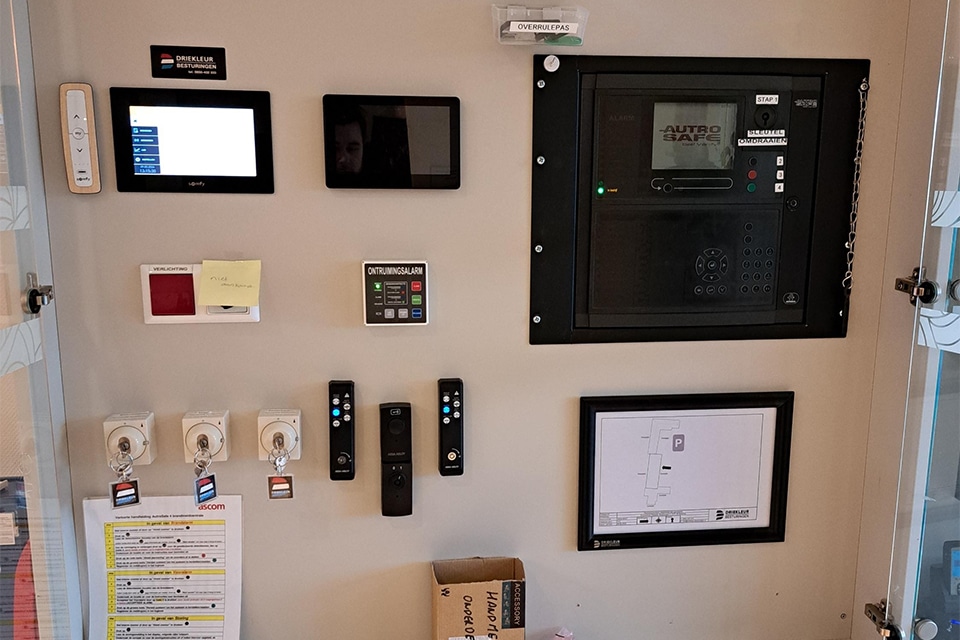
Operating systems are also becoming increasingly sophisticated. Automatic functions often combine manual operation, weather-dependent controls, and links to other systems. While this offers advantages, it can sometimes make the system’s behavior less predictable for users.
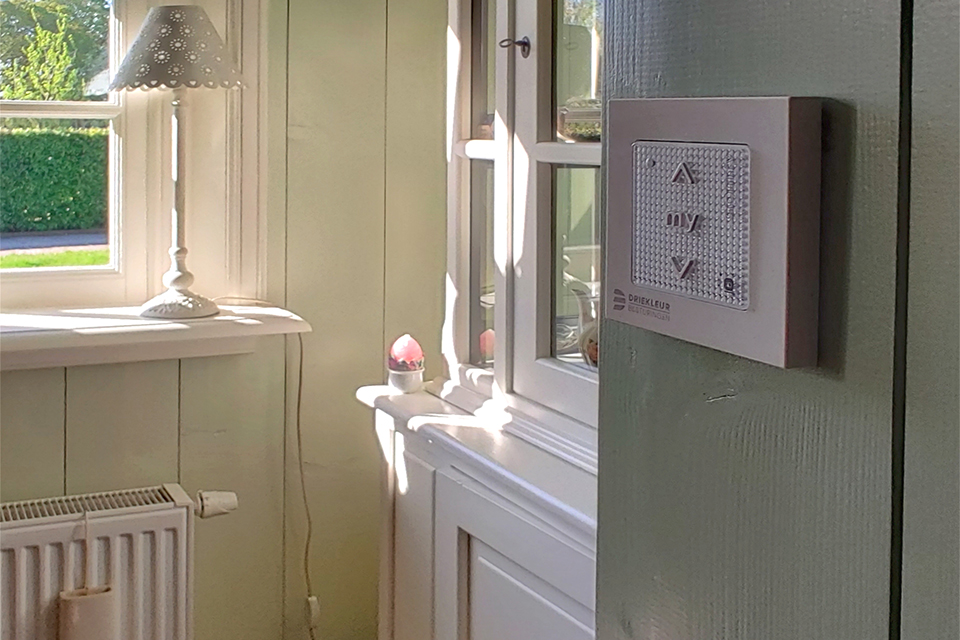
For example, it’s important to make it clear whether manual operation is temporary or whether the automated system will take over again later. Without that explanation, it sometimes seems as though a system isn’t working properly, when in fact it’s simply functioning as intended.
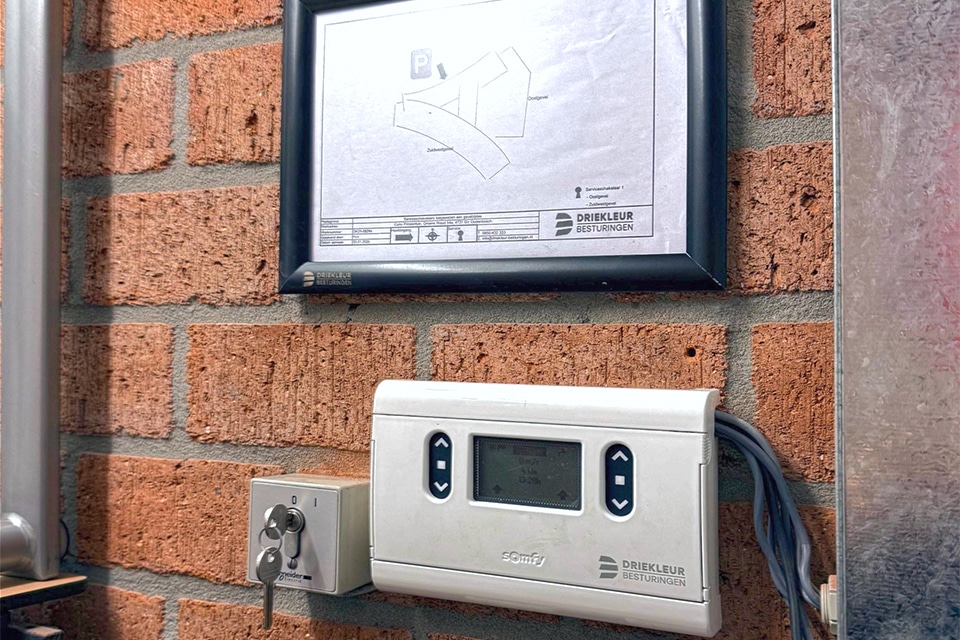
Even during installation and commissioning, small practical checks can make a difference. For example, a physical service switch for automated sunshades is not only required for safe maintenance, but is also useful for service and inspection.
After replacing and adjusting a motor, an installer can, for example, position the sunshade halfway. Using the service switch, it’s then immediately clear whether the system is responding correctly and the direction of rotation is correct. “Small checks like these prevent a lot of back-and-forth later on,” says Jethro van Veelen. “You can see right away if everything is working as it should.”
Abnormal behavior isn’t always caused by an incorrect setting. Sometimes the cause lies in the combination of components. For example, an existing control system using a relay box doesn’t always work well with a new motor that has electronic adjustment. To users, it may seem as though the sunshade isn’t working properly, when in fact the problem lies in the coordination between the components.
According to Driekleur-Besturingen, it’s all about the system as a whole. Motors, sensors, switches, and settings must work together logically. “Ultimately, it’s the user who decides whether a system works well,” says Jethro van Veelen. “Automatic sun protection only works really well when the technology, settings, and practical use are all in sync.”