zenronline.eu
EN

Platform on sun and daylight control, shutters, patio covers and closures

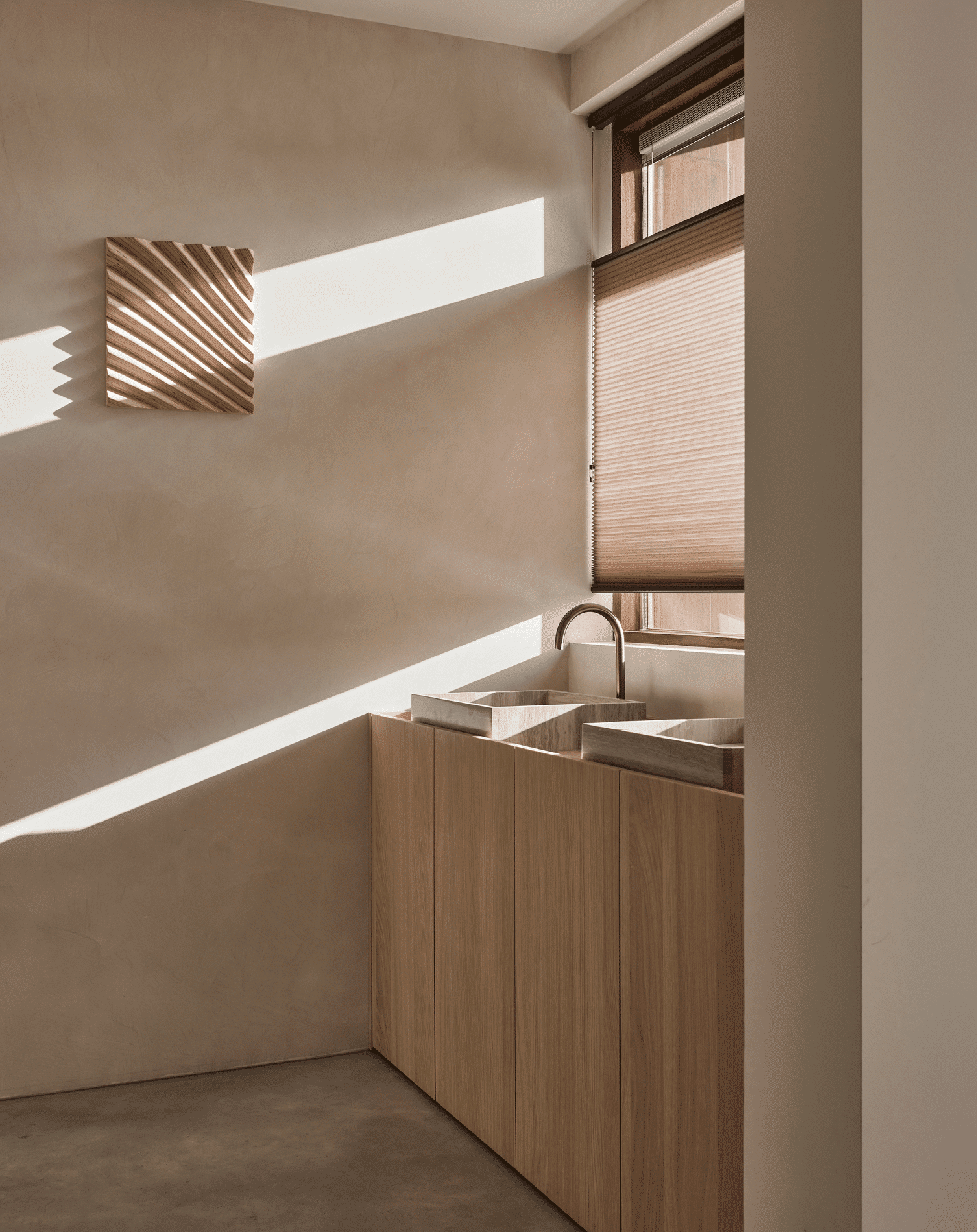
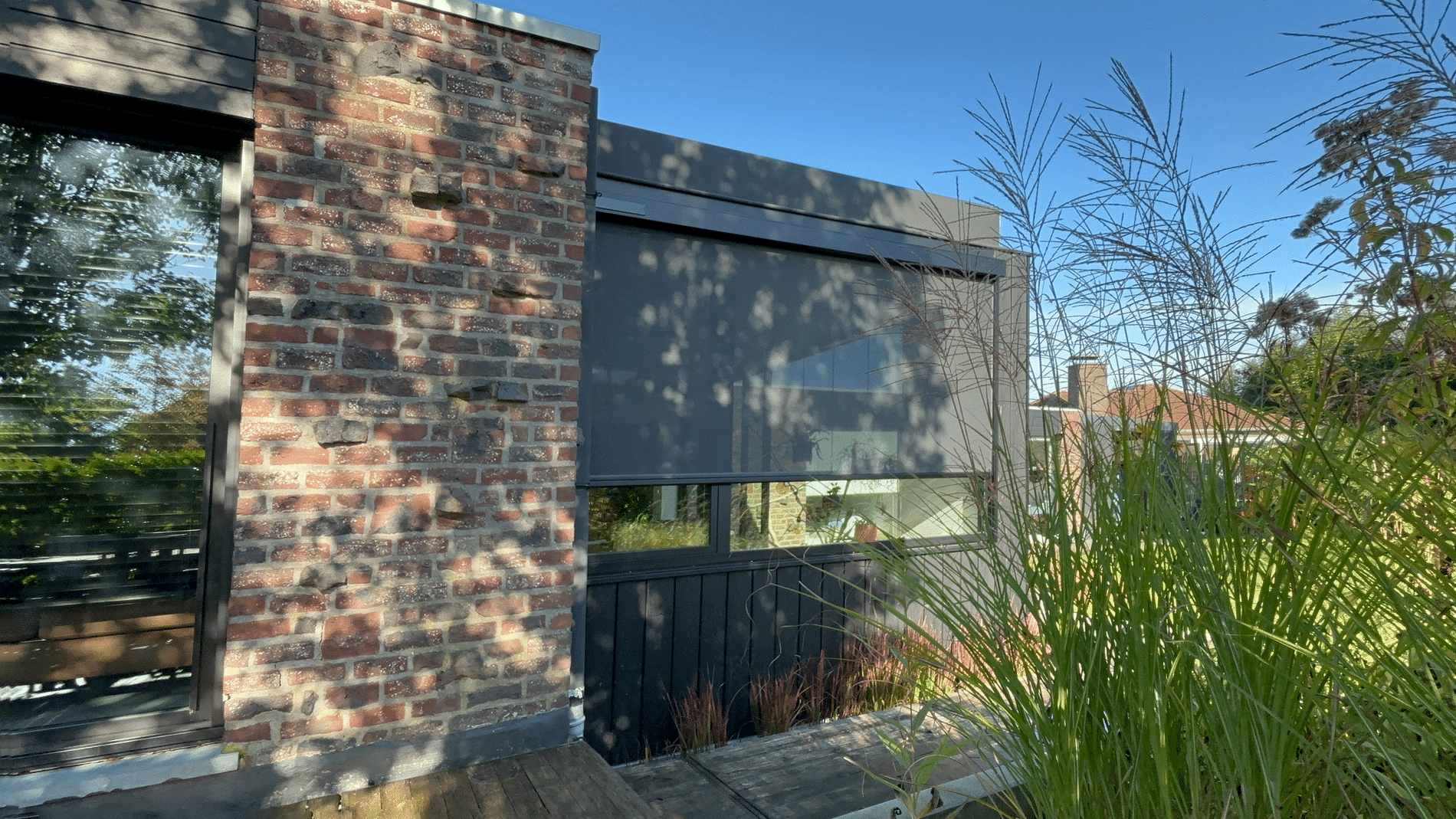
For many sun protection specialists, the origins are outdoors. Screens, articulated screens, roller shutters and other forms of outdoor sun protection are the core of the product range. Indoor sun protection was often added later, as a continuation of the outdoor project and as part of the interior. By now, however, interior blinds are a structural part of the total assortment at many companies.
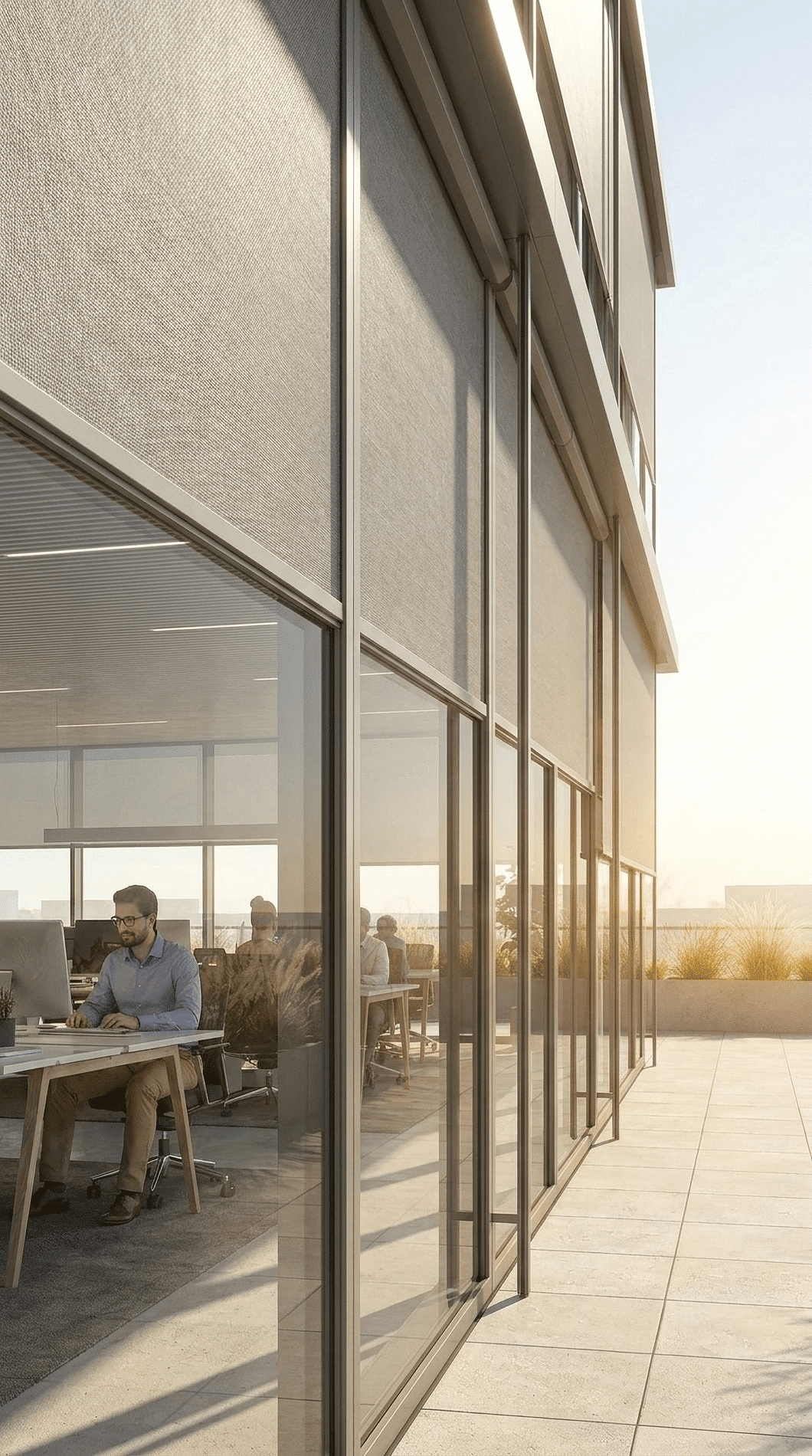
In many consulting projects, interior and exterior shading are discussed in conjunction. Questions about climate control often begin at the façade and continue inside in topics such as glare and privacy. Outdoor solutions limit direct solar exposure, indoor solutions influence daylight and visual comfort. Depending on building type, use and structural possibilities, combinations arise in which both product groups complement each other.
This connection is strengthened by the use of drives and automation. Indoor and outdoor products are increasingly part of the same control system, with control by sun position, time or temperature. For installers and service organizations, this creates a single technical domain in which product groups are interconnected.
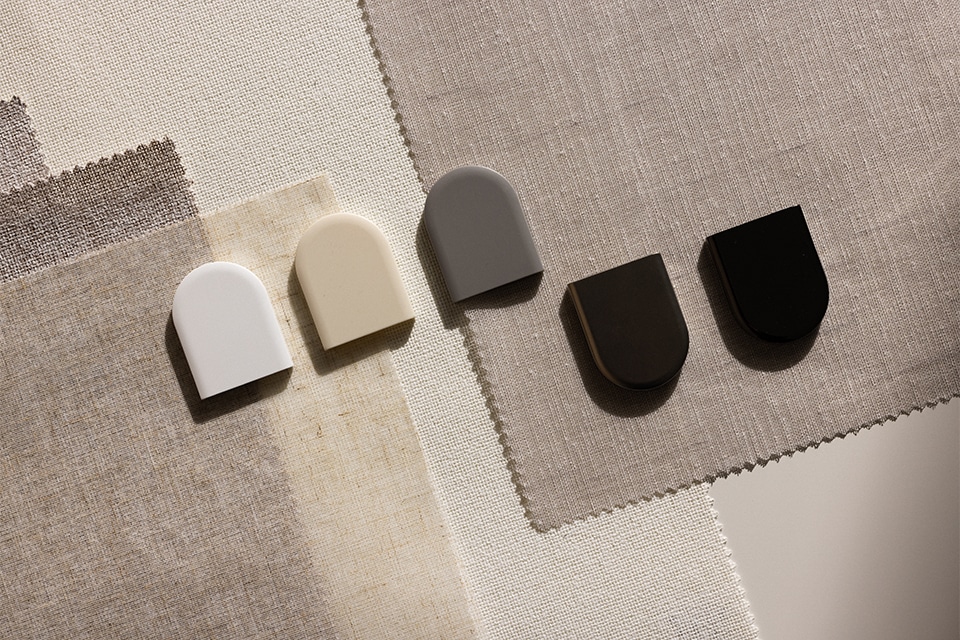
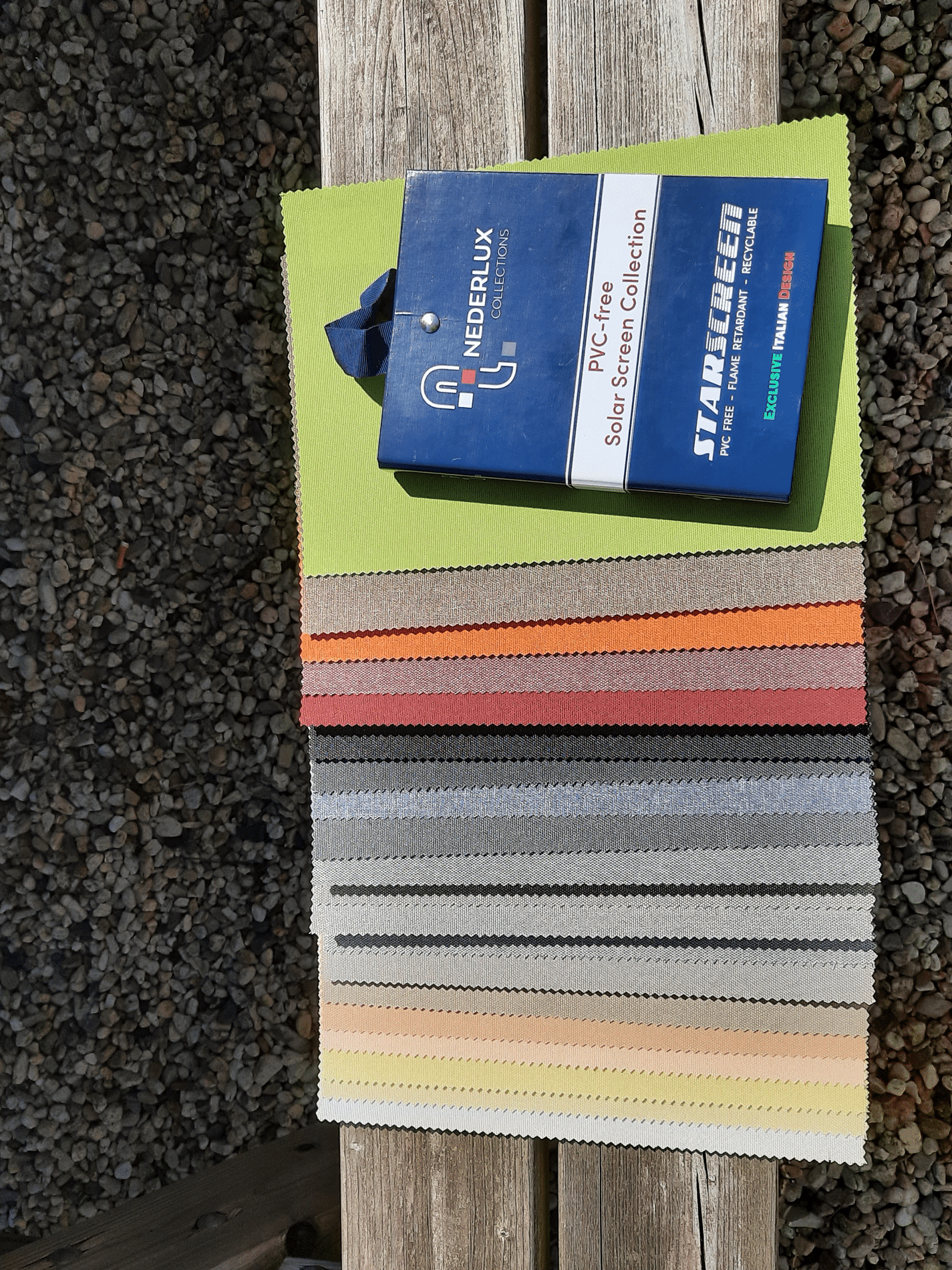
Commercially, indoor blinds occupy a position of their own at many companies. Indoor products are less seasonal and connect directly to interior choices and use by room. It is easy to present them in the showroom, plus there is room for customization in material, transparency, color and operation.
Outdoor blinds are originally a highly technical product group, while indoor blinds require different knowledge. This involves product choice (when is a roller blind appropriate and when is a pleated?) but also material properties, maintenance and assembly.
In projects, indoor shading takes on a distinct functional role. In offices, healthcare facilities and educational environments, it is about glare, concentration and privacy. In hospitality, atmosphere, flexibility and maintenance play an important role. Fire safety, cleanability and durability are fixed selection criteria. Coordination with architect, consultant and interior designer is often part of the process, with attention to integration in the design and technical infrastructure of the building.
So practice shows that indoor and outdoor solar protection are not separate domains, but parts of the same solar protection profession. That forms the basis for this theme within Z&R, in which indoor shading receives extra attention.
Neem dan rechtstreeks contact op met Coulisse.
 Contact opnemen
Since its founding in 1992, Coulisse has been creating inspiring window coverings based on the vision that window coverings are more than a functional product. It is an expression of style, taste and individuality that contributes to safety, well-being and convenience in homes and offices around the world. With a total concept of progressive collections, stylish systems and smart automation [...]
Bekijk Bedrijfsprofiel