zenronline.eu
EN

Platform on sun and daylight control, shutters, patio covers and closures

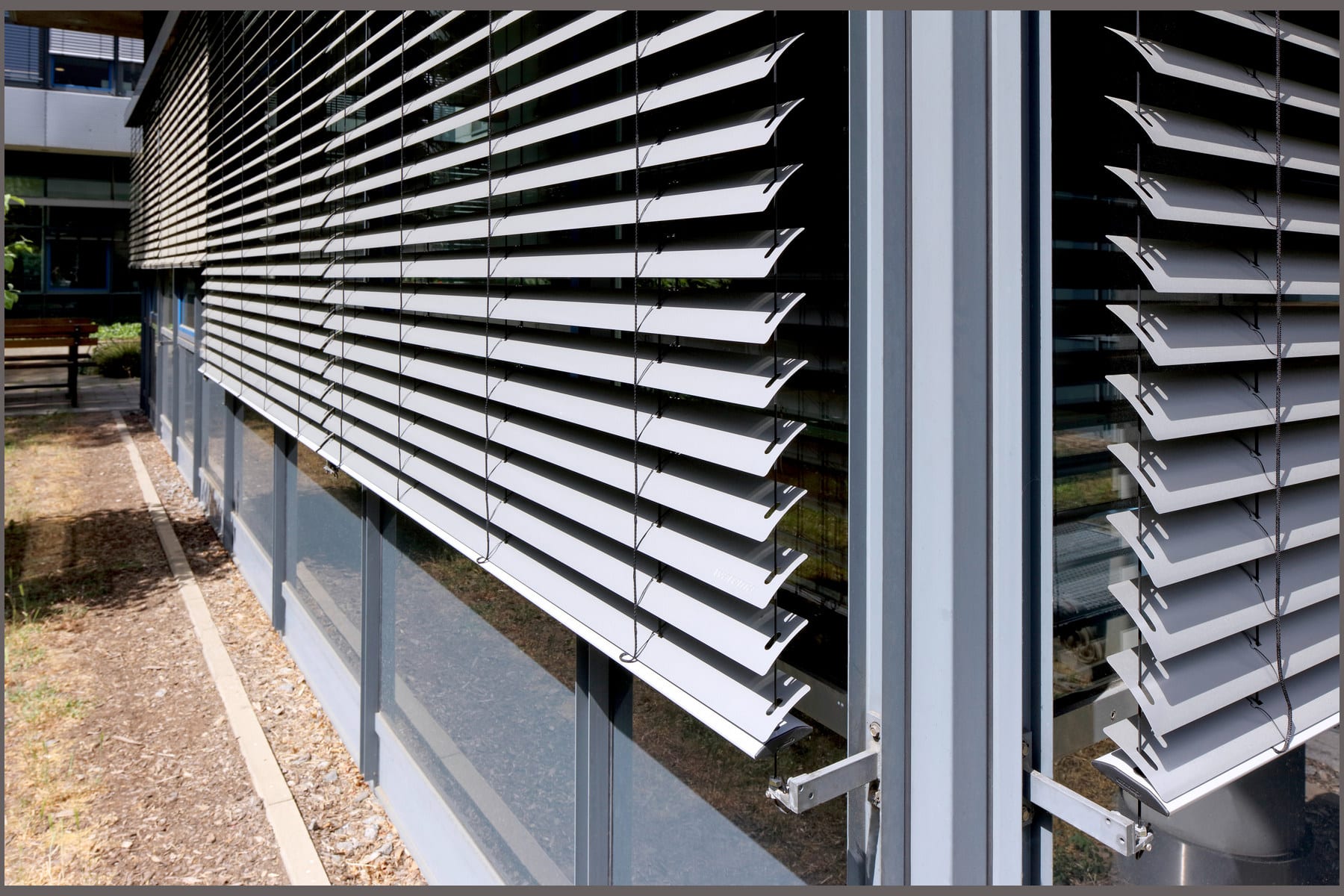
Screens are now an established part of the sun protection industry. You have been selling them for years, know the differences between fabrics, cabinet types and guides, and know exactly when to recommend which system. Yet there is still plenty to discover. Because anyone who thinks only in terms of "keeping out the sun" is missing out on opportunities. These five lesser-known perspectives offer inspiration for refocusing the conversation with your customer - and creating added value. And ... sell!
Gray, beige, white. The color choice in screens has been remarkably conservative for years. Understandable, because neutral tones fit everywhere. But there is a countermovement going on. Architects are looking for contrast and character in the facade. Exterior blinds and canopies are increasingly being delivered in bold colors. And so the question arises: why not screens? By including color in the sales conversation, you position the screen as a style tool rather than a necessary evil. A small choice that makes a big difference on the facade. Ask your supplier about it, too.
Everyone knows the thermal and visual advantages of screens, but their contribution to privacy remains underexposed. Especially in dense residential areas or apartments, a screen offers complete privacy during the day, without losing the view. It is precisely this balance that many consumers seek, but which does not always come up naturally. Promote it explicitly, especially to customers who hesitate between indoor and outdoor blinds.
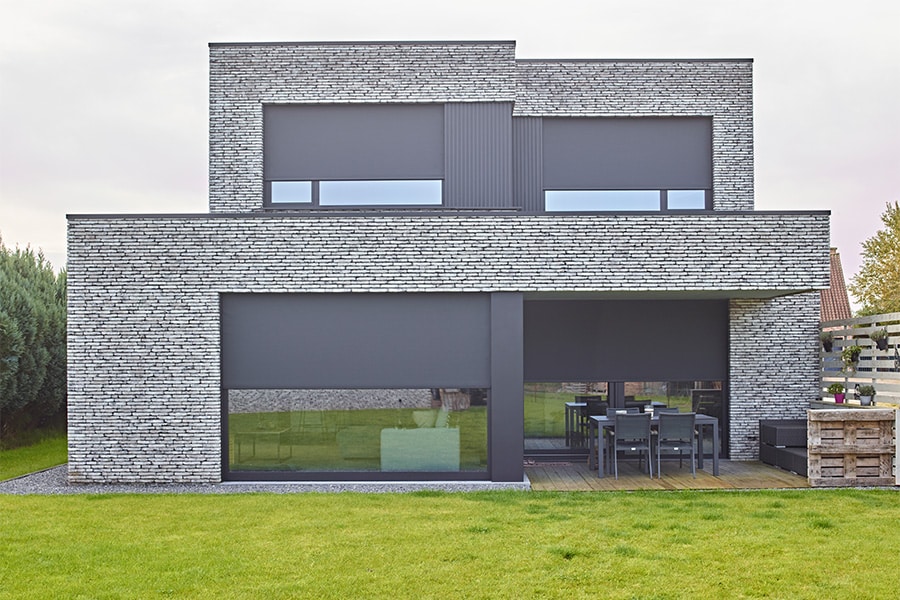
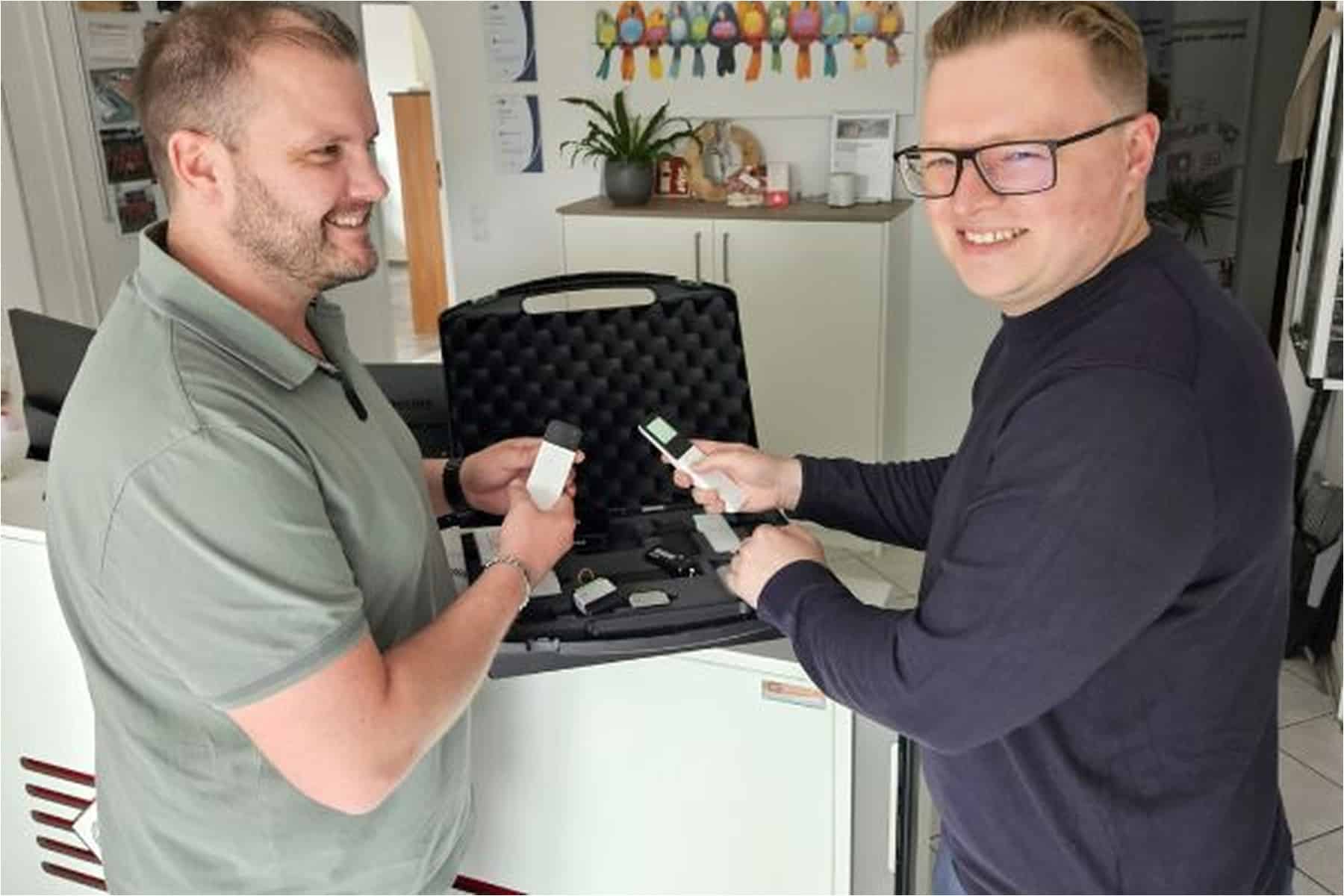
More and more screens are prepared for integration with home automation systems, smart home platforms and solar or wind automation. Yet in practice, it appears that the end customer is often not made aware of this. This is a missed opportunity. Because a consumer who controls his lighting via an app is open to automated shading. It does require up-to-date knowledge of compatibility and functionality from you as a specialist retailer. Those who delve into this can use home automation as a sales booster and as an argument for upgrading to premium systems.
In the BENG-driven building practice, screens are increasingly included in energy calculations. This makes them not only functional, but strategic. Still, the perception remains that screens are mainly something for the private customer. Wrongly so. Because in project-based housing construction in particular, they are essential for preventing overheating and meeting legal requirements. This is an opportunity for you as a specialist dealer to come to the table earlier with project developers, owners' associations and architects, provided that you can tell that story well.
A screen is basically low-maintenance, but not maintenance-free. Yet service is rarely actively offered, let alone communicated as a service. While there are opportunities: annual maintenance prevents failures, extends the life span and is a contact moment with the customer. Think of service subscriptions or a check-up at the change of season. In this way you build customer relations and recurring income.
Neem dan rechtstreeks contact op met SUYS.
 Contact opnemen
SUYS specializes in the production of aluminum and PVC profiles that are then processed into roller shutters, screens, roller gates and cladding. However, we like to think of them as more than a product in themselves. They help you shield your home or workplace and create safe and comfortable living spaces. For 50 years, we have been a [...]
Bekijk Bedrijfsprofiel