zenronline.eu
EN

Platform on sun and daylight control, shutters, patio covers and closures
Taking prompt action when your sunshade control system is outdated prevents inconvenience and unnecessary costs
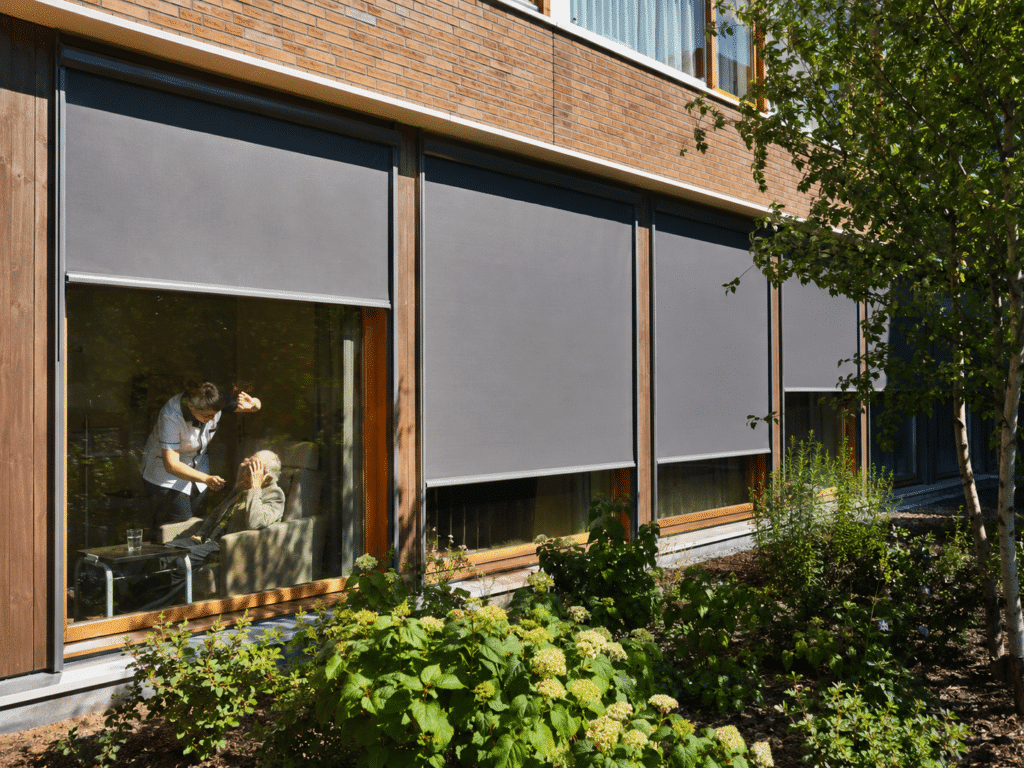
A screen stays up, a group of facade panels stops responding, or a room heats up quickly. In an office, that’s a nuisance. In a hospital, nursing home, or other healthcare setting, the same malfunction can have far more serious consequences than mere inconvenience. The temperature in living areas can rise quickly, while patients and residents are not always able to move to a cooler room on their own or block out the sun in some other way.
According to Driekleur-Besturingen, such a situation rarely arises completely out of the blue. There are often early warning signs: components become outdated, systems don’t always respond properly, settings no longer match the building’s current use, or documentation is missing. However, as long as the system is still largely functional, action is often postponed.
“A system can still be functioning while at the same time becoming increasingly vulnerable,” says Jethro van Veelen of Driekleur-Besturingen. “You often don’t notice this until the moment you really need the sunshades. In the middle of a heat wave, the consequences are more severe, and there’s less time to calmly consider the best solution.”
Upon installation, an automatic sunshade system may function perfectly. That does not mean, however, that its reliability will automatically be maintained for years to come. Components age, building functions change, and parts become harder to source.
Such issues often become apparent during maintenance or previous malfunctions. At that point, there is still room to determine what makes sense from both a technical and financial standpoint. When that decision is postponed until the summer, the focus shifts from finding a sustainable solution to restoring service as quickly as possible.
This is particularly noticeable in facilities where vulnerable people reside. If multiple rooms or an entire section of the building’s facade fail to respond, patients or clients are not always able to take action on their own. Staff must then rely on temporary measures and a quick resolution.
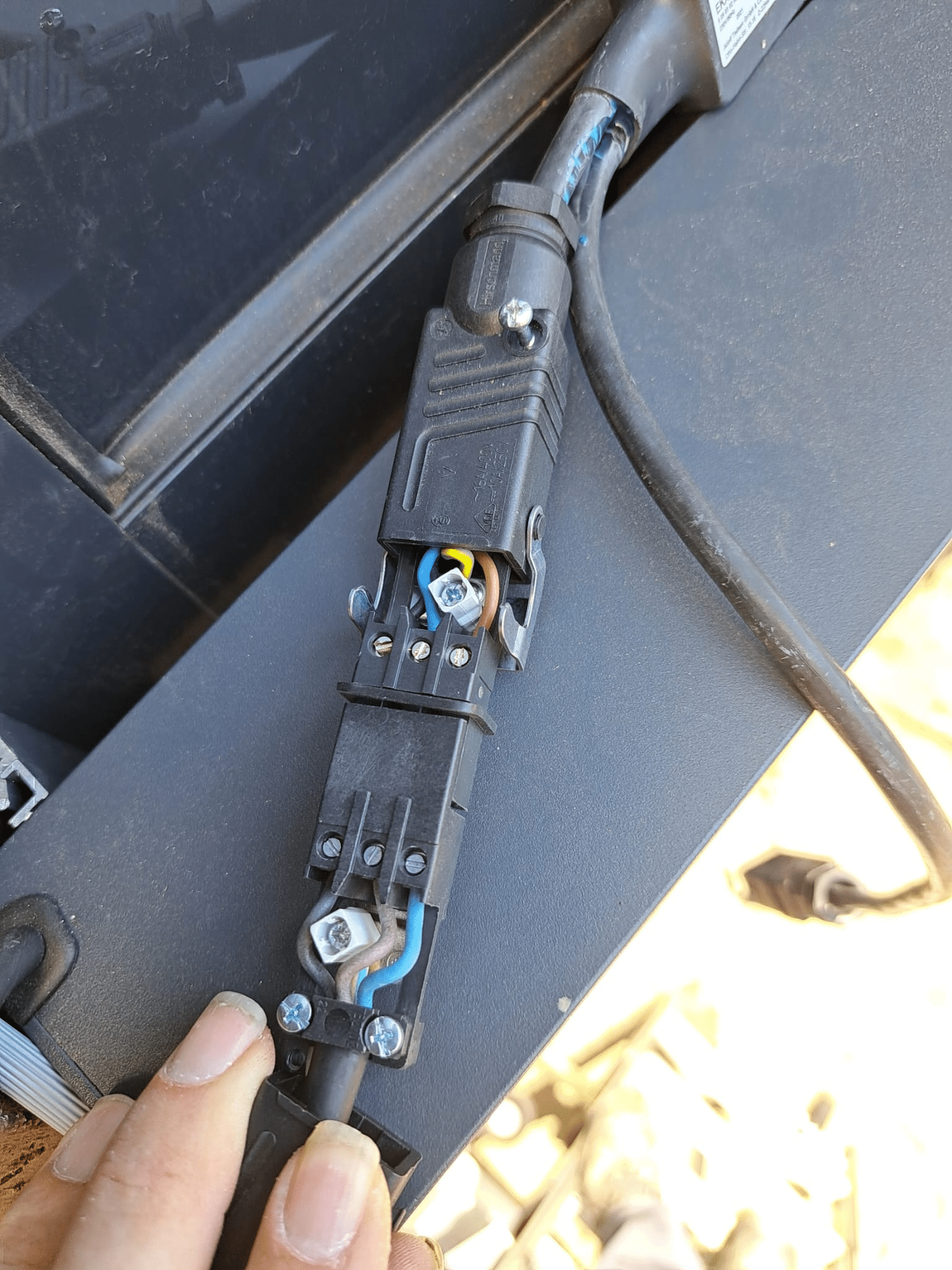
When under time pressure, the decision is therefore often made to replace a single component, temporarily reconfigure a group, or work around a malfunction. While this may be necessary at the time, it does not always eliminate the underlying vulnerability of the system.
“When a system is outdated in several areas, the next problem may arise somewhere else shortly thereafter,” Van Veelen explains. “Then money continues to be spent on isolated repairs, whereas a planned upgrade could ultimately have been more reliable and cost-effective.”
Multiple minor repairs mean call-out fees, diagnostic time, and temporary adjustments each time. This results in repeated investments without any structural improvement to the system as a whole. A solution that seems cheaper at the time of a breakdown may ultimately end up costing more due to successive malfunctions.
Sun protection is still often viewed as a comfort feature. However, in healthcare facilities, hospitals, schools, and buildings with large glass surfaces, it also plays an indispensable role in limiting solar radiation and heat gain.
That doesn’t mean that every older system needs to be completely replaced right away. However, an outdated system does require careful evaluation. Which components pose a risk? Are they still available? Can a malfunction be repaired quickly? And does the system still meet the building’s current needs?
It is precisely outside the hottest period that there is an opportunity to carefully address these questions. By identifying risks in a timely manner, building managers, sunshade companies, installers, and control system specialists can work together to decide whether to opt for targeted preventive repairs or a more comprehensive renovation.
“It’s not always possible to prevent a malfunction,” Van Veelen concludes. “But waiting until a critical system fails in the middle of summer only makes the consequences worse and narrows the range of options. Acting sooner prevents users from becoming dependent on a stopgap solution and avoids having to pay repeatedly for temporary repairs.”