zenronline.eu
EN

Platform on sun and daylight control, shutters, patio covers and closures
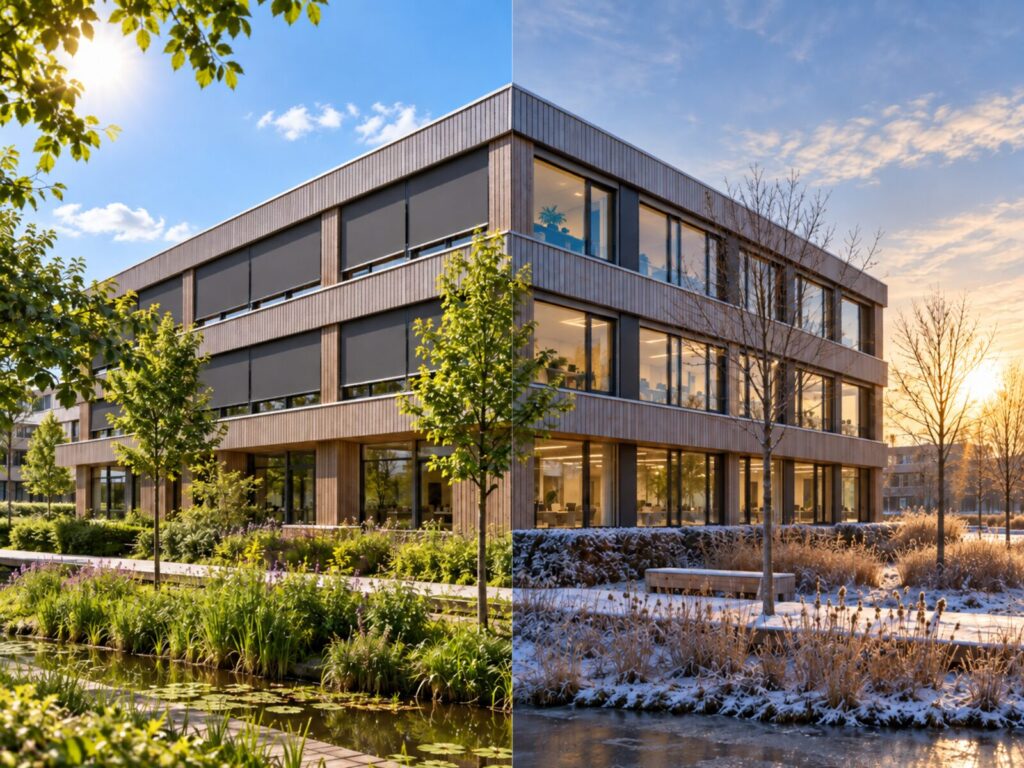
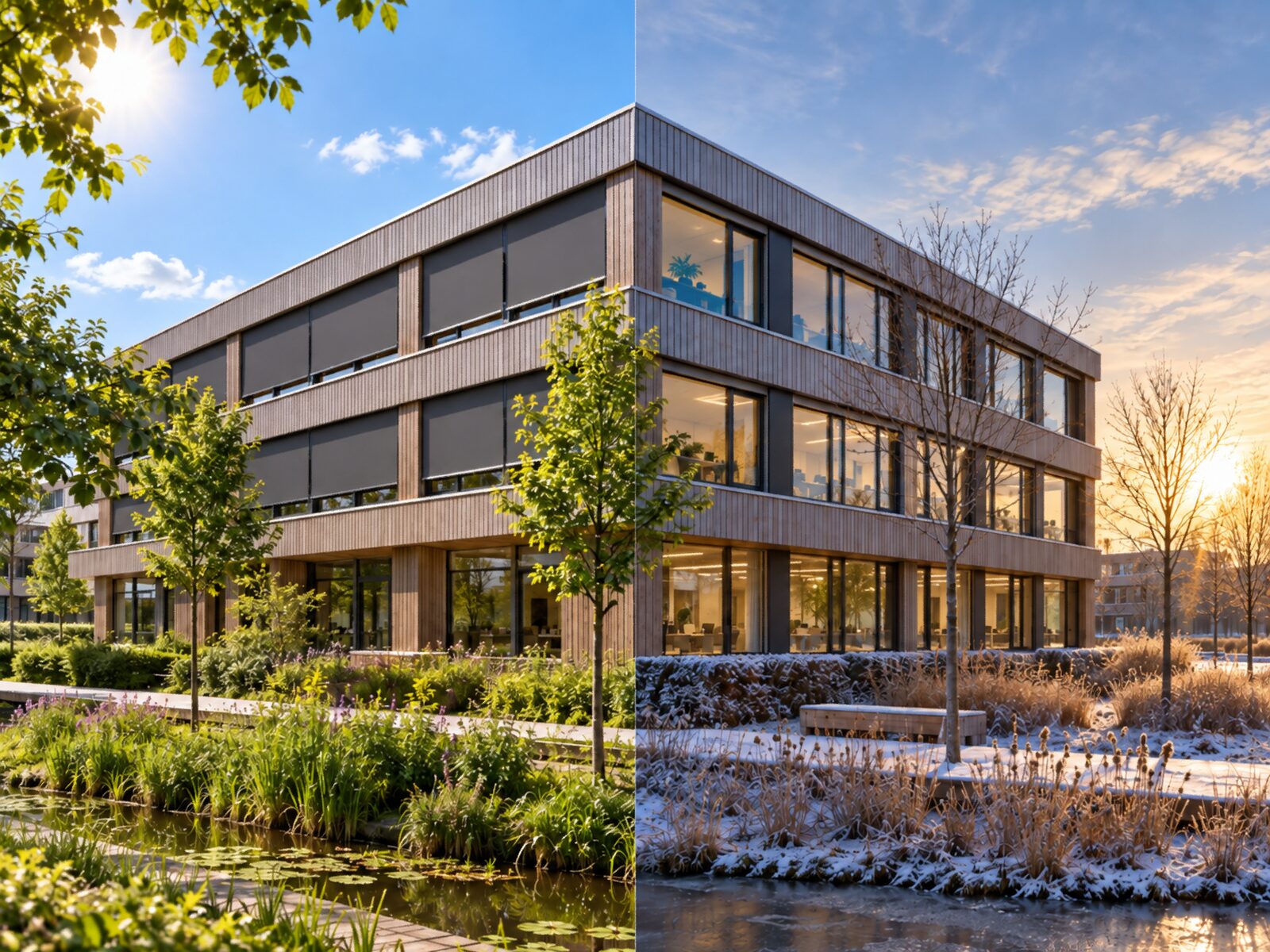
The sun is shining, and the shades are coming down. According to Driekleur-Besturingen, that simple rule is becoming less and less sufficient as window treatments become part of broader building automation. On a hot day, you want to keep the sun’s heat out, while on a cold day, it can actually help warm up the building.
This development takes on added significance due to the GACS requirements. As of January 1, 2026, existing commercial buildings with heating or air conditioning systems exceeding 290 kW must be equipped with a building automation and control system. Starting in 2030, that threshold will drop to 70 kW. The control of existing automatic sunshades also plays a role within this framework. “That’s interesting for our industry,” says Jethro van Veelen of Driekleur-Besturingen. “Of course, we’ve primarily used sunshades to keep heat out. Now the question is increasingly how to integrate those sunshades into a building’s overall climate strategy.”
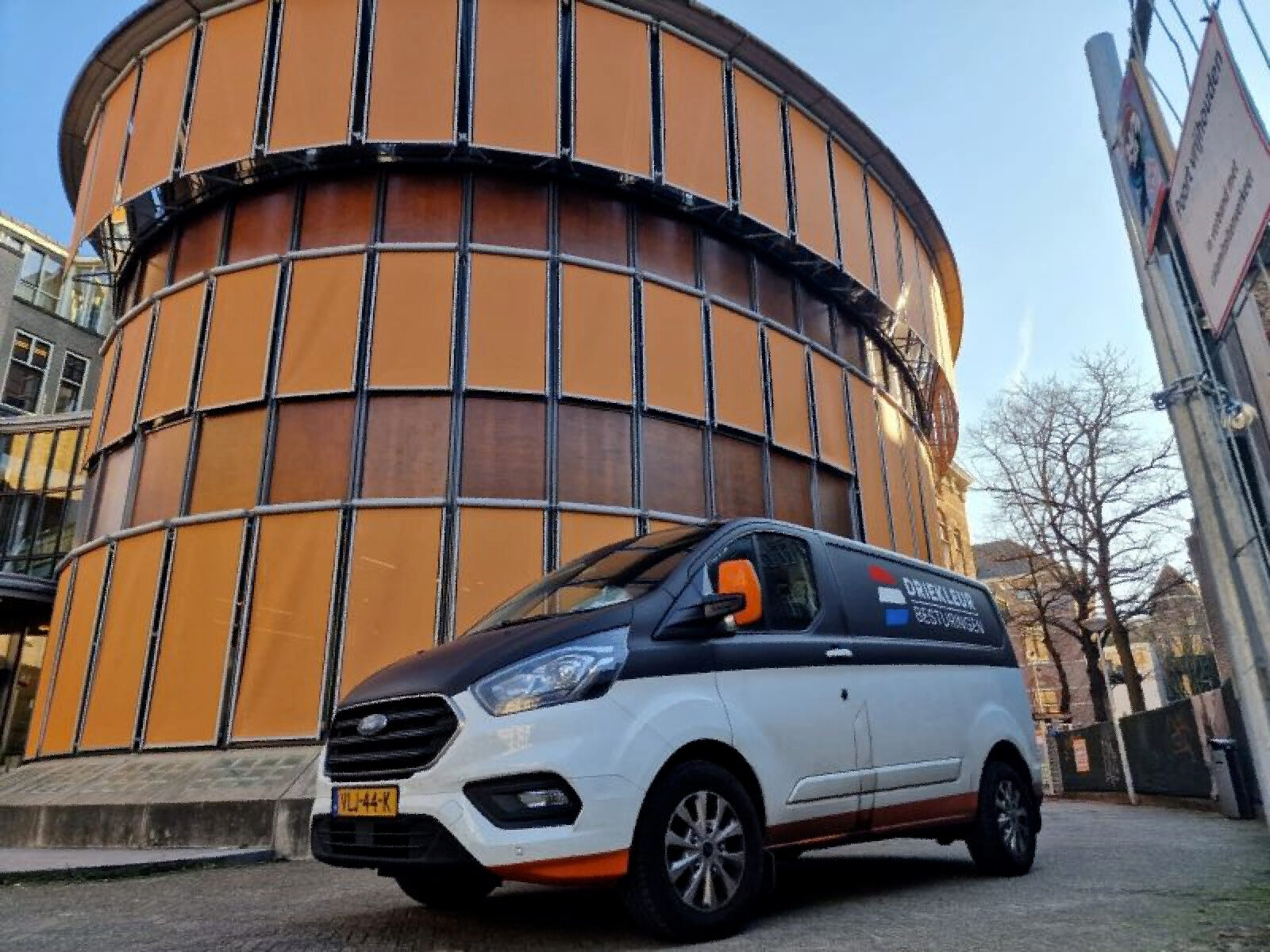
This calls for greater coordination between sun protection systems and other building systems. For example, a control system can receive information about the indoor temperature and the heating or cooling demand. This allows the control system to be adjusted based on what is happening elsewhere in the building. According to Van Veelen, simply connecting systems to each other is not enough. “You have to determine in advance what the sunshades should do with that information. Otherwise, you’ve created a technical connection without actually improving the building’s functionality.”
The benefit lies not only in greater automation, but above all in better control. A facade that actually needs heat on a sunny winter day requires a different response than that same facade on a hot summer day. Facade orientation, indoor temperature, and heating or cooling demand can also be factored in. In this way, sun protection becomes not just a standalone product, but an active component of building management. The existing constraints also remain in effect. Facade orientation, wind load, the type of sunshades, and the capabilities of the motors determine what is feasible in practice.
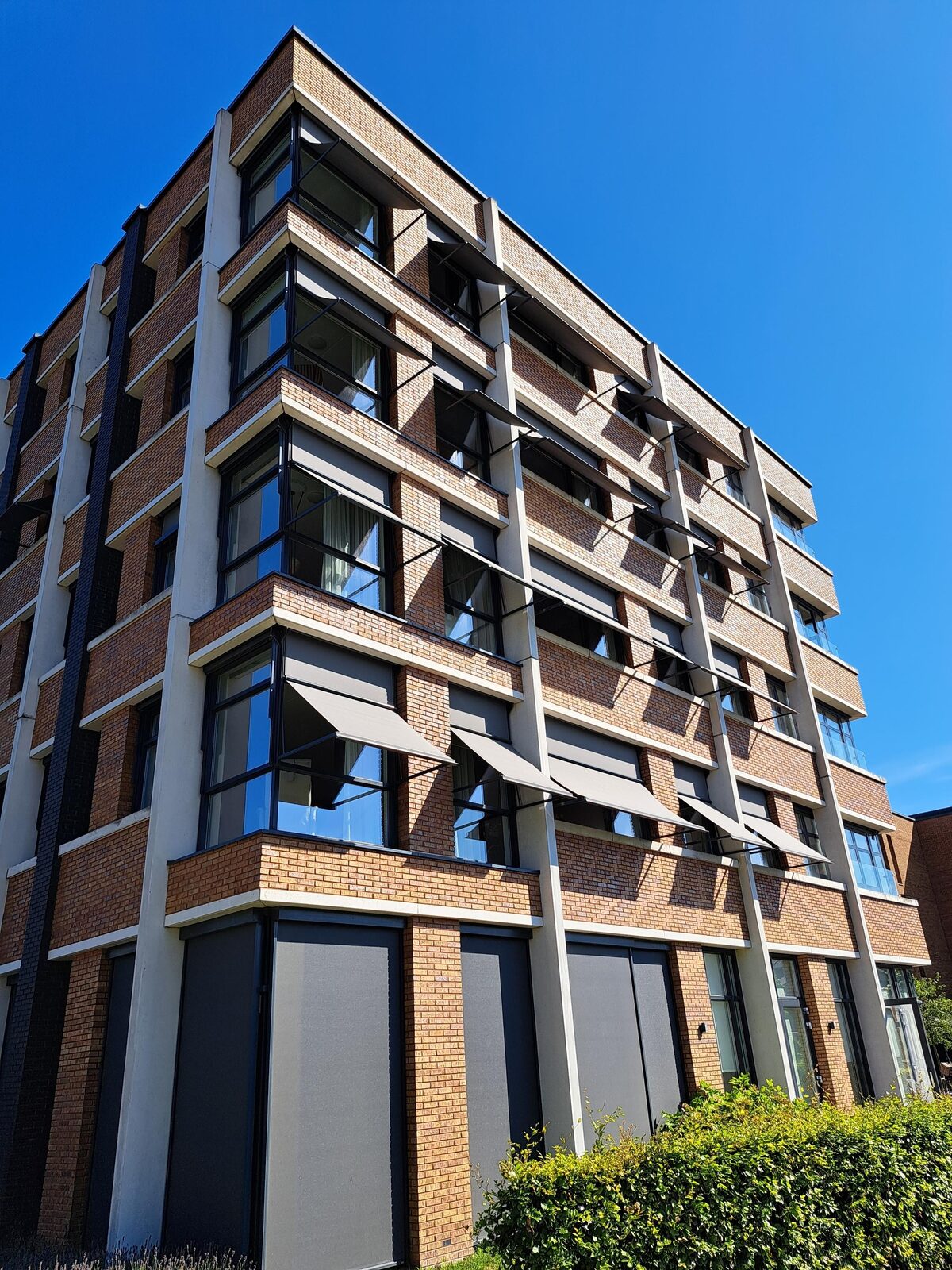
For existing buildings, a major challenge lies in what has changed over the years. Components have been replaced, groups have been modified, and settings have been changed—without these changes always being fully reflected in the documentation. “That’s why you first need to know what’s actually there,” says Van Veelen. “Which zone corresponds to which facade? Which sensors are being used, and how are the groups structured? With that overview, you can determine what’s needed to further automate the system.”
This also changes the role of the sun protection specialist. Building managers and installation contractors have expertise in climate control systems and energy consumption, while the sun protection specialist knows what the sun protection system can handle from a technical standpoint and how it can best be controlled. According to Driekleur-Besturingen, it is precisely this knowledge that needs to be brought together.
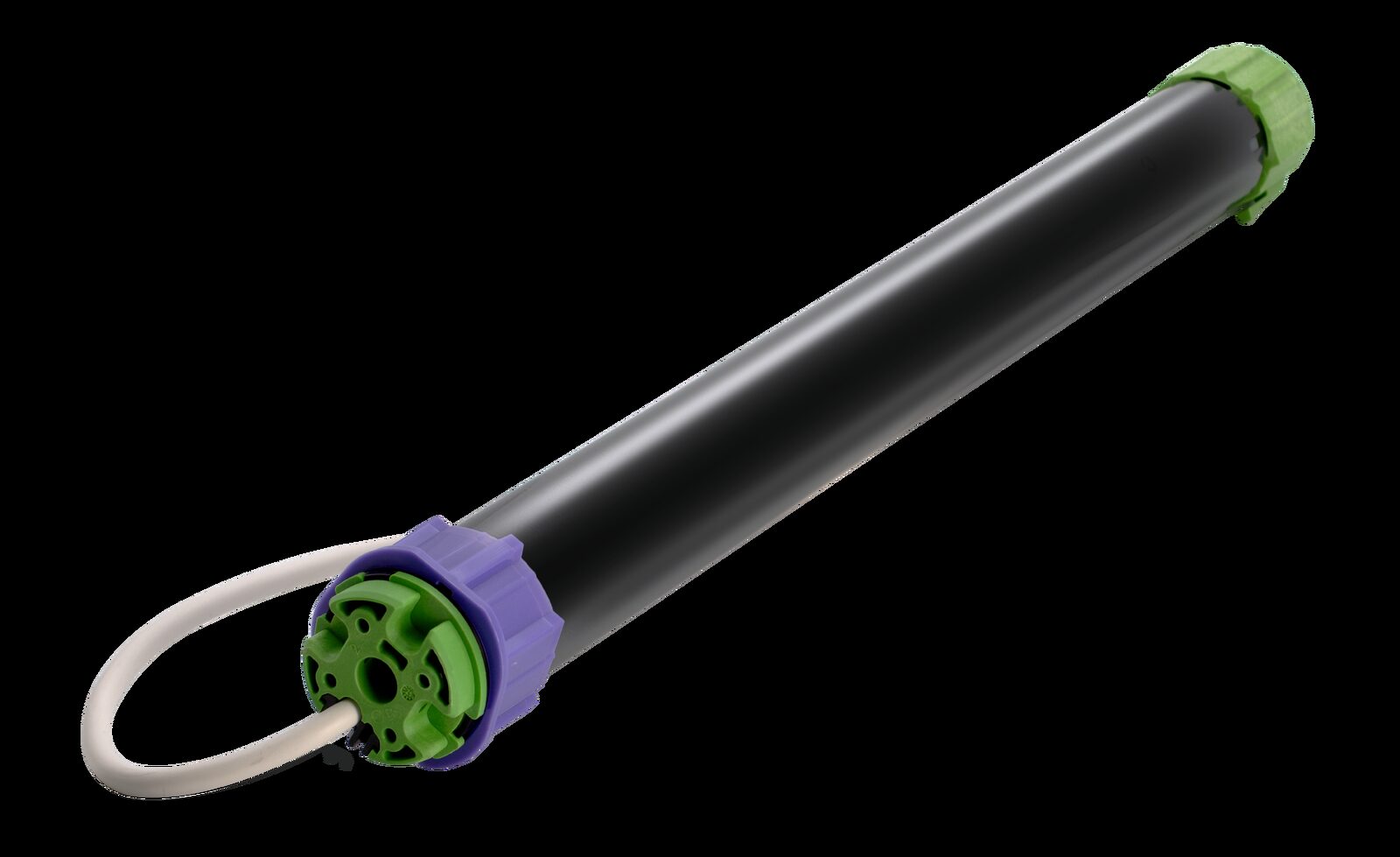
“We’ve been able to send a motor down for a long time,” Van Veelen concludes. “The next step is to ensure that this happens only when the building actually needs it.” Anyone interested in discussing this further or seeing real-world examples can visit Driekleur-Besturingen at the Zonwering Expo 2026.