zenronline.eu
EN

Platform on sun and daylight control, shutters, patio covers and closures

Glass walls are an important and growing product group within the shading industry. They not only fulfill an aesthetic and functional role, but also contribute to comfort, energy efficiency and a seamless transition between inside and outside. Thanks to continuous innovation in materials and systems, glass walls are now much more than just transparent partitions: they have become fully-fledged building components with clear added value for both the user and the architecture.
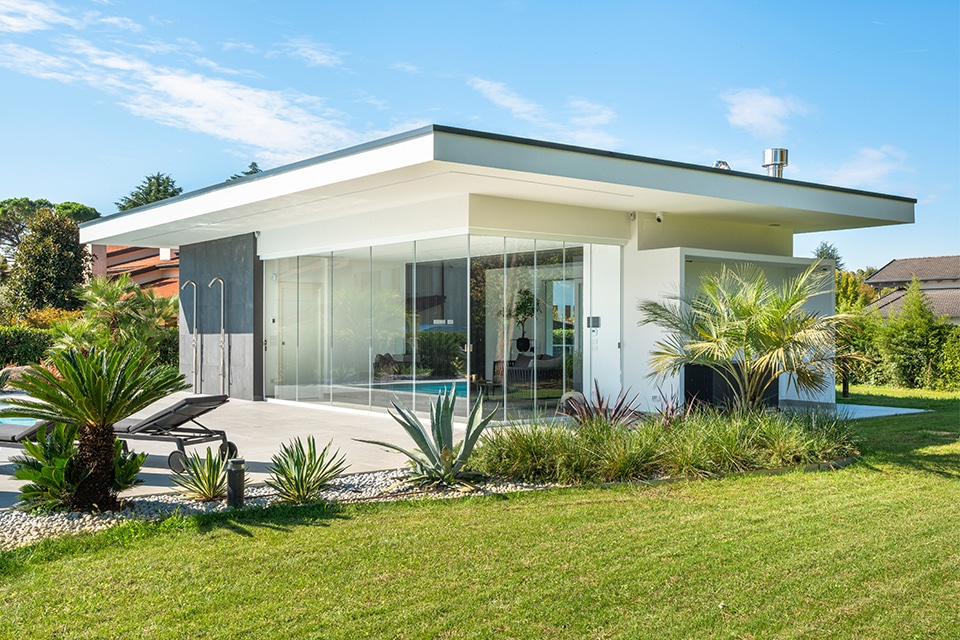
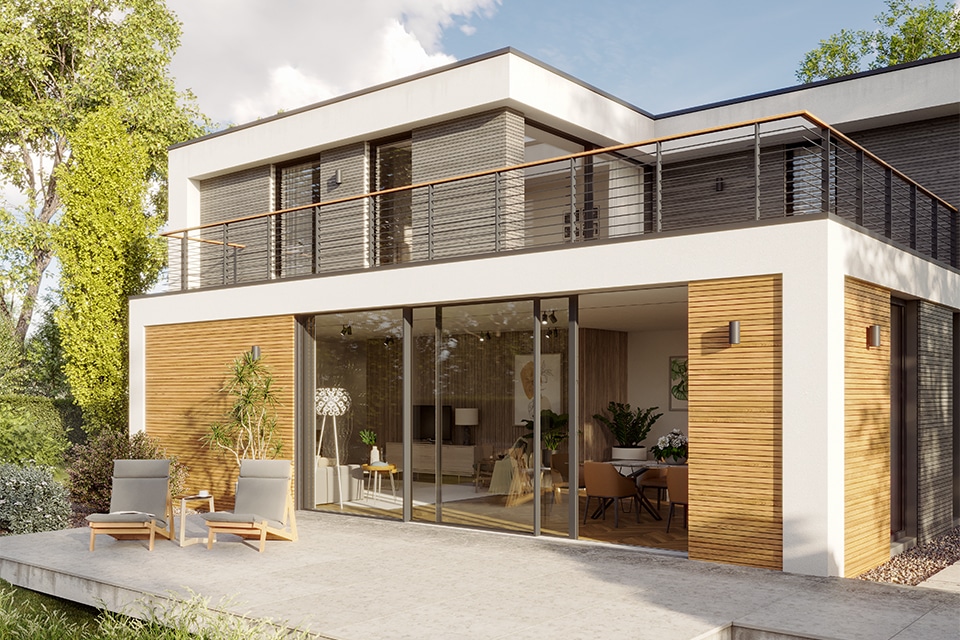
The applications of glass walls are diverse. In the private sector, they are widely used as partitions for conservatories, verandas and terraces, while in commercial construction, on the other hand, they are used as flexible partitions in offices, catering establishments or store fronts. Modern glass sliding, folding and sliding-door systems can create both open and closed spaces, depending on the need for shelter, ventilation or views.
What makes these systems so popular is the combination of transparency and flexibility. When closed, glass walls protect against wind, rain, noise and sometimes even burglary. When opened, they create an open connection to the outdoors. This makes them ideal for users who want to enjoy their living environment all year round.

The choice of materials and glass types has expanded greatly in recent years. Glass walls are available in systems of aluminum, wood or combinations thereof. Depending on the situation, single glass or laminated glass with specific properties is chosen. For example, there are variants that repel heat, reduce noise or even offer increased burglary resistance.
Especially the demand for thermal and acoustic performance is increasing. In densely built-up environments or when used in restaurants and offices, noise reduction is crucial. Innovative glass combinations - such as multilayer glazing with acoustic films - make it possible to achieve high sound insulation even with large glass surfaces.

Technological innovations are making glass walls increasingly sleek and elegant. Improved profile systems have minimized sightlines, resulting in a sleek and modern appearance. Systems that can be curved or angled are also increasingly being developed, opening up new possibilities for architectural design and custom solutions.
Another important innovation is the integration of shading and ventilation. Some systems are equipped with self-regulating ventilation slots or can be combined with integrated screens or louvers. This creates a total solution where light, air and temperature can be optimally controlled, without compromising the view outside.

With the growing importance of sustainable construction and the pursuit of multifunctional outdoor spaces, the role of glass walls within the shading industry will only increase. They offer the perfect balance between protection and openness, between comfort and aesthetics. Thanks to continuous innovations in glass, profiles and operating systems, they continue to adapt to the needs of architects, end users and the requirements of modern construction projects.