zenronline.eu
EN

Platform on sun and daylight control, shutters, patio covers and closures
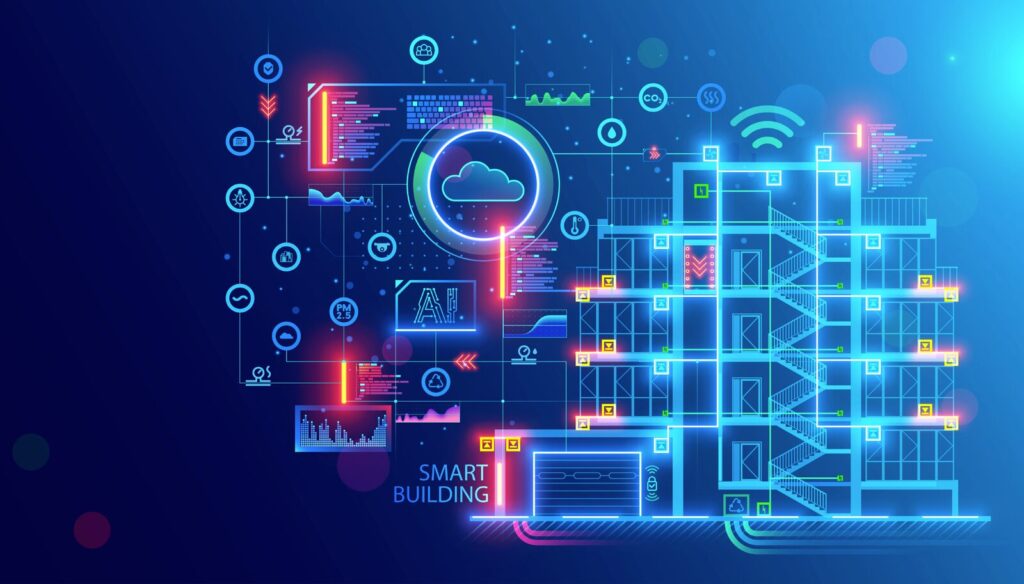
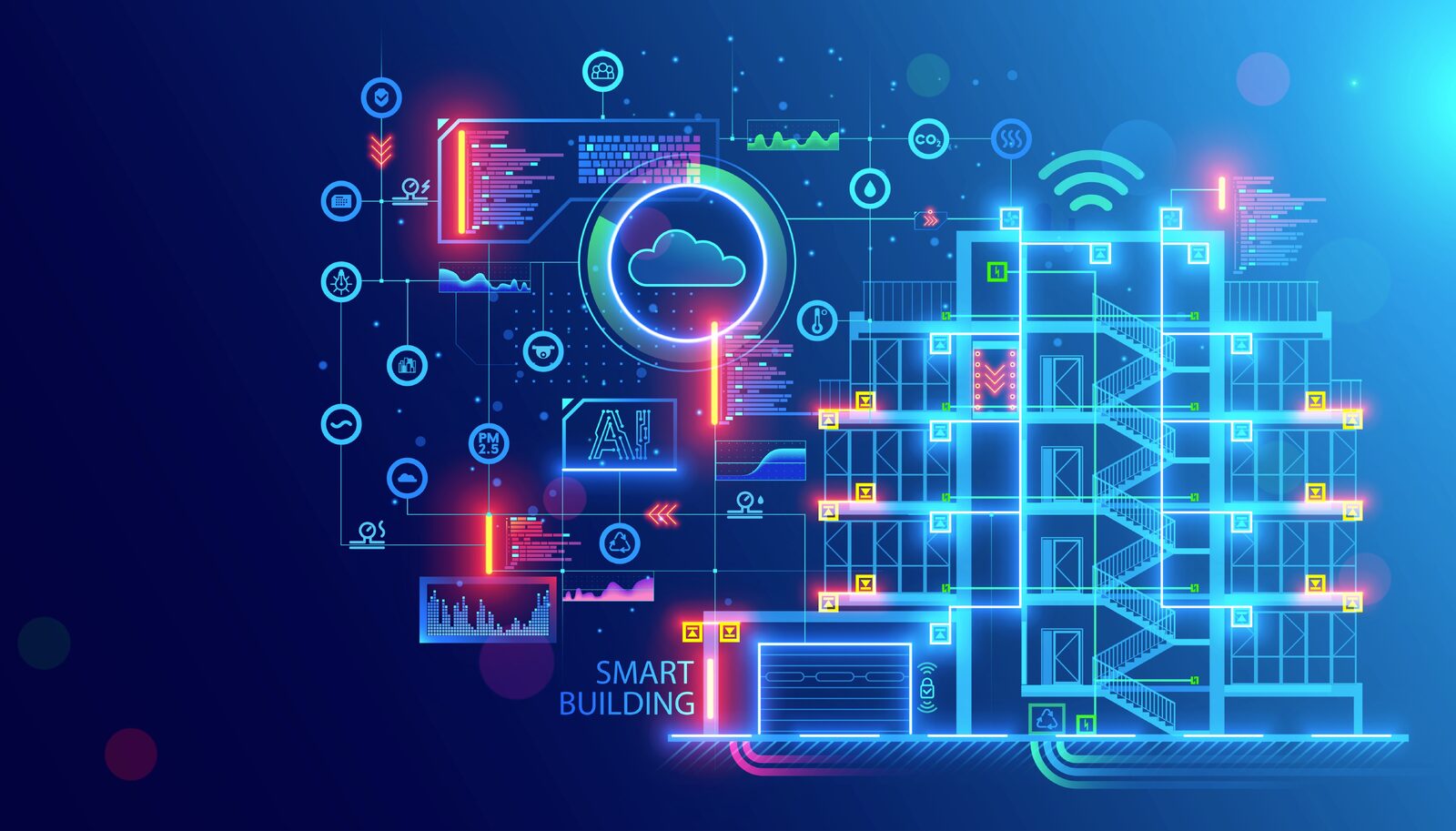
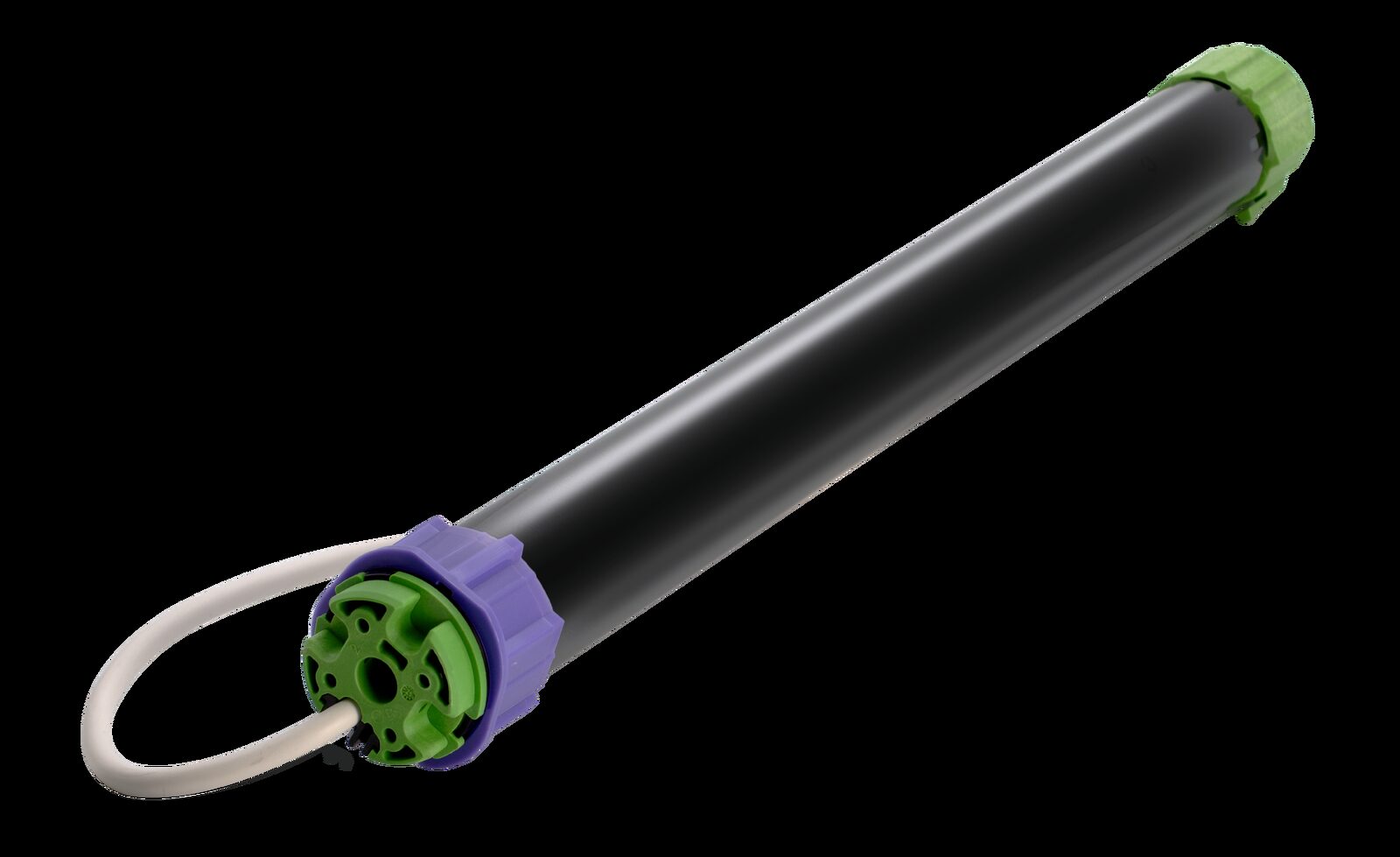
With Smart Building, BREL is actively seeking to integrate with building technology. Motors, sensors, and central control systems are linked to the building management system. This also shifts BREL’s role: from simply supplying drives to contributing ideas about sun protection within the overall project.
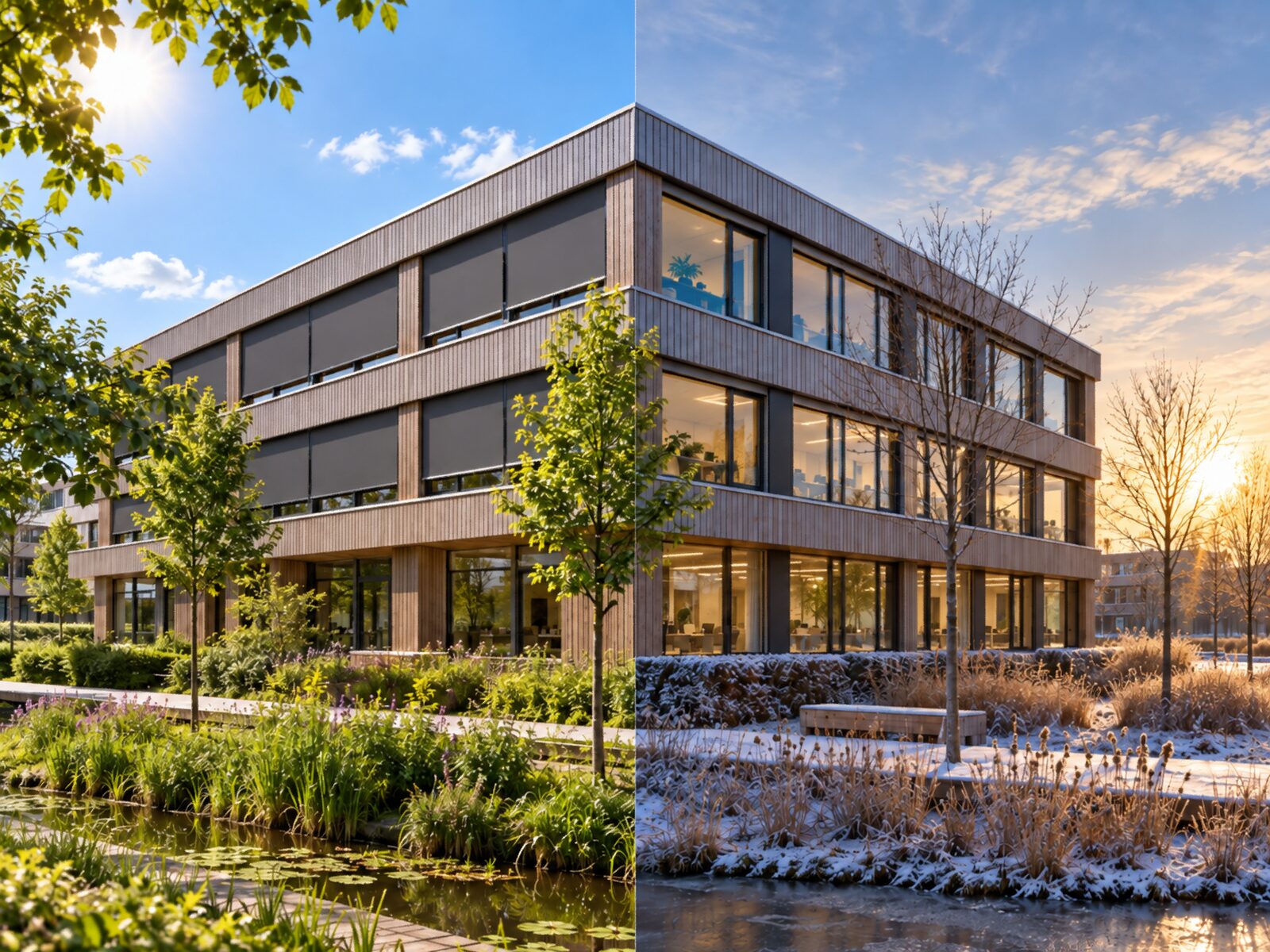
Timo Burlet recently joined BREL as Project Manager for BREL Smart Building, a role that allows BREL to focus more explicitly on larger projects. His assignment is part of a broader shift within the company. “Sun protection is often seen as something you use to solve a problem after the fact. We, on the other hand, want to get involved much earlier in the process and take a proactive approach.”
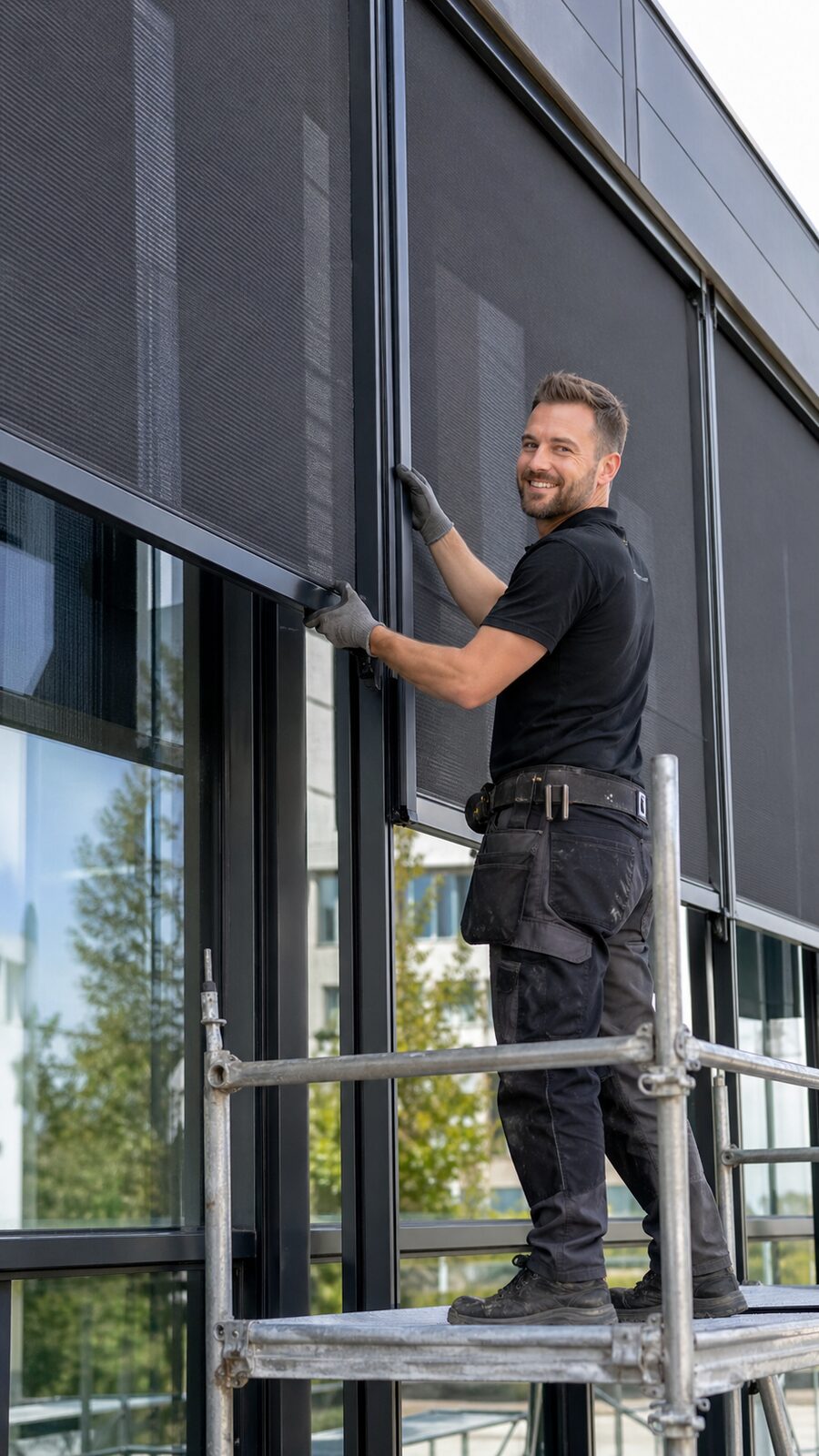
In practice, this involves, among other things, how the sunshades within a building are controlled. Instead of operating individual motors, the control system can be integrated with the building management system. This allows motors to be controlled, for example, by floor or by section of the building. Sensors enable automatic control.
BREL therefore wants to be involved in planning the necessary drive and control systems right from the preparation phase. “If you’re at the beginning of the process, you can do a lot of preparatory work together with the building management system,” says Burlet. “Then you don’t have to go back and fix all sorts of issues later on.” This means taking on a different role in the construction process. Sunshading isn’t something that comes into the picture only after many technical decisions have already been made. By incorporating the control system earlier, it can be directly integrated with the rest of the building’s technical systems.

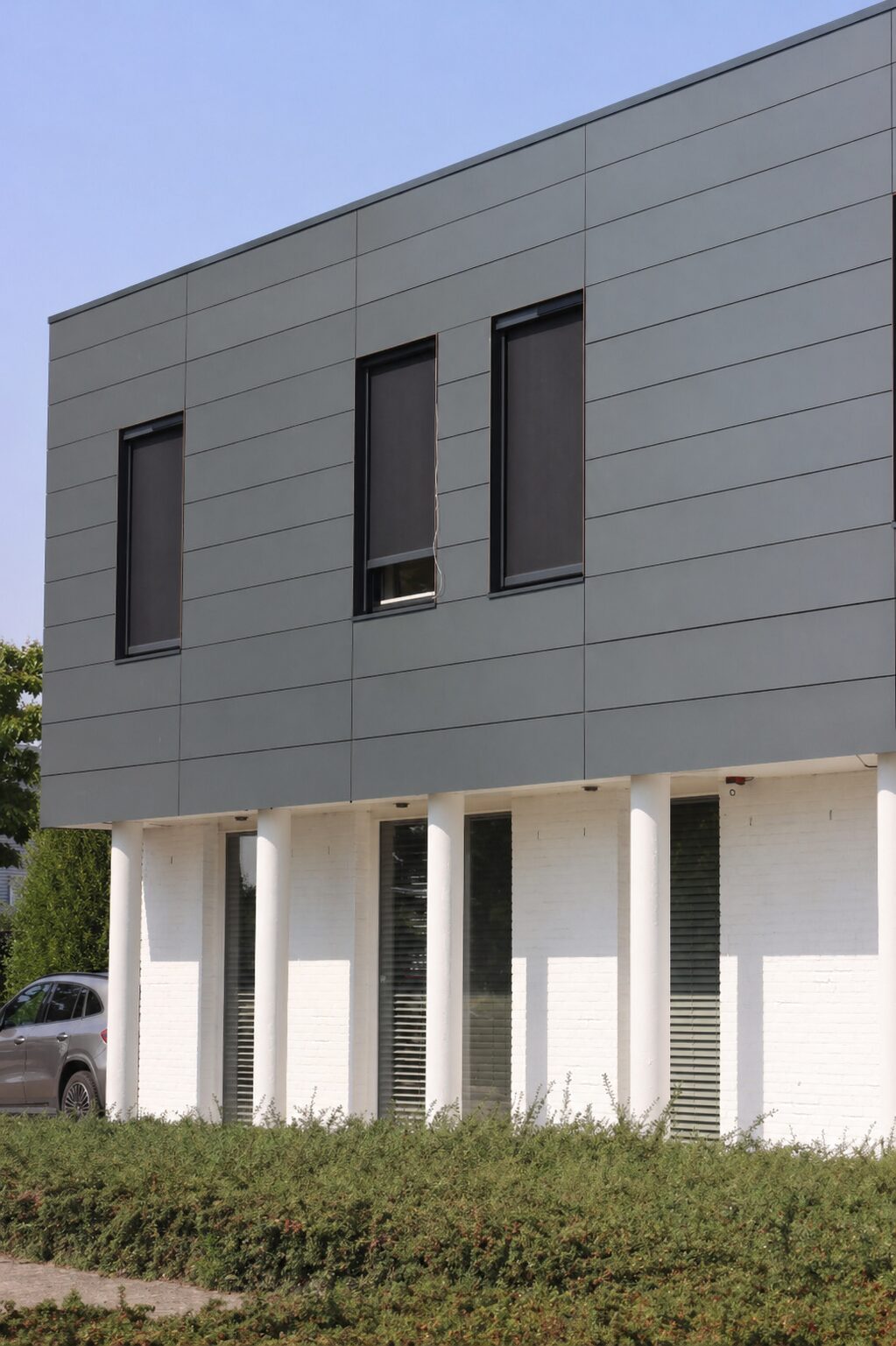
A second point is the power supply for the motors. Many project-based sunshades are still wired, while BREL supplies both 230V and solar-powered motors. According to Burlet, the latter are particularly interesting for renovation projects. “When renovating, you don’t always want to run new cables through a building,” he explains. With solar power, the motor doesn’t need a power cable. That can make installing motorized sun protection in existing buildings a lot easier. In new construction, on the other hand, 230V can be included in the installation plan from the very beginning. “We’re really targeting a different market with this.”