zenronline.eu
EN

Platform on sun and daylight control, shutters, patio covers and closures

On March 21, 2026, the fourth edition of Global Shading Day will take place. Under the theme Shading Makes a Difference, the European Solar Shading Organization (ES-SO) aims to alert the general public, policymakers and building professionals to the increasingly important role of shading in a warming climate.
With longer and hotter summers, homes, workplaces and public buildings are increasingly experiencing overheating. Rising indoor temperatures have a direct impact on health, sleep quality, learning performance and productivity. At the same time, the use of air conditioning increases, leading to higher energy consumption and additional emissions.
According to ES-SO, it is time to reverse that trend by focusing more heavily on preventive solutions. Solar shading plays a key role in this.
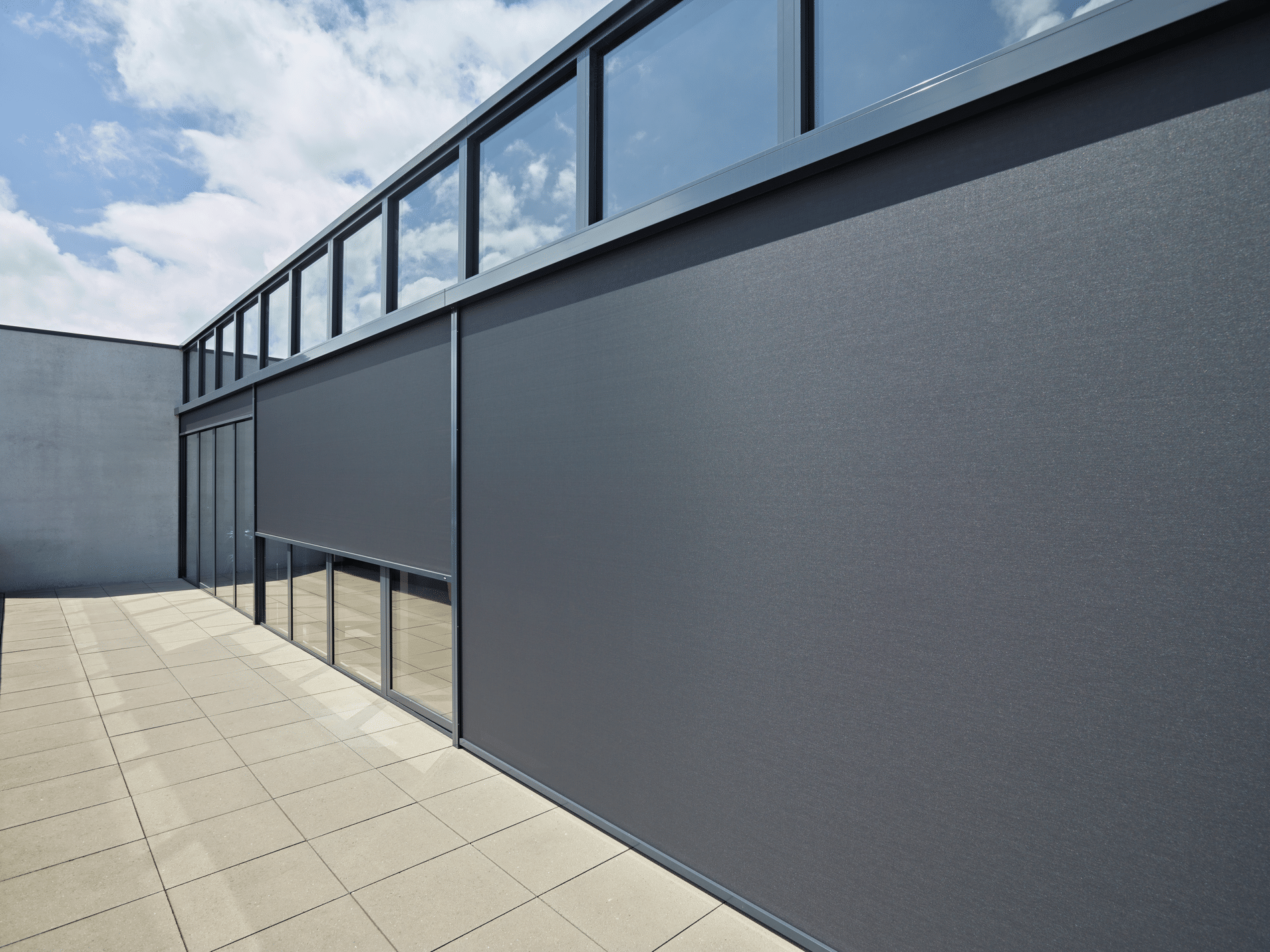
Dynamic solar shading prevents solar heat from entering the building and thus helps to maintain pleasant indoor temperatures. As a passive solution, it reduces dependence on energy-intensive cooling systems and contributes to energy efficiency and future-proof buildings.
“With the theme Shading Makes a Difference, we want to show that solar shading really does make a difference,” said Ann Van Eycken, secretary general of ES-SO. “Not only for energy consumption, but also for people's daily comfort and health.”
Solar shading is not only relevant during hot summer months. They can also contribute to energy savings in winter. Leaving blinds open during the day makes optimal use of free solar heat. This contrasts with solar control glass, which also blocks much of the sun's heat in winter. At night, blinds help keep the accumulated heat inside.
Research shows that this can lead to energy savings of up to 15 percent in northern Europe, 17 percent in central Europe and as much as 41 percent in southern Europe.
“Because solar shading is dynamic and flexible, it can contribute to energy efficiency year-round,” Van Eycken said. “Both in summer and winter, it makes a difference.”
According to a Nov. 5, 2021 Guidehouse study, smart shading could reduce energy consumption for space cooling in European buildings by up to 60 percent by 2050. This corresponds to potential savings of 100 million tons of carbon emissions and 285 billion euros.